





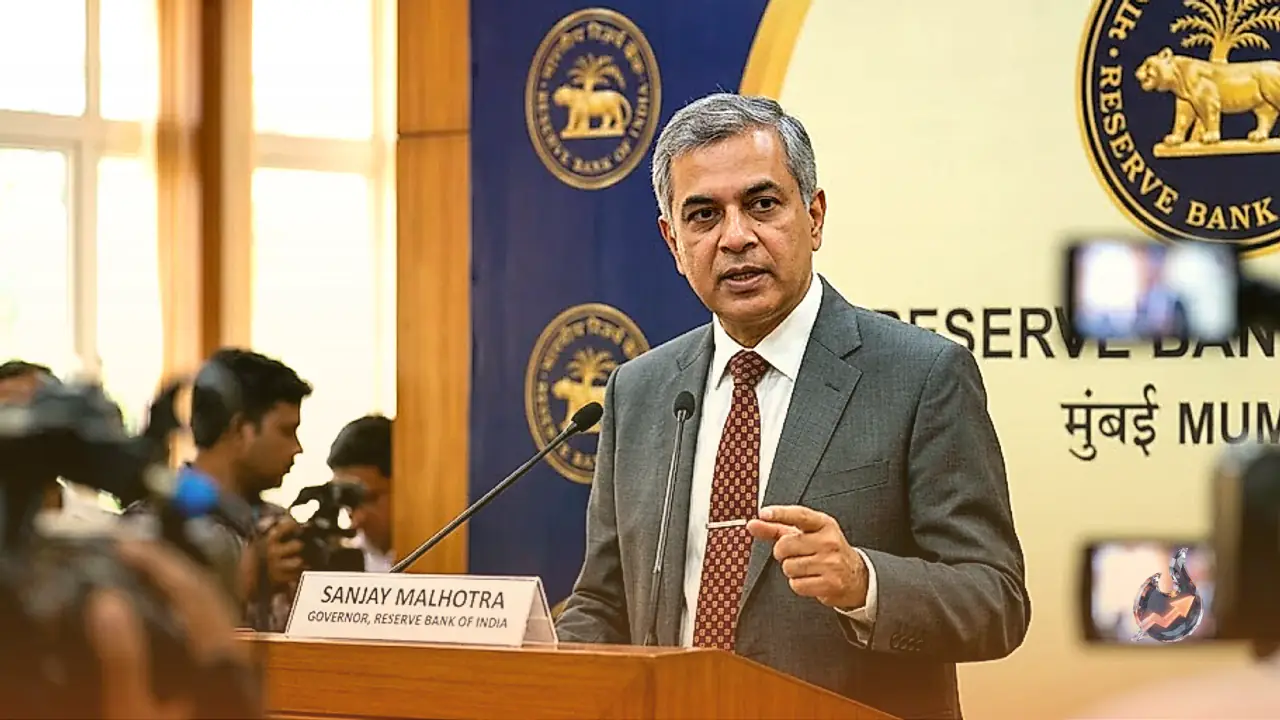

















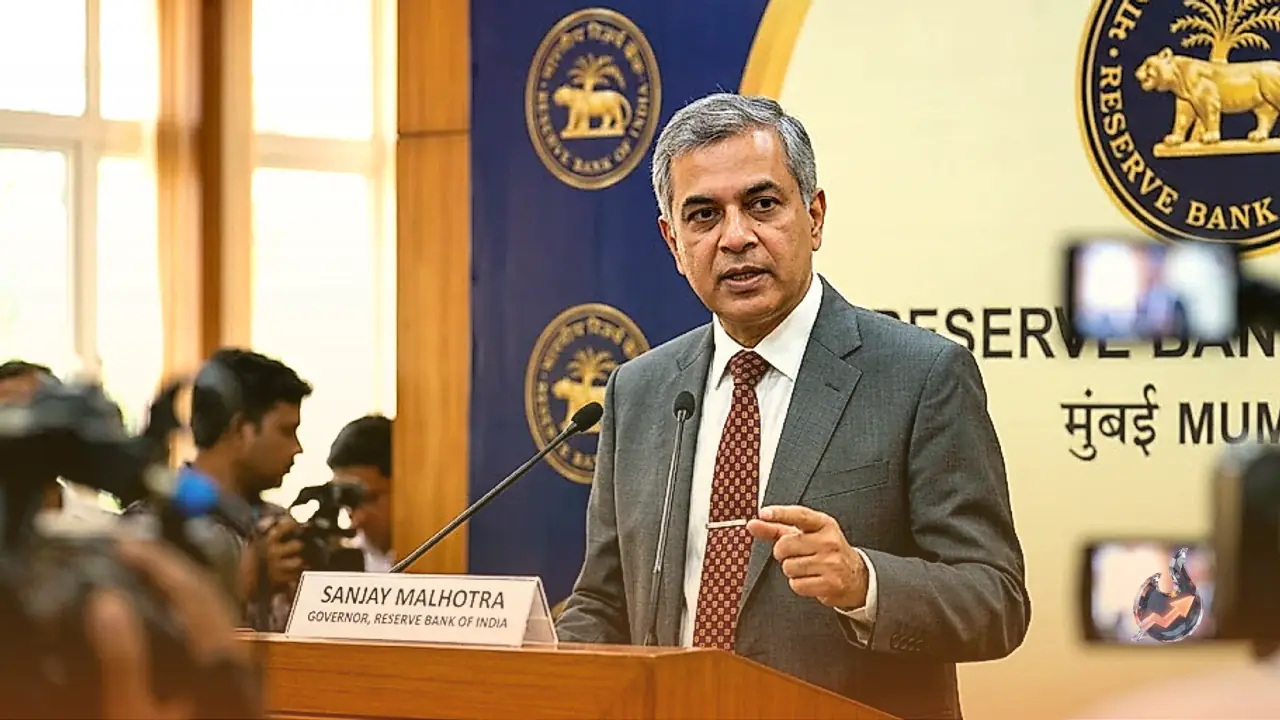

Maintaining a firm watch over the financial stability of the country, the Reserve Bank of India has reasserted its guarded approach toward cryptocurrencies while actively fostering the underlying innovations that power modern fintech. The central bank continues to endorse foundational frameworks, including distributed ledger systems and digital tokenization architectures. Addressing these policy dynamics on Saturday, Reserve Bank Governor Sanjay Malhotra explained that fostering innovation must never compromise macroeconomic stability or the monetary sovereignty of the nation.
Balancing Technological Innovation with Sovereign Monetary Caution
Governor Sanjay Malhotra underscored that India welcomes innovation across the technologies embedded within crypto assets. Distributed ledger technology and comprehensive tokenization systems offer clear operational value. Nevertheless, cryptocurrencies themselves introduce profound regulatory and systemic anxieties, particularly around monetary policy efficacy, macroeconomic governance, and cross-border capital management. Consequently, the regulator continues to enforce a measured and vigilant stance regarding virtual tokens.
How Distributed Ledgers and Token Systems Function
Breaking down the underlying technical mechanics, distributed ledger technology operates as a decentralized digital architecture where transaction ledgers and operational records are not stored on any singular central node. Instead, the entries are shared, validated, and replicated across an extensive network of interconnected computing terminals. Meanwhile, tokenization serves as a specialized data protection and asset representation process. It securely converts actual property ownership rights or sensitive customer financial information, such as credit card or debit card credentials, into a protected digital token or secure alphanumeric code.
Deploying Foundational Systems Across Institutional Operations
Highlighting the central bank's operational philosophy, Sanjay Malhotra said, "Our approach has been to encourage the underlying technology and we are using some of these within the central bank and externally under public-private partnerships (PPP). But as far as crypto is concerned, we have taken a cautious approach." This dual strategy ensures that institutional efficiency improves through technological deployment without exposing the broader retail public or payment infrastructure to speculative crypto assets.
Domestic Payments Remain Fast, Economical and Accessible
Addressing the core justifications frequently presented by crypto advocates, the Governor noted that uncontrolled virtual assets threaten the uniformity of currency, creating discrepancies in the singular valuation of sovereign money while complicating monetary governance. These risks hit hardest in emerging market economies operating with regulated capital flows. Malhotra said, "The problem that is being tried to be solved is not primarily related to domestic payments, because domestic payments in our country and many other countries are now quite fast, cheap and convenient."
Cross-Border Remittance Hurdles and Rising Global Public Debt
According to the Governor, the truly formidable bottleneck in global finance remains cross-border remittances and international settlement friction. To address cross-border challenges, alternatives including sovereign Central Bank Digital Currency (CBDC) architectures and complementary multi-lateral payment mechanisms are actively being assessed. Turning to macroeconomic pressures across international capital markets, Malhotra discussed climbing sovereign debt volumes and elevated government bond yields. He noted that bond yields adjust purely based on demand and supply dynamics. Capital expenditures have surged across both public sectors and private corporations, fueled significantly by extensive investments in AI capabilities.
Sanjay Malhotra said, "Money is limited, spending has increased. Spending by the government as well as private companies has increased, in which AI has played a role. This is causing bond yields and debt to rise."
Monetary Policy Prioritizes Domestic Economic Growth and Inflation
Concluding his remarks on the central bank's policy direction, the Governor reaffirmed that domestic expansion targets and local price stabilization remain the core anchors of India's monetary policy. While shifts in benchmark interest rates worldwide inevitably transmit into domestic real borrowing rates, domestic conditions will steer monetary actions. Sanjay Malhotra said, "This is something we have to keep in mind." The central bank will monitor cross-border financial spillovers closely while keeping local economic vitality firmly in focus.