





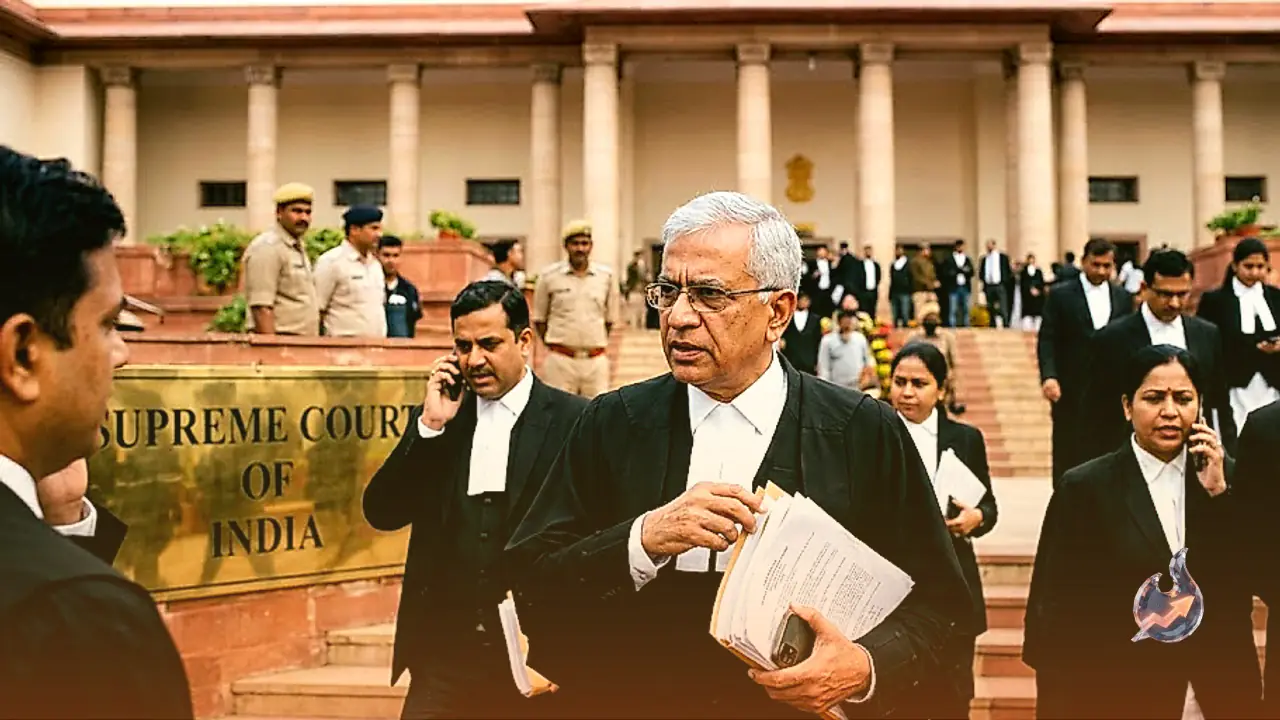














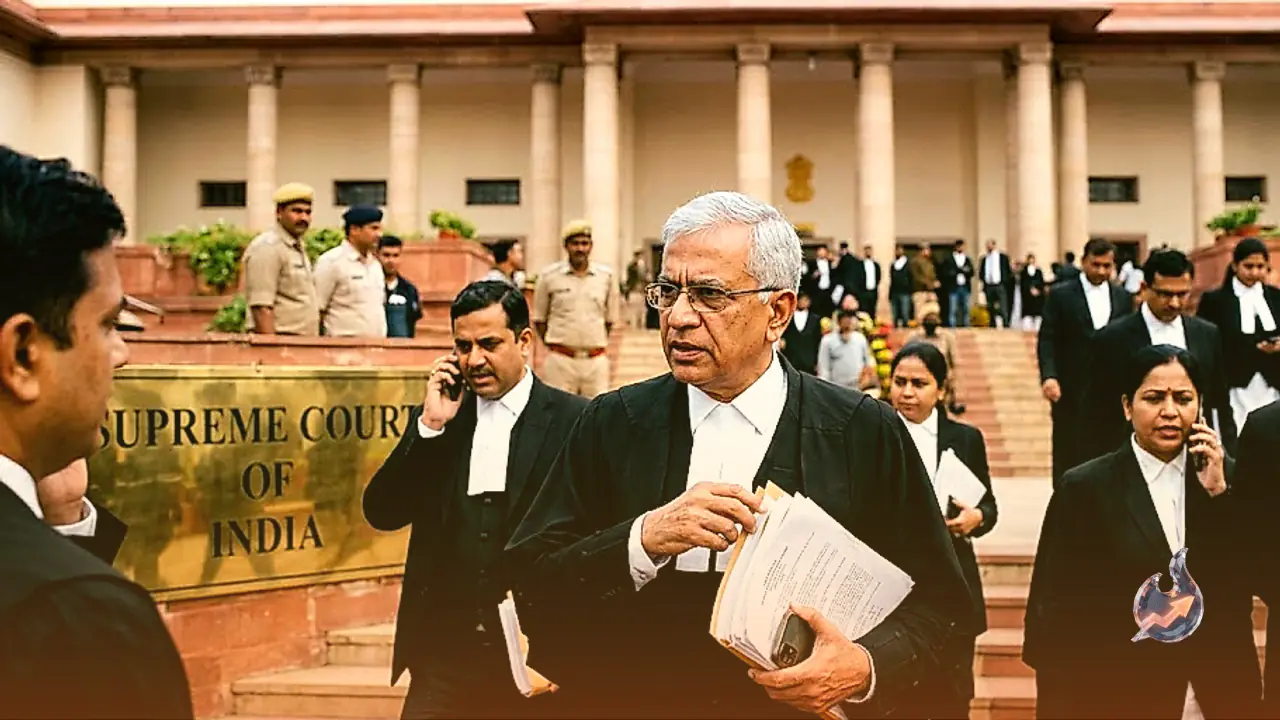

The Supreme Court of India has declined to put an interim hold on the government's plan to levy a Merchant Discount Rate (MDR) on UPI transactions exceeding Rs 2000. However, the top court has decided to examine the legal validity of the decision, issuing formal notices to the central government, the Reserve Bank of India (RBI), the National Payments Corporation of India (NPCI), and the UPI Steering Committee. These entities have been given a period of four weeks to submit their official responses to the court. The decision marks a significant development in India's digital payments landscape, as the upcoming framework could alter the economics of digital transactions for businesses across the country.
The Legal Challenge Against MDR
The judicial intervention comes after a petition was filed by advocate Anjan Datta. The plea specifically seeks the cancellation of the official notification issued on December 14, alongside the comprehensive MDR framework introduced on September 15. The petitioner argues that the decision to levy this charge lacks a solid legal foundation and has been implemented without adequate statutory backing. The legal challenge focuses on whether the government has the authority to introduce such financial frameworks without passing dedicated legislation.
During the proceedings, a bench led by Chief Justice Surya Kant raised critical questions regarding the nature of the levy. The court has asked the central government to clarify whether the MDR collected on high-value transactions should be classified as a service fee, a tax, or another category of charge altogether. By asking the government to define the exact nature of the MDR, the bench of Chief Justice Surya Kant is seeking to understand the statutory authority behind the decision before passing any final judgment.
Understanding the New MDR Rules
Under the newly approved framework, the central government has authorized an MDR of 0.4 percent on UPI transactions of more than Rs 2000 made to merchants. The policy makes it clear that smaller transactions will remain entirely unaffected, ensuring that all merchant transactions up to Rs 2000 continue to be completely free of cost. This new system seeks to balance the rapid expansion of digital payments with the financial sustainability of the banks and payment platforms that maintain the network.
Furthermore, normal peer-to-peer (P2P) transactions, which occur directly between the bank accounts of two individuals, will also remain exempt from any fees. The government has recently clarified that MDR is not a tax. Instead, it is structured as a fee that will be shared between banks and UPI service provider platforms to support the digital payment infrastructure. The implementation of this new charging mechanism is scheduled to take effect from October 15.
Government Stand on Digital Payment Infrastructure
The rationale behind introducing the transaction fee was previously addressed by Union Finance Minister Nirmala Sitharaman in August. The minister emphasized that the MDR would not place any financial burden on everyday consumers, as it is strictly applicable to merchants. The revenue generated from these fees is intended to help banks and fintech companies invest in upgrading technology infrastructure and enhancing security protocols for the UPI network.
The upcoming transition on October 15 will serve as a test for the fintech ecosystem. Financial institutions have argued that maintaining the vast UPI network requires significant ongoing investment. By utilizing the MDR to fund infrastructure and security upgrades, the government and financial bodies hope to make the ecosystem more robust against cyber threats and transaction failures, even as transaction volumes continue to hit record highs every month.