




















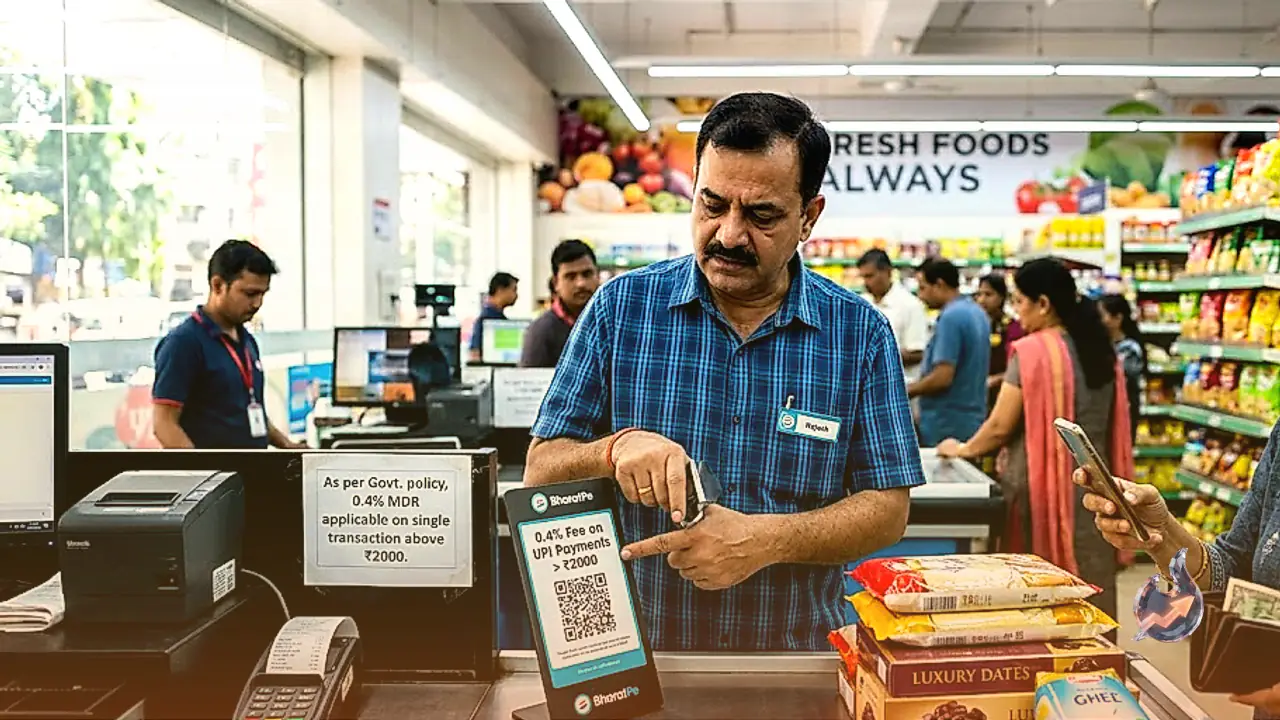

The central government has adopted an unyielding stance on implementing a 0.4 percent merchant discount rate, known as MDR, on all UPI merchant transactions exceeding ₹2,000. Despite sustained protests from retail trade bodies, shopkeepers, and political opposition parties, authorities have confirmed that the policy decision will neither be reconsidered nor withdrawn. The administration maintains that this revenue model is critical to ensuring the structural independence and financial health of the nation's digital payment architecture.
Official Position Stands Firm Against Opposition Claims
Addressing inquiries on Wednesday regarding whether the planned levy on merchant transactions above ₹2,000 might be rescinded, a top government official delivered a decisive negative response. The official explained that the strategy serves the wider long-term interests of the entire UPI ecosystem and leaves no scope for alteration. Addressing political accusations, particularly from the Congress alleging external pressure from the United States, authorities dismissed the claims, affirming that the framework will make UPI domestically reliant, financially resilient, and technologically robust.
Parliamentary Panel Warnings Over Subsidy Strains
The Parliamentary Standing Committee on Finance highlighted severe fiscal constraints in its 32nd report regarding the zero-MDR regime. According to the committee, maintaining zero charges across all transactions required the central exchequer to disburse approximately ₹2,000 crore in annual budgetary subsidies. The legislative panel argued that perpetual reliance on government funds was unsustainable, urging the creation of a durable commercial framework to safeguard the long-term operational viability of digital payments across the country.
Safeguards for Consumers and Retail Buyers
While this revision breaks away from six consecutive years of completely cost-free UPI operations, strict protections remain in place for individual users and small-scale vendors. The Finance Ministry clarified that merchant discount charges must be borne exclusively by merchants rather than retail customers. Regular consumers will not face monthly limits or transaction quotas. Furthermore, peer-to-peer transfers between individuals and small merchant purchases up to ₹2,000 remain entirely exempt from any levy. Funds generated through the new framework will be directed towards digital infrastructure expansion and cybersecurity enhancements in rural and semi-urban territories.