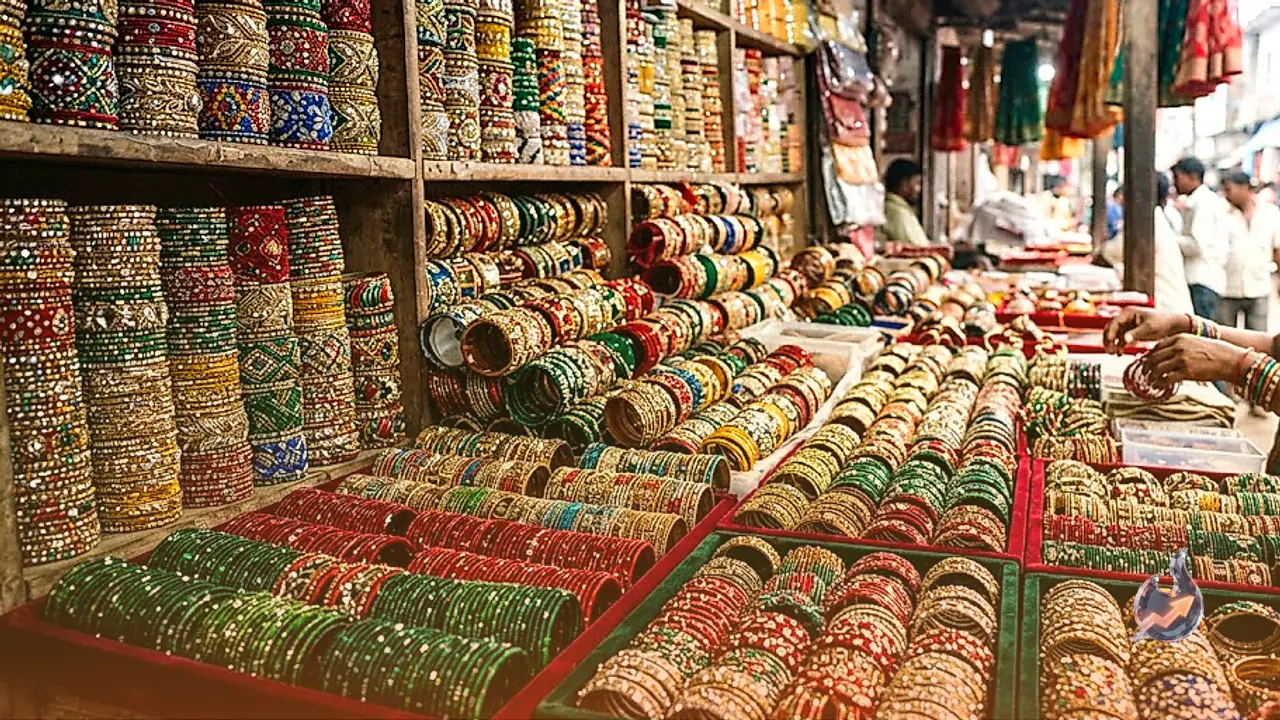























Widespread social and political unrest unfolding nearly 6,000 kilometers away in key Western European nations is sending shockwaves through India's manufacturing and export hubs. Countries including France, Italy, Spain, and Portugal are experiencing intense street protests and civil disruptions, forcing commercial markets into shutdowns and locking up retail centers. This economic turbulence coincides with the most critical phase of the annual trading calendar for Indian exporters, who depend heavily on the final months of the year to ship massive volumes of goods for the festive Christmas season. Manufacturing clusters in cities such as Noida are facing severe anxiety as months of preparation, raw material investment, and round-the-clock factory labor now hang in the balance. The crisis has hit exporters of furniture, home furnishings, handicrafts, and handloom items particularly hard, threatening expected revenue streams.
A 30 to 40 Percent Order Drop and Rising Operational Expenses
The month of October serves as the bedrock of India's export cycle. During this period, the country hosts major international trade expos, attracting top buyers from North America and Europe who arrive to review product catalogues and sign high-value procurement contracts for the winter holiday season. However, the escalating disruption across European capitals has severely dampened overseas participation this year. Business operators running export houses in Noida report that order volumes for Christmas shipments have dropped by roughly 30 to 40 percent compared to standard seasonal benchmarks. The volume of firm purchase orders registered so far remains significantly lower than historical averages.
Compounding this reduction in buyer demand is a sharp rise in logistical and production expenditures. Exporters are caught in a financial vise, squeezed between shrinking foreign demand and escalating operational overheads. Global freight fees and shipping container charges have escalated substantially due to supply chain realignments. Domestically, higher costs for raw materials and domestic transit have compressed profit margins to minimal levels. While international buyers are pressing for lower price points, the total expenditure required to manufacture goods in India and transport them overseas continues to surge, making baseline operations financially precarious for many export firms.
The Critical Role of Christmas Trade and the ₹92,000 Crore Industry Standard
The Christmas and New Year shopping season represents the largest annual consumption period across Western retail markets, characterized by high demand for residential decor, new furniture collections, apparel, and specialized handicraft items. Western retail conglomerates typically place bulk orders with Indian suppliers months in advance to ensure merchandise arrives at foreign ports well ahead of holiday shopping surges. During the previous fiscal year 2025-26, India's home furnishing sector alone achieved an export output of approximately ₹92,000 crore, illustrating the sector's vital importance to the broader national economy.
Despite this strong historical baseline, the atmosphere at this year's October trade fairs has been exceptionally muted. Industry representatives note that footfall from European purchasing managers has plummeted. The buyers who do attend are showing extreme caution, deferring major ordering commitments and reducing the overall volume of trade inquiries. This widespread hesitation leaves significant amounts of finished inventory at risk of remaining unsold in Indian warehouses.
US Tariff Ambiguity and the Threat to Industrial Employment
The challenges facing Indian exporters extend beyond the immediate crisis in Western Europe. Lingering uncertainty surrounding import duties and tariff structures in the United States, India's largest single-country export destination, had already introduced friction into trade channels. Concerns over potential tariff adjustments caused several American importers to delay or pause scheduled shipments earlier in the season. With European consumer demand now simultaneously stalling, Indian manufacturers are forced to navigate a difficult two-front market contraction.
If low demand across international markets persists through the coming months, the impact will directly affect factory floors across major Indian industrial clusters. Reduced order books necessitate scaling back manufacturing shifts, directly depressing company revenues. This downturn also threatens the livelihoods of thousands of skilled artisans, loom workers, and factory laborers who form the backbone of the handicraft and textile workforces. While the precise degree of impact will vary across different export niches, the total economic damage will depend on how many pending orders foreign buyers ultimately cancel or delay indefinitely.
Exporters Seek Financial Interventions and Market Expansion Support
Faced with mounting pressures, Indian export associations are calling on the Central Government to introduce targeted relief measures to safeguard the sector. Industry leaders emphasize that in previous years, government assistance programs, such as market development support schemes, helped exporters absorb the costs of exploring non-traditional foreign markets. These grants allowed smaller firms to set up stalls at overseas trade exhibitions, travel to international trade hubs, and forge direct relationships with new buyers.
In the current economic climate, the self-funded cost of establishing international trade links has grown prohibitively high. Exporters estimate that a single business representative requires an expenditure of approximately ₹5 lakh to ₹6 lakh to conduct international marketing visits and secure new client connections. With overall order volumes down by up to 40 percent, individual manufacturers find it increasingly difficult to absorb these costs independently. Furthermore, systemic delays in receiving payments from overseas buyers are locking up essential working capital. Exporters are requesting prompt policy interventions, renewed market development subsidies, and liquidity support to help the industry weather the global trade slowdown.