






















Artificial intelligence has stopped being just a shortcut for finishing homework faster, it is now shaping how people land and keep jobs. From breaking down a tough chapter in minutes to spotting a bug in code or drafting presentation points, AI tools are showing up at every stage. But the real test comes later, when someone actually steps into the job market, because simply opening a chatbot and typing a question will not be enough there. What decides the outcome is how well a person knows how to work alongside AI.
It's About the Approach, Not the App
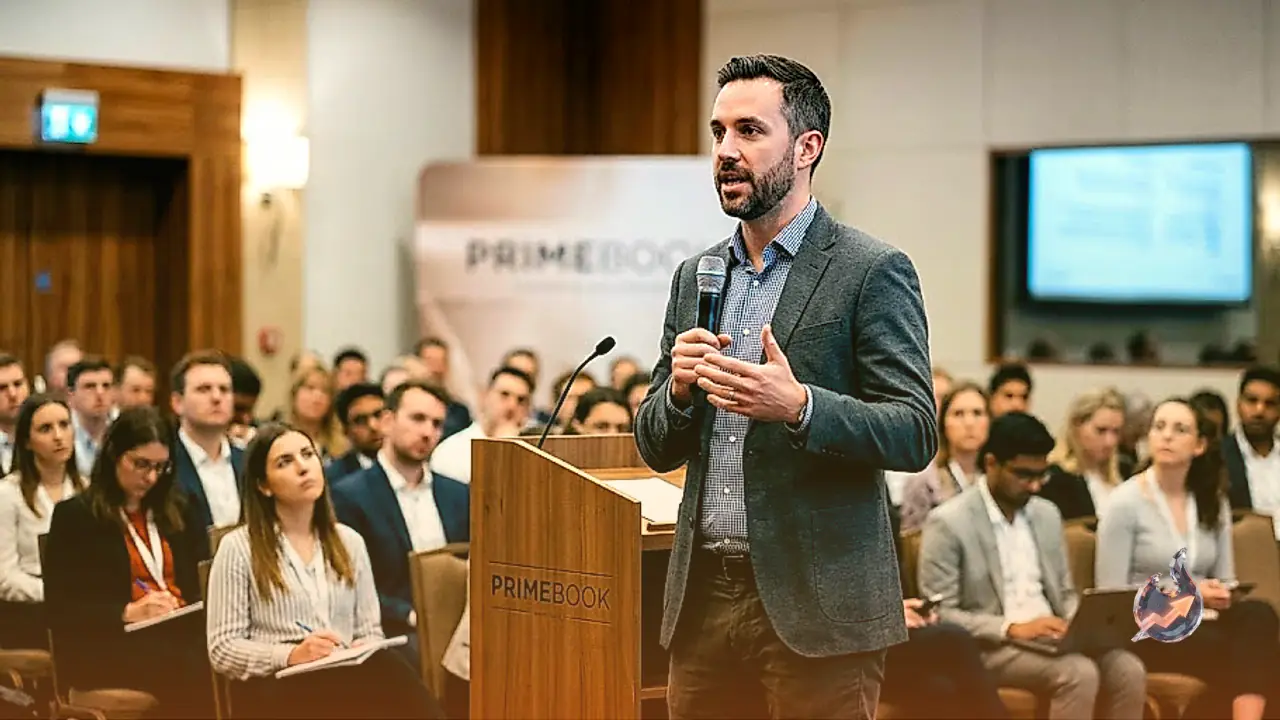
Aman Verma, COO and co-founder of Primebook, believes AI tools themselves will keep changing shape in the years ahead, so there is little point in students memorising any single app or piece of software. The real advantage comes from learning to build a genuine working partnership with the technology. September 8 marks International Literacy Day around the world, and the occasion is a reminder that digital literacy today is no longer limited to reading and writing, it now also includes knowing how to steer AI in the right direction.
Five Skills That Will Matter in Every Workplace
Whether someone is still in college or already holding down a job, AI now touches nearly every task. Building a strong footing in the following five practical skills is what will set people apart in tomorrow's workplaces.
1. Give AI the Full Picture Before You Ask
An AI tool's answer is only as sharp as the question behind it. A vague prompt like give me ideas for a college presentation will return a vague, generic answer. But spelling out the subject, the audience and the time available turns that same request into something far more usable. The same rule applies at work, explaining the right background and the actual goal before building a client presentation is what pulls the best possible output out of AI.
2. Learn What to Keep and What to Drop
AI can generate pages of information within seconds, but sorting the useful part from the rest is still a human job. If AI produces a ten page summary, deciding which two points actually matter for a meeting is something only a person can judge. Filtering out the clutter and zeroing in on what's actually useful is the real skill on display here.
3. Try, Tweak and Try Again
AI has made it far easier to experiment, whether that means building an app, picking up coding or writing content. Trying different approaches, checking the results, adjusting and attempting again is how genuine learning happens. The catch is that handing the entire task over to AI and stepping back completely defeats the purpose, because staying involved in the process is the only way to actually pick up something new.
4. Think in Steps, Not in One Big Leap
No job task gets done in a single move. Data has to be gathered first, then organised, then analysed, and only then presented. Each of those steps can call for a different AI tool. That is why students need to get comfortable stitching together research tools, spreadsheets and presentation software within the same project instead of relying on just one.
5. Know Where You Still Need to Think for Yourself
AI can knock out simple tasks in seconds, but that is no reason to switch off one's own thinking. Copying a math answer straight from AI means never actually learning how to solve the problem. In the same way, using an AI draft as a starting point for an email to a client is fine, but adding personal judgement and tone to it still matters. Leaning on AI is useful, but it should never come at the cost of one's own ability to think.
The Road Ahead
Anyone who builds these five habits into everyday study and work now will find it far easier to find a place in the workplaces of the future. Treating AI as a working partner rather than just a machine that spits out answers is what will actually decide who comes out ahead in the years to come.