
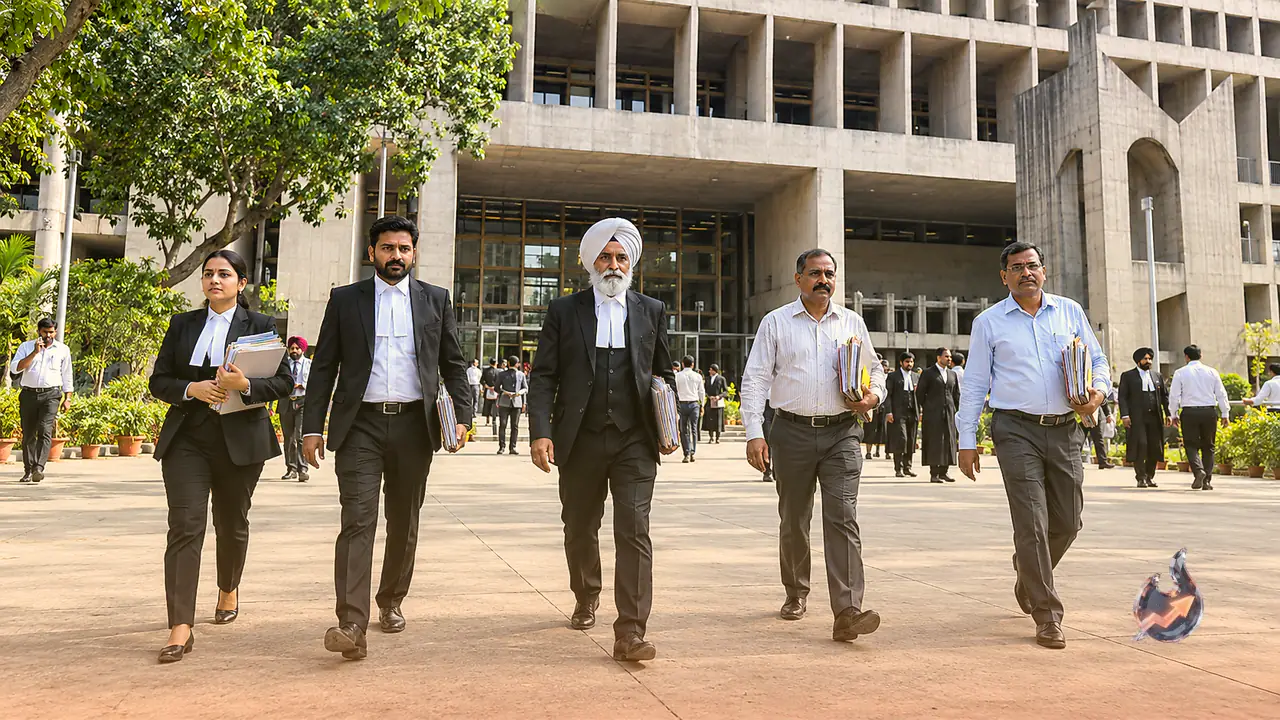





















A sessions court in Kalol has delivered a strict verdict in a cow slaughter case, sentencing three individuals to rigorous life imprisonment. Alongside the prison term, the court has also imposed a fine of 3 lakh rupees on each of the convicts. This legal action follows the recovery and seizure of 277 kilograms of beef connected to the case. Presiding over the matter, Additional Sessions Judge B.R. Rajput underscored the cultural significance associated with cow protection by citing ancient Sanskrit texts and scriptures in his judgment. The individuals convicted in this case have been identified as Wasim Qureshi from Juhapura, Mahamad Rafiq Qureshi from Behrampura, and Asfaq Bahelim from Fatehwadi. They faced prosecution and were successfully convicted under the Gujarat Animal Preservation Amendment Act and the Prevention of Cruelty to Animals Act.
Seizure Operations and Police Investigation Details
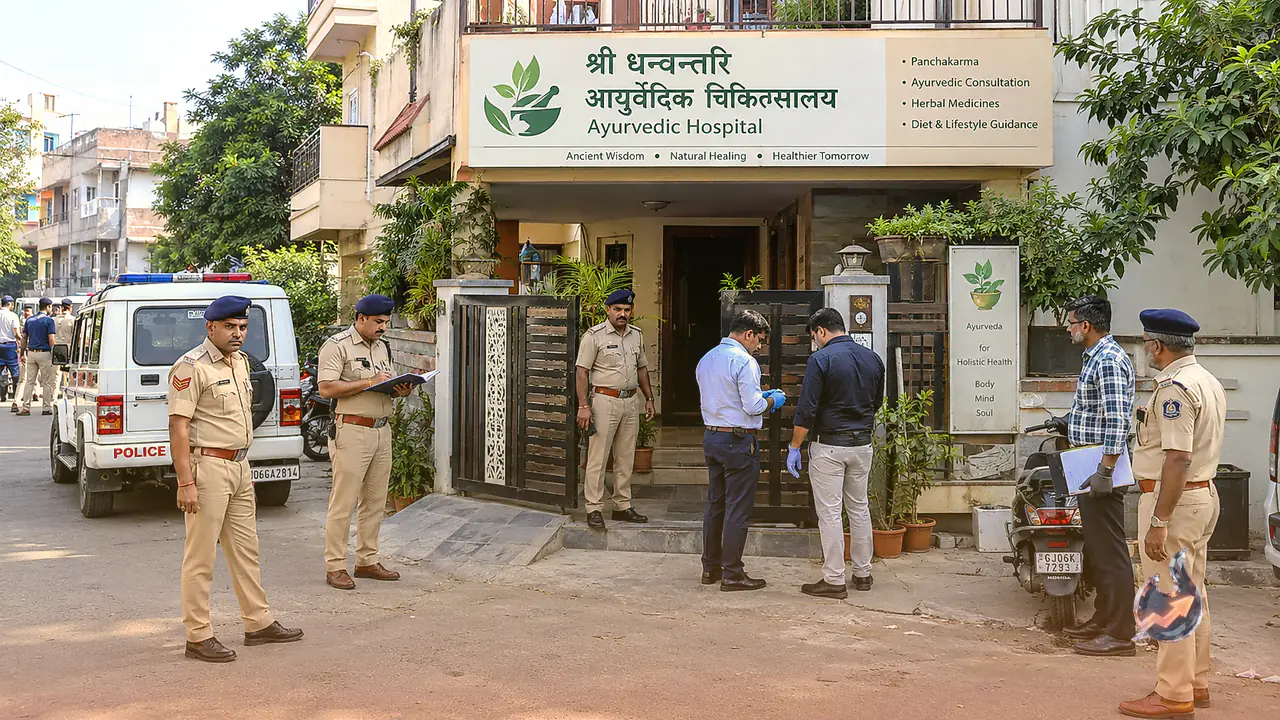
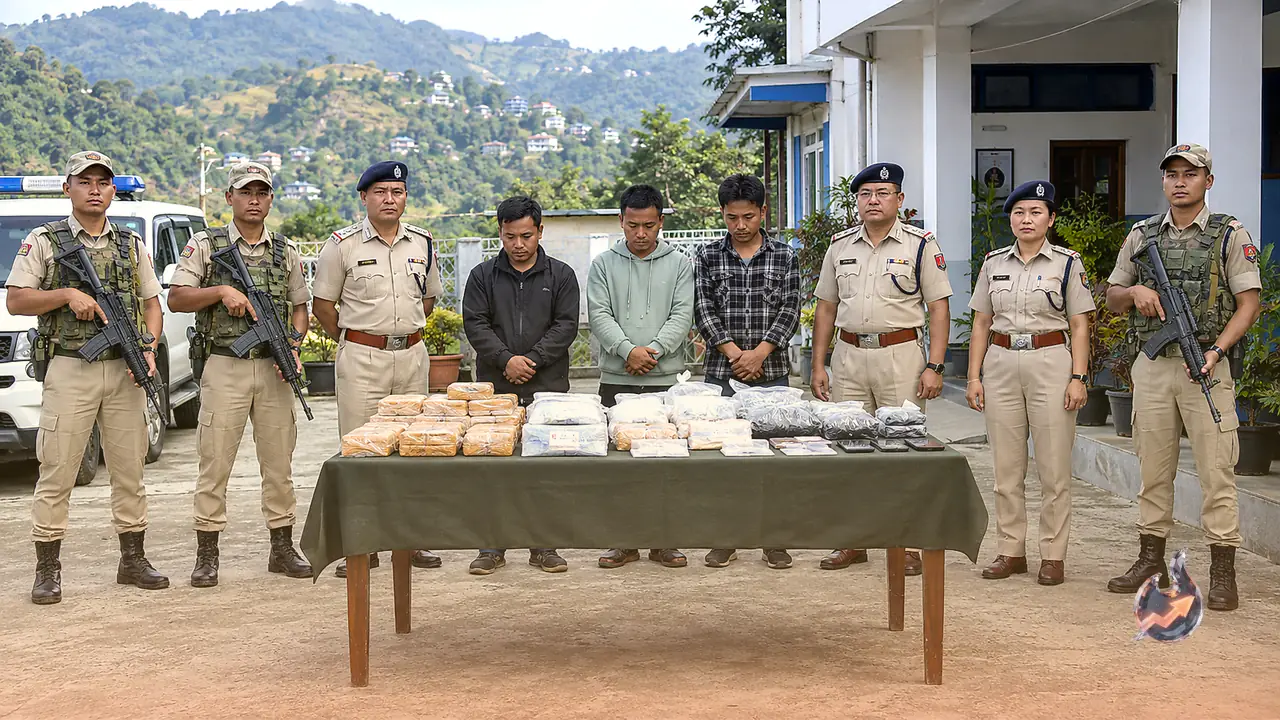
According to Additional Public Prosecutor Jignesh Joshi, local law enforcement authorities had initially arrested a total of six individuals in connection with this criminal enterprise. On August 22, 2024, law enforcement personnel executed a targeted raid at the residential premises of Lalabhai Senma located in Jamala village. During this operation, authorities successfully recovered 277 kilograms of beef from the possession of these three convicts, with the seized meat valued at approximately 55,000 rupees. In addition to the meat, police also secured the weapons utilized in the slaughter process along with a vehicle that was deployed to transport the illicit cargo. Comprehensive police investigations revealed that the accused individuals were actively planning to sell this seized beef to Ghulam Moin Qureshi. Following the conclusion of the trial proceedings, the court found three of the six original accused guilty of the charges.
Court Observations and References to the Vedas
While pronouncing the sentence, the court made prominent references to the Vedas and traditional scriptures to contextualize the ruling. The court remarked that the cow is universally regarded as the mother of the universe and remains immensely beneficial to human life and broader society. Protecting cows is an act deeply intertwined with personal duty, righteousness, and compassion. The judiciary asserted that whenever an incident of cow slaughter takes place anywhere, immediate and stringent legal action must follow without exception. Once the guilt of an accused person is firmly established through concrete evidence, the court emphasized that appropriate punishment must be delivered. In its official order, the bench noted that despite being fully aware of the profound cultural significance of cows, the accused deliberately chose to slaughter an animal and attempted to trade its meat for profit. The court cautioned that failing to impose prescribed punishments in such matters could ultimately endanger the very survival of the bovine population. At present, the formal sentencing of the three primary convicts has been successfully concluded.