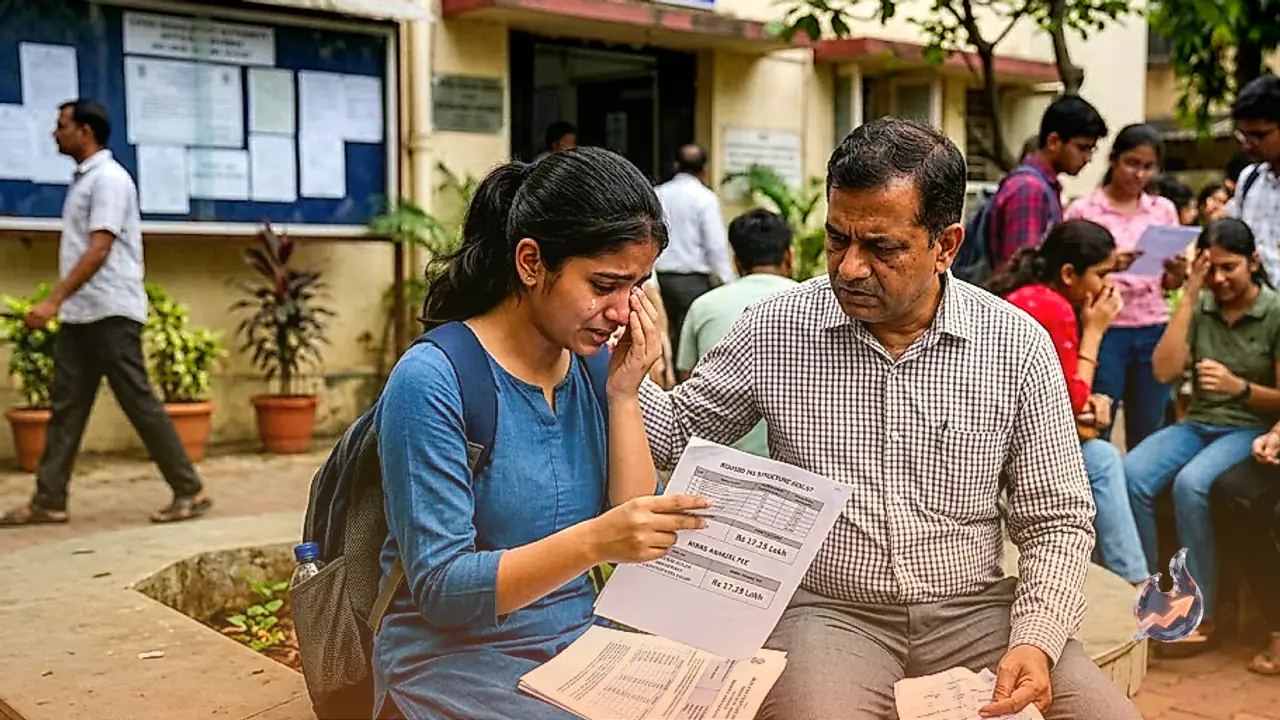





















The escalating cost of higher education and intense competition within private universities frequently create formidable barriers for local students. Acknowledging this hurdle, the Delhi government recently moved to secure 25 percent of seats in private colleges for local students. However, Delhi is far from alone in carving out pathways to higher learning for its native population within their home territories.
Governments across various regions, stretching from northern hill states to western and southern territories, have long enacted legislation and established state-level counselling frameworks to protect the interests of domicile holders in private institutions. Understanding the proposed Delhi framework requires looking closely at how reservation systems operate across different parts of the country.
The Proposed Delhi Framework and Its Implications
Residents of the national capital eyeing private institutions after completing their class 12 studies stand to benefit directly from upcoming structural changes. Local youth will secure a guaranteed 25 percent reservation alongside substantial tuition fee waivers. The administration has cleared the draft for the ‘दिल्ली प्राइवेट यूनिवर्सिटी बिल 2026’ framework.
This initiative aims to help meritorious students from middle-class and economically weaker backgrounds secure admissions into desired streams without enduring the crushing weight of exorbitant educational expenses.
Securing One-Fourth of Seats for Capital Residents
Once the proposed legislation takes full effect, private universities throughout Delhi must reserve a minimum of 25 percent of seats in every course for students holding local domicile. This ensures that local youth retain dedicated opportunities to study within their home city despite heavy competition from aspirants hailing from other states. Admissions will follow the prevailing quota policies established by the administration.
Tuition Waivers and Scholarship Structures
To counter the steep financial demands of private institutions, the draft outlines specific scholarship mechanisms and fee concessions
- Full Fee Waiver: The top five percent of meritorious and needy students within the reserved category receive complete fee exemptions.
- Fifty Percent Concession: Ten percent of students are granted a fifty percent reduction in their tuition fees.
- Twenty-Five Percent Relief: The remaining ten percent of students obtain a twenty-five percent discount on their educational costs.
Mountain States Prioritize Regional Youth
Hilly states have established specific mandates for private institutions to fortify educational prospects locally. Under the ‘उत्तराखंड प्राइवेट यूनिवर्सिटी एक्ट’ framework, all private universities in the state reserve 25 percent of seats exclusively for youth possessing valid permanent residence certificates. Himachal Pradesh follows a nearly identical model, making a 25 percent domicile reservation mandatory for local students.
Plains States Protect Marginalized Local Groups
States situated in the plains enforce similar regulations with strict oversight. In Haryana, permanent resident students enjoy a 25 percent quota across private institutions, with a notable provision specifying that 10 percent of this reserved pool is explicitly set aside for local students belonging to Scheduled Castes and Backward Classes. Meanwhile, under the ‘राजस्थान यूनिवर्सिटी प्राइवेट एक्ट’, native students secure between 15 and 25 percent reservation across private colleges.
Priorities Across Madhya Pradesh, Gujarat, and the South
This localized priority extends far beyond northern India into various other regions. Through state-level counselling and targeted admissions policies in states such as Madhya Pradesh, Gujarat, Odisha, Punjab, and Karnataka, domicile students either receive explicit seat reservations or secure priority placement during merit evaluations.