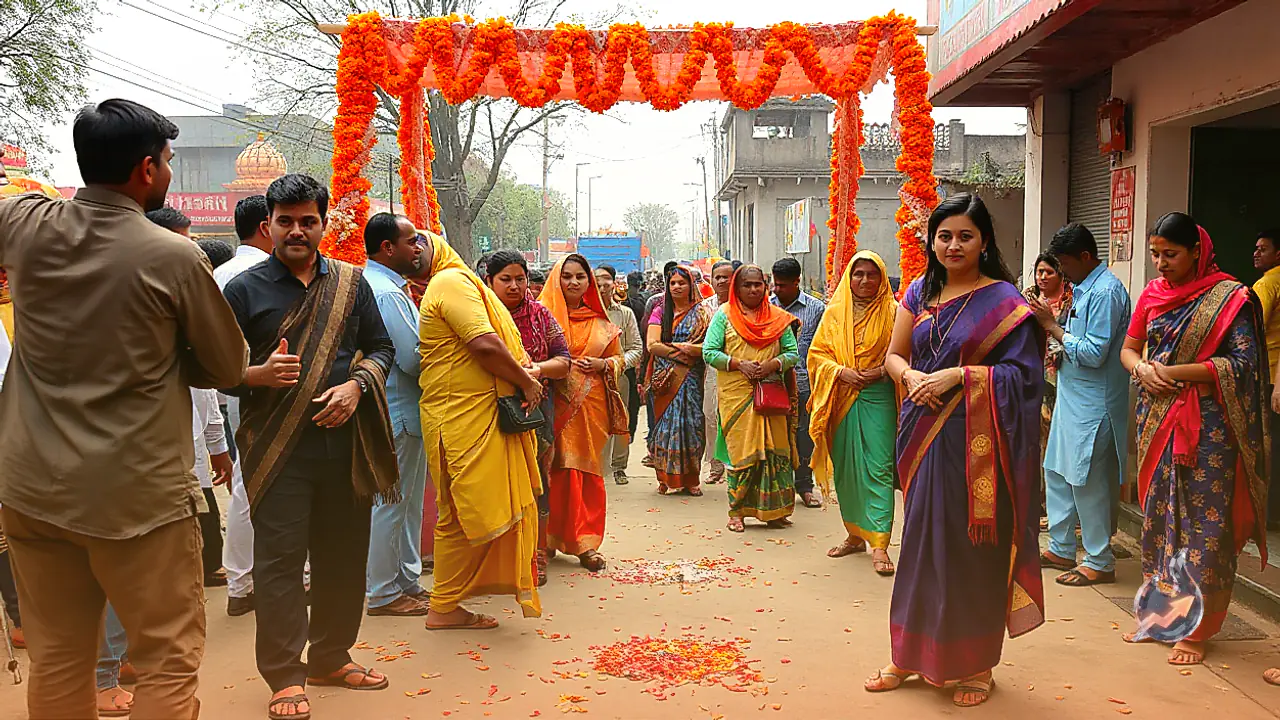





















The revered festival celebrating marital longevity and lifelong partnership arrives with a layer of atmospheric uncertainty this season. Observed annually on the fourth day of the dark fortnight in the month of Kartik, married women observe a strict waterless fast from dawn until moonrise to pray for the well-being and health of their husbands. As the evening rituals conclude, all eyes naturally turn toward the night sky in anticipation of the first glimpse of the moon. However, unfolding weather conditions threaten to alter the traditional schedule for millions observing the rituals.
Weather Disruptions and Rain Alert in Delhi NCR
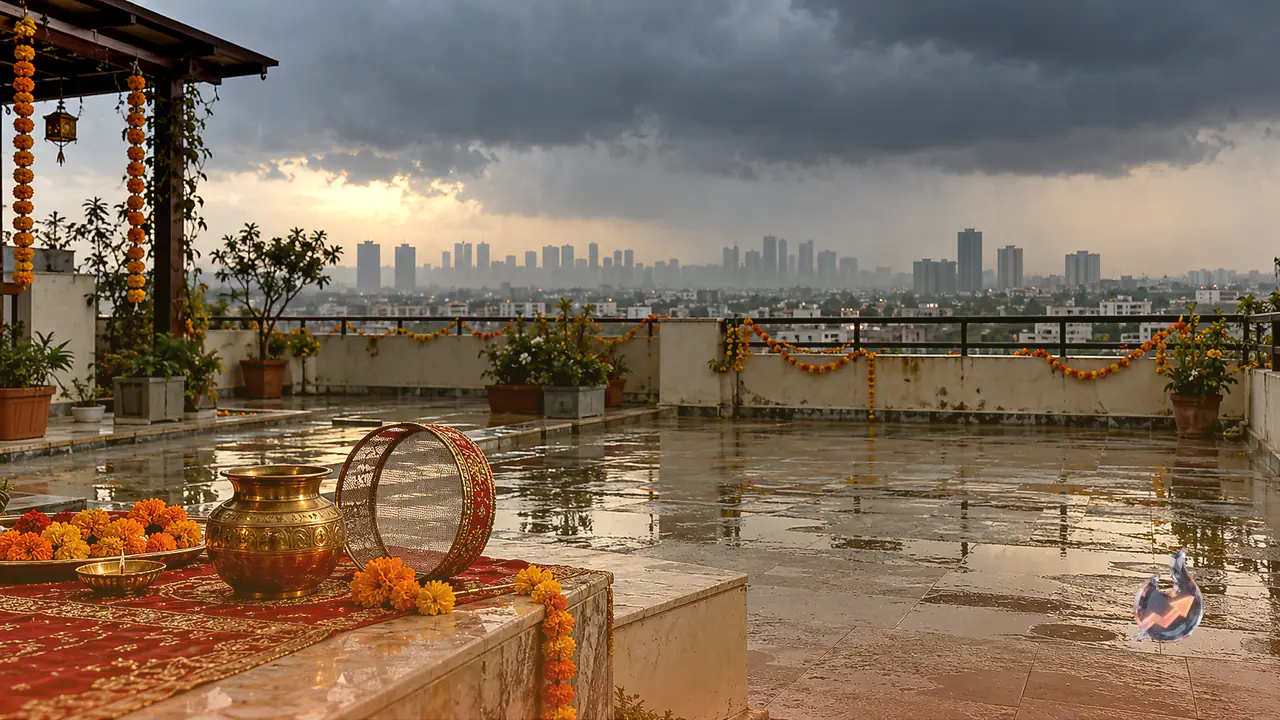
Authorities from the Indian Meteorological Department have indicated that adverse weather could impact celebrations across the national capital and surrounding regions. Forecasts point toward heavily overcast skies accompanied by strong gusty winds, thunderous lightning, and expected rainfall on October 29. Certain pockets might even experience localized hailstorms. The thick cloud cover overhead means participating women may face extended waiting periods before catching a clear view of the moon during the evening hours.
Expected Moonrise Timings Across Major Cities
Due to geographical variations across different parts of the country, the exact moment the moon breaks the horizon differs from one location to another. The projected schedules for moonrise across key urban centers include the following times
- Delhi: Expected moonrise at 8:17 PM.
- Noida: Expected moonrise at 8:16 PM.
- Ghaziabad: Expected moonrise at 8:16 PM.
- Chandigarh: Expected moonrise at 8:12 PM, with a designated worship window between 05:10 PM and 06:27 PM.
- Lucknow: Expected moonrise at 8:06 PM.
- Kanpur: Expected moonrise at 8:10 PM.
- Mumbai: Expected moonrise at 9:00 PM.
- Kolkata: Expected moonrise at 7:47 PM.
- Hyderabad: Expected moonrise at 8:41 PM.
- Bengaluru: Expected moonrise at 8:55 PM.
- Patna: Expected moonrise at 7:52 PM.
Rituals for Offering Water and Breaking the Fast
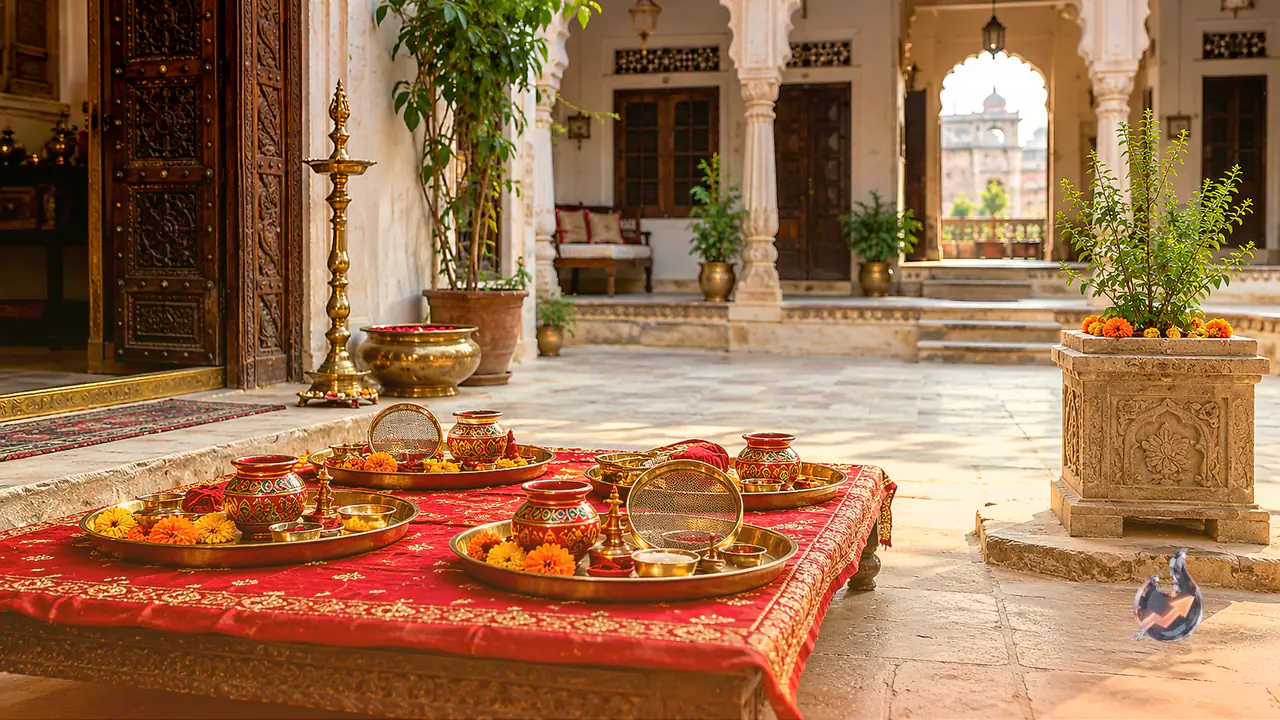
Completing the observance correctly involves a traditional sequence of steps that should be prepared in advance of the moon's appearance. The worship thali must contain a vessel filled with water, vermilion, unbroken rice grains, an earthen lamp, floral offerings, sweets, drinking water, and a straining sieve. Once the moon is visible, devotees look through the sieve illuminated by a lit lamp to catch the first sight. Water is then offered to the lunar deity followed by lighting an oil lamp, applying vermilion and rice grains, and presenting sweets. Finally, the husband's face is viewed through the same sieve before consuming water and sweets from his hands to conclude the fast.