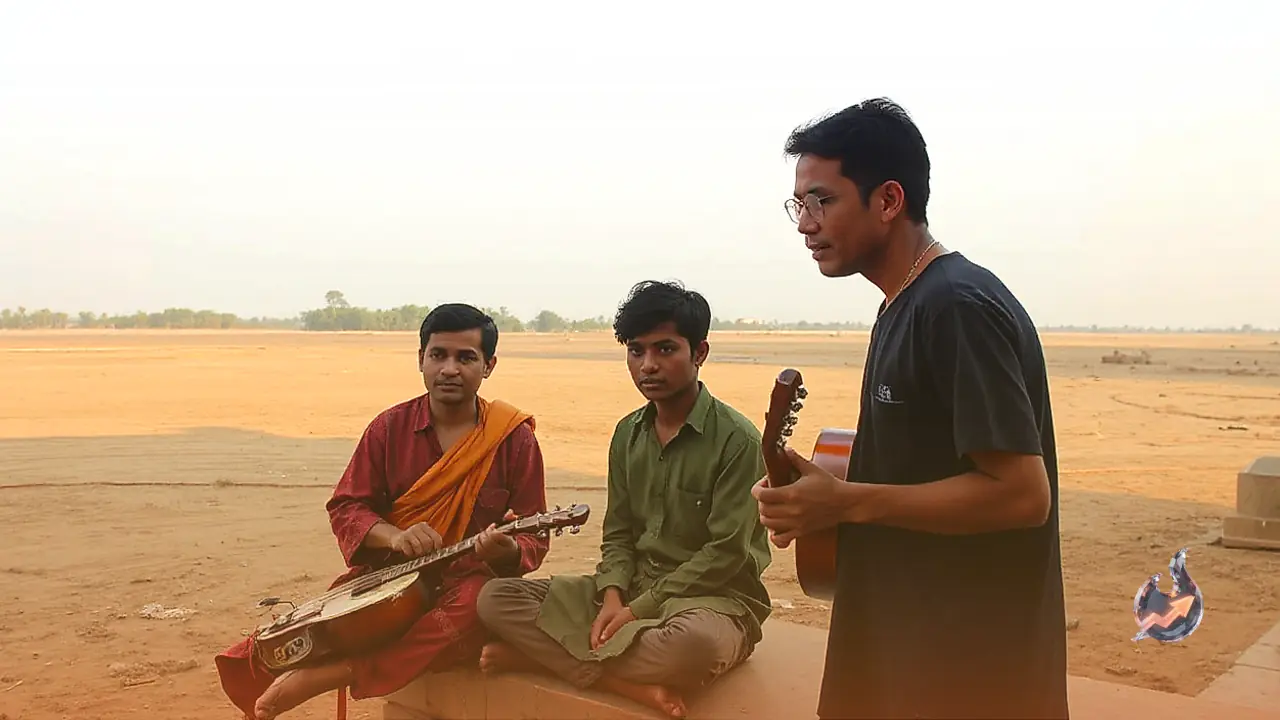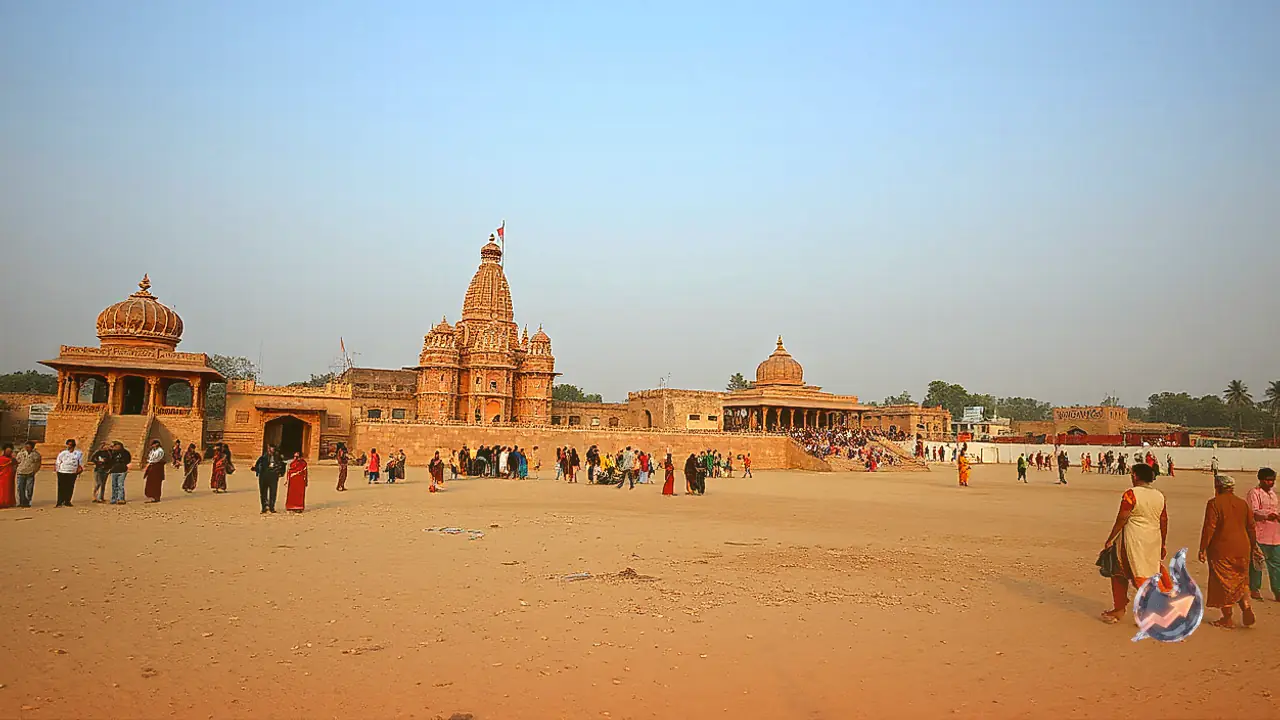






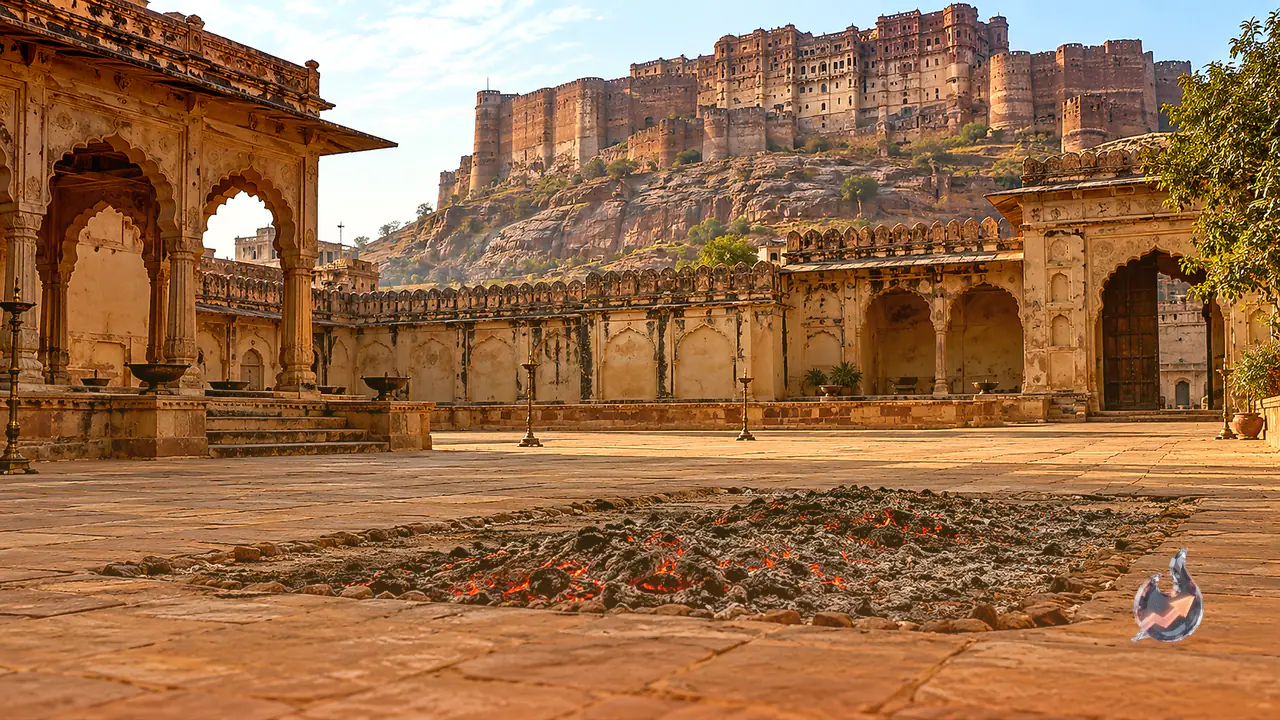














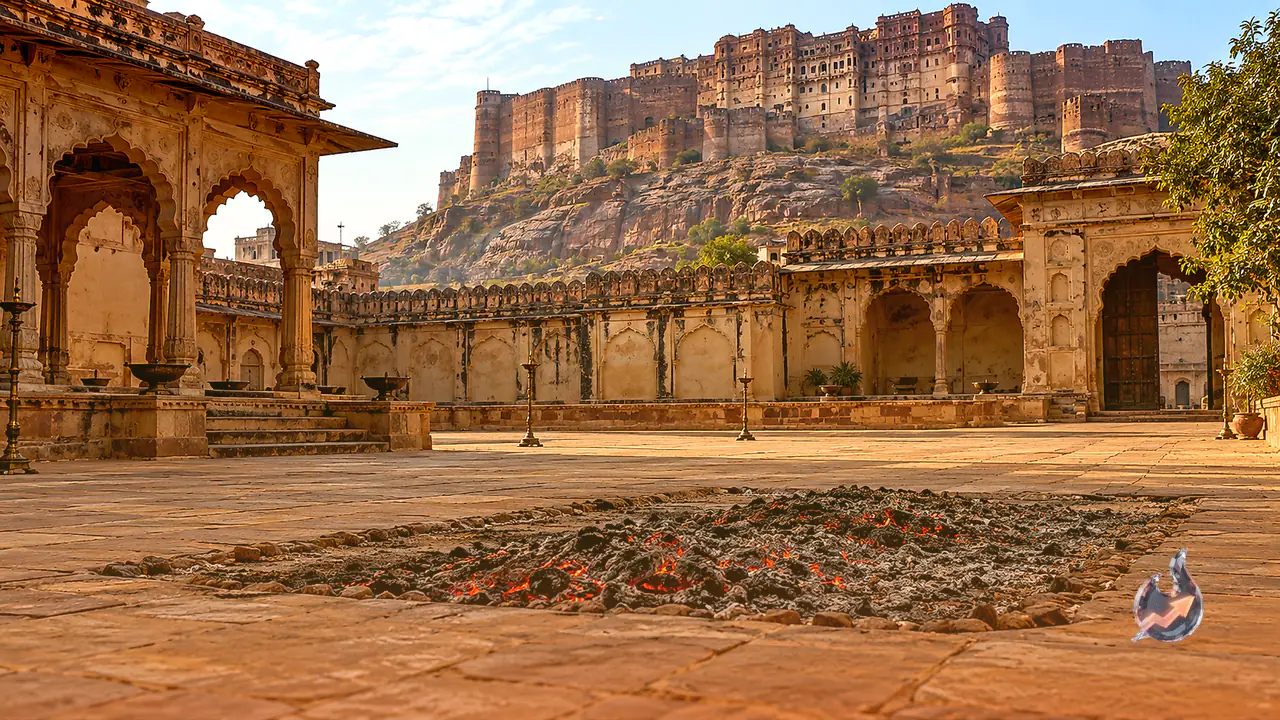

A remarkable blend of folk culture and spiritual devotion took center stage at the Rajasthan International Folk Festival (RIFF) 2026 in Jodhpur. Performing at Dhanna Bhaiya Ki Chhatri, Jasnathi Siddhs mesmerized domestic and foreign visitors alike with their traditional fire dance. Walking, leaping, and dancing directly across searing hot embers, the devotees demonstrated their unyielding faith in Guru Jasnath Ji Maharaj, leaving the crowd completely captivated. Dating back nearly 550 years, this striking performance tradition is regarded as a legacy bestowed by Guru Jasnath Ji Maharaj himself. Directed under the leadership of Festival Director Divya Bhatia, the cultural event brings together distinguished artists from across the globe, while the presence of former Maharaja Gaj Singh and former Maharani Hemlata Raje across various gatherings added to the festival's prominence.
Fearless Feats on Blazing Embers Powered by Spiritual Devotion
During the intense demonstration, performers step directly onto glowing red coals and even place burning embers inside their mouths as part of their sacred ritual. Watching these astonishing feats unfold amidst real flames and heat left onlookers in complete awe. The performers explain that this courage and endurance are the direct result of arduous spiritual practice and the blessings of Guru Jasnath Ji Maharaj. According to them, precise mantra chanting and deep meditative contemplation play a pivotal role during the dance. The artists believe that entering this state alters their sensory perception of heat, softening the intensity of the coals beneath their feet. While navigating burning coals carries obvious and severe physical risks, the performers embrace it wholeheartedly as an essential expression of their faith and heritage.
Historical Ties to the Era of Mughal Emperor Aurangzeb
The oral traditions of the Jasnathi Siddhs also link this fire-dancing practice to the historic reign of Mughal Emperor Aurangzeb. According to lore preserved within the community, Jasnathi ascetics, including Rustam Ji Maharaj, traveled to Delhi to perform the fire dance before the royal court. At a historical juncture when Sanatan traditions and saintly institutions confronted significant pressure, the ascetics sought to demonstrate their unwavering faith, spiritual mastery, and dedication through this fiery trial. Accounts passed down through generations state that 11 individuals from the Jasnathi community were granted copper plates (Tamrapatra). These inscriptions reportedly granted them official sanction to travel across diverse territories and practice their sacred fire dance unimpeded, marking a foundational chapter in Jasnathi religious history.
Upholding the Saffron Banner, Guru Lineage, and Folk Heritage
Alongside their physical mastery, the devotees used the performance at Jodhpur RIFF to convey respect for their guru tradition, the saffron banner, and indigenous cultural values. Citing sacred sayings from their lineage, they emphasized that saffron represents far more than an ordinary garment; it stands as an enduring emblem of sacrifice, spiritual penance, and unshakeable conviction. For the Jasnathi Siddhs, the fire dance transcends standard performance art, serving as a living vehicle of total surrender to their spiritual guide and a vital means to sustain a multi-century tradition for future generations. Consequently, the showcase highlighted not only the remarkable physical stamina of the performers, but also Rajasthan's enduring cultural fabric and spiritual heritage.