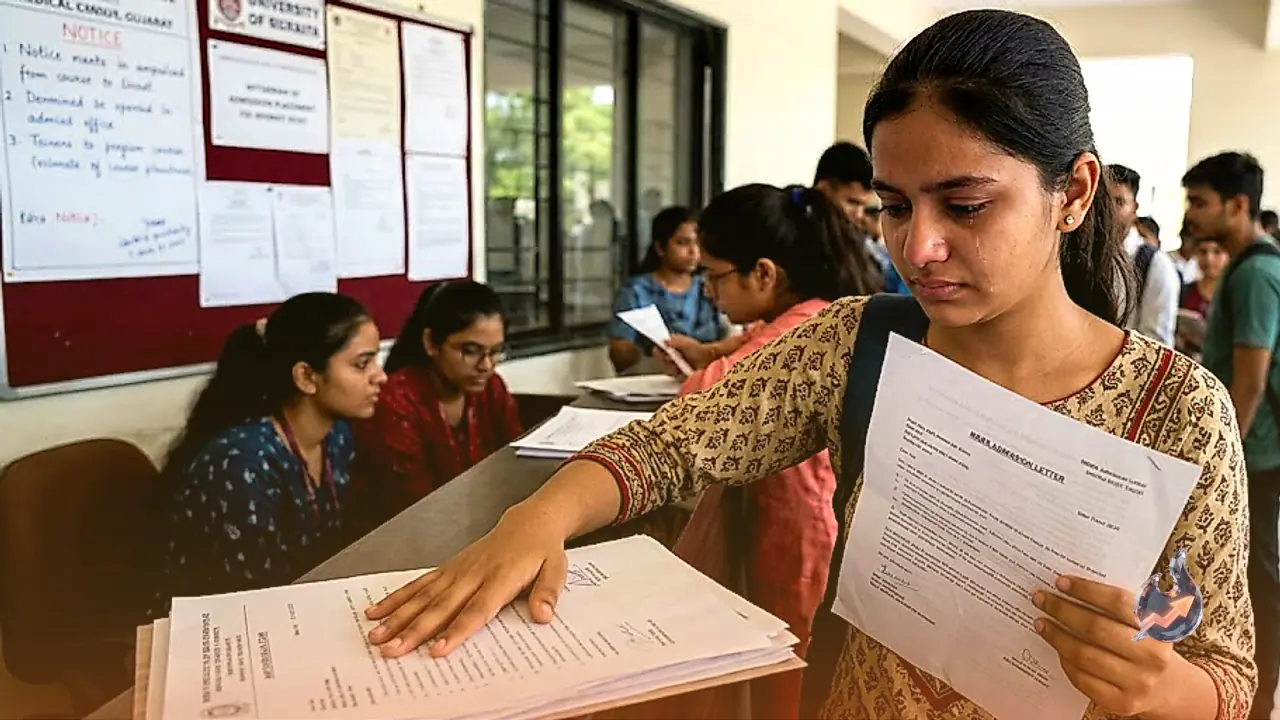

























The onset of campus placement season in engineering colleges invariably brings high anxiety and intense pressure among graduating students. Candidates work around the clock to secure lucrative roles at their dream companies, where having structured guidance can make a substantial difference. To alleviate this stress and offer a practical roadmap, popular tech educator Shradha Khapra, widely recognized among students as 'Microsoft wali Didi', has outlined five practical strategies to maximize placement performance.
Shradha Khapra's Background and Career Profile
Shradha Khapra brings a strong academic and professional foundation to her mentorship. A Computer Engineering graduate from Netaji Subhas Institute of Technology (NSIT) in Delhi, she contributed to a research project at the Defence Research and Development Organisation (DRDO) early in her career. She subsequently served as a Software Development Engineer (SWE) at Microsoft (IDC). Having taught Data Structures and Algorithms (DSA), Web Development, AI/ML, and DevOps to thousands of aspiring engineers, she emphasizes that applying targeted strategies right before placements yields high results in minimal time.
1. Effective Use of Vacations and Daily Consistency
The two months leading up to the official placement drive serve as a pivotal phase for candidates. According to Khapra, consistency remains the primary key to achieving top placement offers. Rather than attempting exhaustive 12-hour study sessions on random days, students should commit to 3 to 4 hours of focused coding practice every single day. Consistent daily effort creates a compounding learning advantage over competitors.
2. Peer-to-Peer Mock Interviews Under Simulated Pressure
Independent study alone cannot replicate the high-stakes environment of a real technical interview. Candidates are advised to organize at least 2 to 3 mock interview sessions with peers. Alternating roles between candidate and interviewer allows students to observe technical gaps, evaluate coding logic, and refine communication skills while becoming accustomed to time constraints and interview pressure.
3. Escaping the 'Tutorial Hell' Trap
A common trap for engineering students involves passively consuming hours of video tutorials on YouTube or online learning portals without writing actual code. Known in the industry as 'Tutorial Hell', this habit builds a false sense of understanding. Passive learners often freeze when asked to build solutions on a blank editor during exams or technical rounds. Candidates must reduce tutorial viewing time and prioritize hands-on coding practice.
4. Balanced Focus on Aptitude and Core CS Fundamentals
While students often dedicate all their attention to complex coding problems and DSA, core Computer Science subjects are frequently ignored. Fundamental areas like Operating Systems (OS), Database Management Systems (DBMS), and Computer Networks, along with numerical aptitude, are critical. Online Assessment (OA) rounds conducted by top tech companies use aptitude tests as their initial elimination filter, making core subject revision mandatory in final preparations.
5. Stress Management and Long-Term Perspective
Experiencing anxiety during placement drives is entirely normal, but candidates should avoid viewing these evaluations as a final verdict on their capabilities. Placement is merely a minor milestone in a long career trajectory. Candidates should focus on putting in 100 percent effort, preparing sincerely, and appearing for interviews with a calm and composed mindset without worrying excessively about final outcomes.