























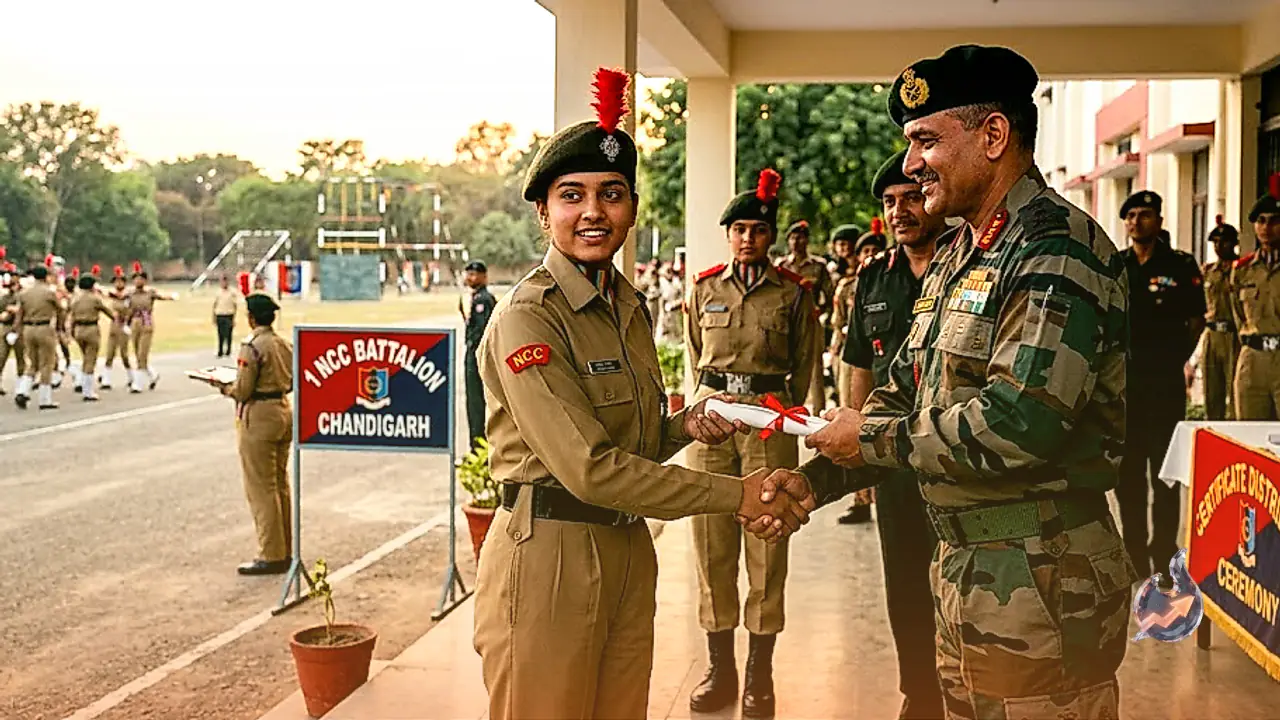

Marching in crisp olive green or khaki uniforms during school and college years instills a deep sense of national pride, camaraderie, and discipline among young individuals. The National Cadet Corps stands as one of the largest youth development platforms, building leadership qualities alongside formal education. While classroom learning focuses primarily on theoretical concepts, this youth wing imparts practical life lessons and resilience. Many students and parents often wonder whether enrolling in this organization is merely an extra activity or if it genuinely offers career progression in defence forces and civil sectors.
Structure and Practical Training Regime
The youth wing is not an academic degree or school curriculum subject; it operates as a voluntary military training program overseen by the Ministry of Defence. Enrolled cadets balance their regular academic schedule while dedicating specific weekly hours to rigorous field training. The comprehensive curriculum encompasses formal parade drills, basic weapon training, map reading techniques, disaster response mechanisms, and community welfare initiatives. Cadets also participate in outdoor adventure camps, high-altitude trekking expeditions, and live firing practices that build mental and physical endurance.
The Three Progressive Certificate Levels
Upon completing designated training durations and meeting strict qualification standards, cadets earn one of three official certificates
- A Certificate: Awarded at the school level to junior wing students, typically completed between class 8 and class 10.
- B Certificate: Conferred at the college or senior secondary level following the successful completion of initial two-year training modules.
- C Certificate: Regarded as the highest and most valuable credential, earned in the final year of college after clearing demanding examinations and mandatory training camps.
Academic Weightage and Scholarship Opportunities
Holding these credentials delivers substantial advantages during higher education admissions. Numerous renowned universities and degree colleges allocate dedicated quota seats or assign additional weightage marks to certified candidates during merit evaluation. Furthermore, meritorious cadets who demonstrate exceptional skills throughout their tenure, as well as those selected for the prestigious Republic Day Camp, receive financial incentives and attractive government scholarships.
Recruitment Advantages Across Armed Forces and Police
The Ministry of Defence and various public administrative bodies accord formal recognition to all three credentials. Candidates possessing 'B' or 'C' certificates benefit from direct bonus marks or written exam exemptions through dedicated Special Entry Schemes in the Indian Army, Indian Navy, and Indian Air Force. Similar priority extends to central paramilitary recruitment drives, including the Central Reserve Police Force and Border Security Force, while state police departments consistently grant preferential consideration to certified cadets during selection rounds.