





















When the high school board examination results are finally announced, millions of families instantly face the daunting puzzle of deciding what educational path to pursue next. Conventional academic courses like a Bachelor of Arts, Bachelor of Science, or Bachelor of Commerce no longer serve as a guaranteed ticket to stable employment upon graduation. Consequently, students and their parents are actively shifting their focus toward educational avenues where learners are not merely confined to turning book pages, but actually get to acquire tangible working skills. This modern educational option goes by the name of the Bachelor of Vocation, widely known as BVoc. It is a structured three-year undergraduate degree program that places significantly greater emphasis on rigorous practical training and specialized skill development rather than heavy theoretical instruction.
Education Policy and the Shift Toward Practical Learning
Ever since the implementation of the new national educational framework, the overall significance of skill-based courses has experienced a massive surge across the country. According to Dr. Narendra K. Shetty, who serves as the Chief Wellness Officer at SDM Institute of Naturopathy and Yogic Sciences, this degree functions as an absolute game-changer for individuals who intend to become thoroughly equipped for the industrial sector by the time they finish graduation. At the Kshemavana campus, these vocational programs are actively conducted in affiliation with the Trans-Disciplinary Health Sciences and Technology University, ensuring that learners bridge the gap between classroom concepts and ground-level realities.
Course Structure and Admission Criteria
The BVoc curriculum operates as a comprehensive three-year vocational degree program that holds official recognition from the University Grants Commission. Any student who has successfully passed the higher secondary board examination, regardless of their chosen academic stream, is eligible to seek admission into this program. In sharp contrast to traditional graduation degrees, the academic syllabus of a vocational degree dedicates roughly sixty to seventy percent of its core focus entirely toward practical learning, on-the-job training assignments, and structured internships. Only about thirty to forty percent of the total instructional time is allocated to standard theoretical classroom study.
Specialized Training Focus Areas
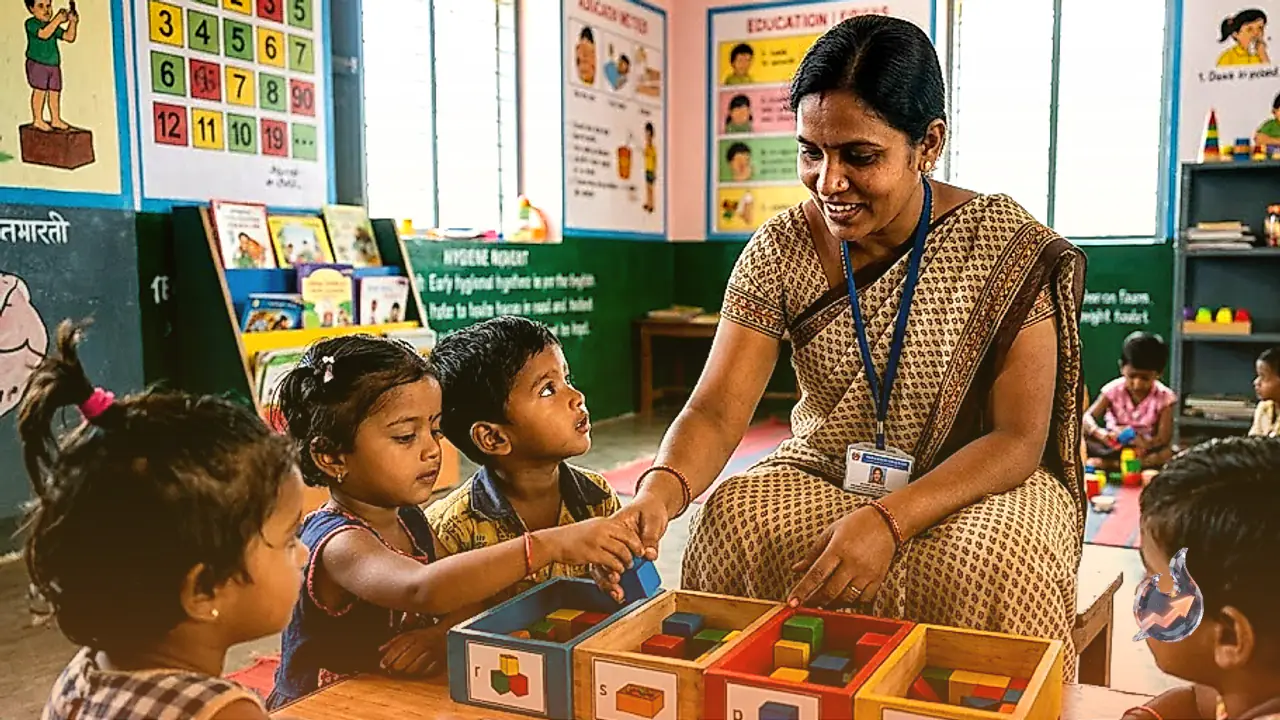
Because of this heavy and deliberate emphasis on practical execution, graduates emerging from these programs find themselves remarkably well-positioned to secure immediate employment. Institutions like Kshemavana specifically offer two distinct vocational courses under this umbrella, namely Panchkarma and Naturopathy Therapy, alongside Hospitality. Within the Panchkarma and Naturopathy curriculum, students are spared from mere textbook reading; instead, they receive direct live clinical exposure in therapeutic practices, yoga techniques, beauty management, and lifestyle supervision under the watchful guidance of seasoned industry experts. On the other hand, the Hospitality and Wellness track delivers real-time operational experience covering front office management, food and beverage services, guest relations, and wellness tourism, all of which witness colossal demand both domestically and internationally.
Understanding Multiple Entry and Exit Flexibility
The standout feature of this vocational academic model is its remarkable structural flexibility. If a student is compelled by unforeseen circumstances to discontinue their studies before completing the full three-year tenure, their academic investment is never wasted. Completing the first successful academic year grants the student a recognized diploma. Finishing two consecutive years awards them an advanced diploma credential. Finally, completing all three years results in the award of the full BVoc degree certificate, ensuring that partial education still retains tangible career value.
Career Scope and Employment Opportunities
Young professionals who successfully complete their vocational graduation never have to face a shortage of viable career opportunities. Youth who major in Panchkarma and Naturopathy can readily secure professional roles inside specialized naturopathy hospitals, rejuvenating spas, luxury resorts, and dedicated wellness centers, or they can choose to establish their own independent wellness enterprises. Meanwhile, hospitality graduates unlock professional pathways leading directly into premier hotels, fine-dining restaurants, event management firms, aviation companies, and hospital hospitality departments. For parents wanting their children to master a specialized craft and secure immediate employment security right after finishing school, vocational education stands out as an exceptional pathway, provided they verify that the chosen college holds legitimate UGC recognition and maintains robust industry partnerships.