















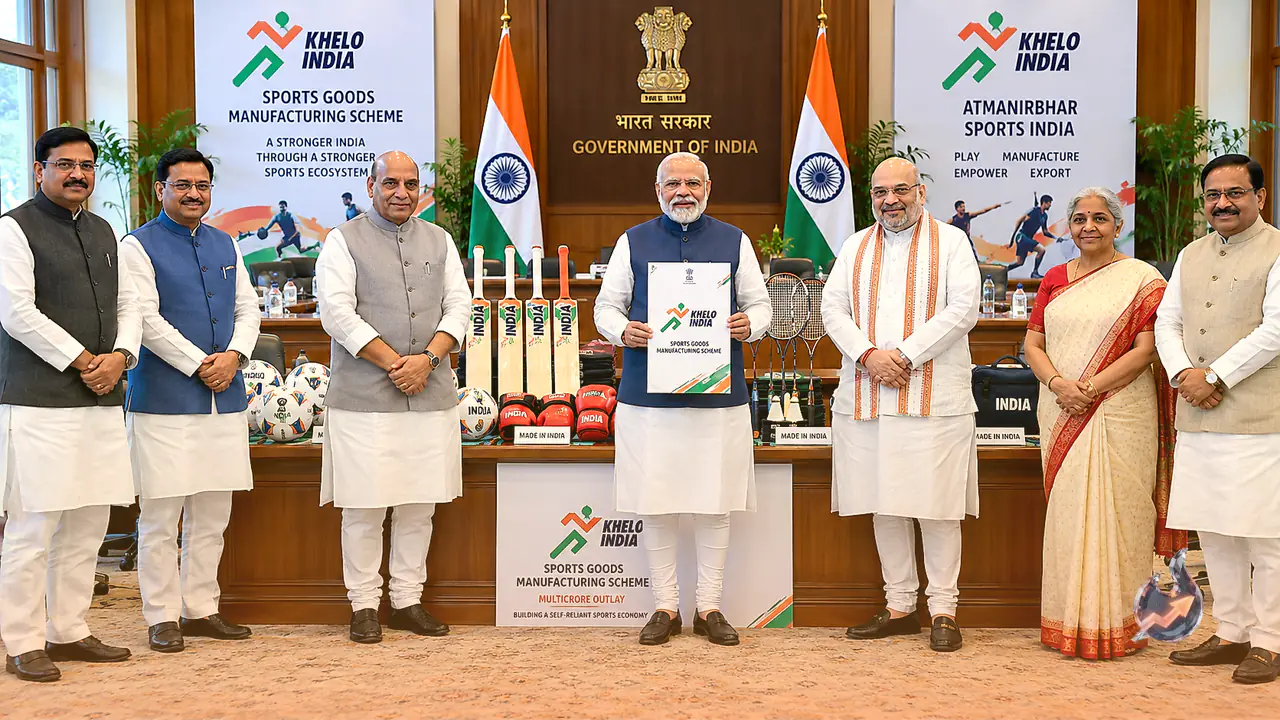

In a decisive move to turn India into an athletic equipment powerhouse, the Union Cabinet chaired by Prime Minister Narendra Modi has approved the Khelo India Sports Goods Manufacturing Scheme. The long-term initiative comes backed by a dedicated financial outlay of Rs 1856.67 crore and will remain active across the period spanning from 2026 to 2033-34. The core objective behind this policy push is to spur private and institutional investments, accelerate domestic output, foster product innovation, and scale up overseas shipments, thereby cementing India's global footprint across the worldwide sports equipment landscape.
Translating Budget Commitments Into Action
The groundwork for this comprehensive programme was initially laid out during the Union Budget 2026-27 presentation, where the Khelo India Sports Goods Manufacturing Scheme was officially announced. Through targeted financial backing and policy facilitation, the framework intends to cultivate a globally competitive domestic sports hardware industry. Strengthening India's positioning across integrated international supply chains remains a vital priority, enabling local manufacturers to meet rigorous international procurement criteria.
Building Dedicated Industrial Ecosystems And Clusters
Anchored firmly within the strategic outlook of the Khelo Bharat Policy 2025 alongside the Make in India and Aatmanirbhar Bharat programmes, the intervention is projected to stimulate fresh investments, create expansive employment opportunities, and upgrade domestic manufacturing capabilities. Enhanced production standards are anticipated to significantly boost the cost and quality competitiveness of Indian sports gear abroad.
A central pillar of the initiative involves cluster-centric industrial development through the establishment of specialized Sports Goods Manufacturing Zones. These dedicated zones will co-locate core manufacturers, materials suppliers, compliance testing laboratories, rapid design and prototyping facilities, and ancillary vendor enterprises within unified operational boundaries. These modern zones are slated to be integrated alongside preexisting infrastructure under the BHOVYA scheme and NICDC industrial parks, ensuring seamless supply integration, streamlined logistics, and enhanced cost competitiveness across the entire sports goods value chain.
Expanding Global Market Presence And Brand Outreach
The creation of integrated industrial parks will actively help enterprises establish modern assembly plants, bridge critical industry-academia links, and improve operational efficiencies across daily workflows. Together, these measures will ease entry barriers for industrial investors, unlock latent output capacity, and create a resilient manufacturing backbone spanning diverse sports categories.
On the commercial front, the policy framework outlines strategic measures to amplify India's international market footprint through focused branding campaigns, outbound buyer outreach, and structured market entry initiatives. By leveraging the framework of the Export Promotion Mission, the government plans to expand the availability of Indian sports goods abroad, unlock overseas retail channels, and secure a higher market share in key sporting economies across the globe.