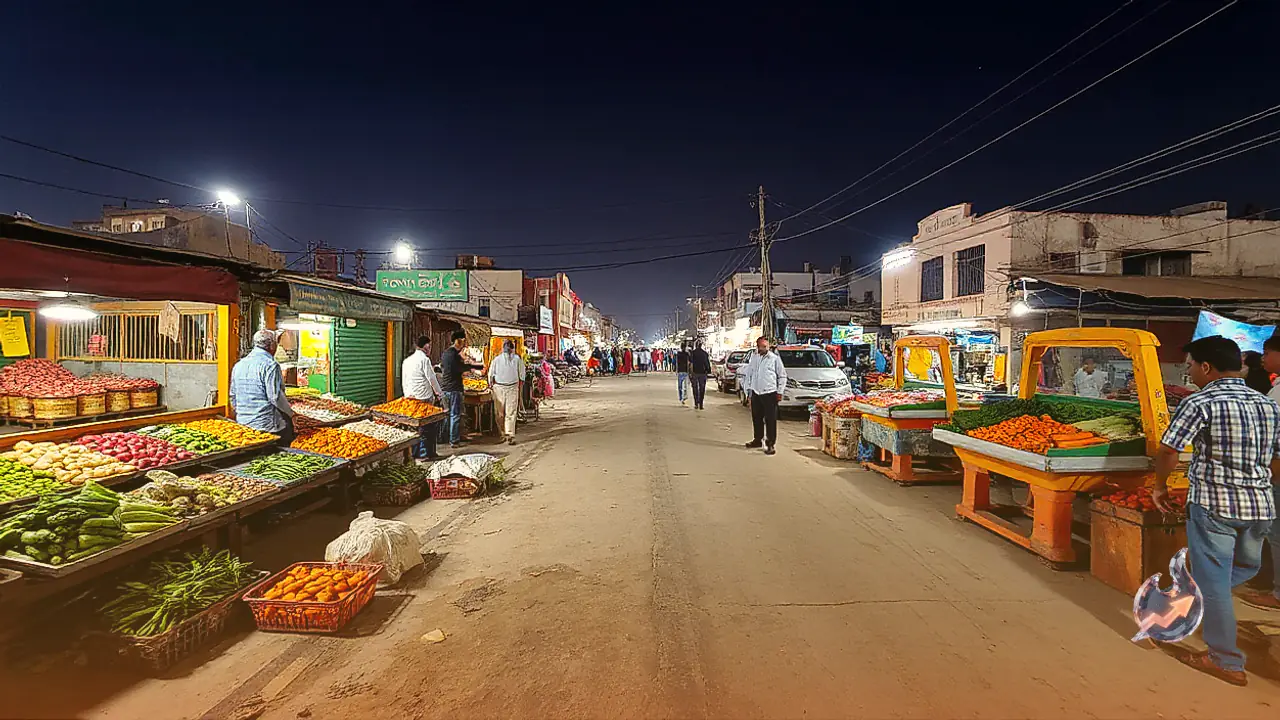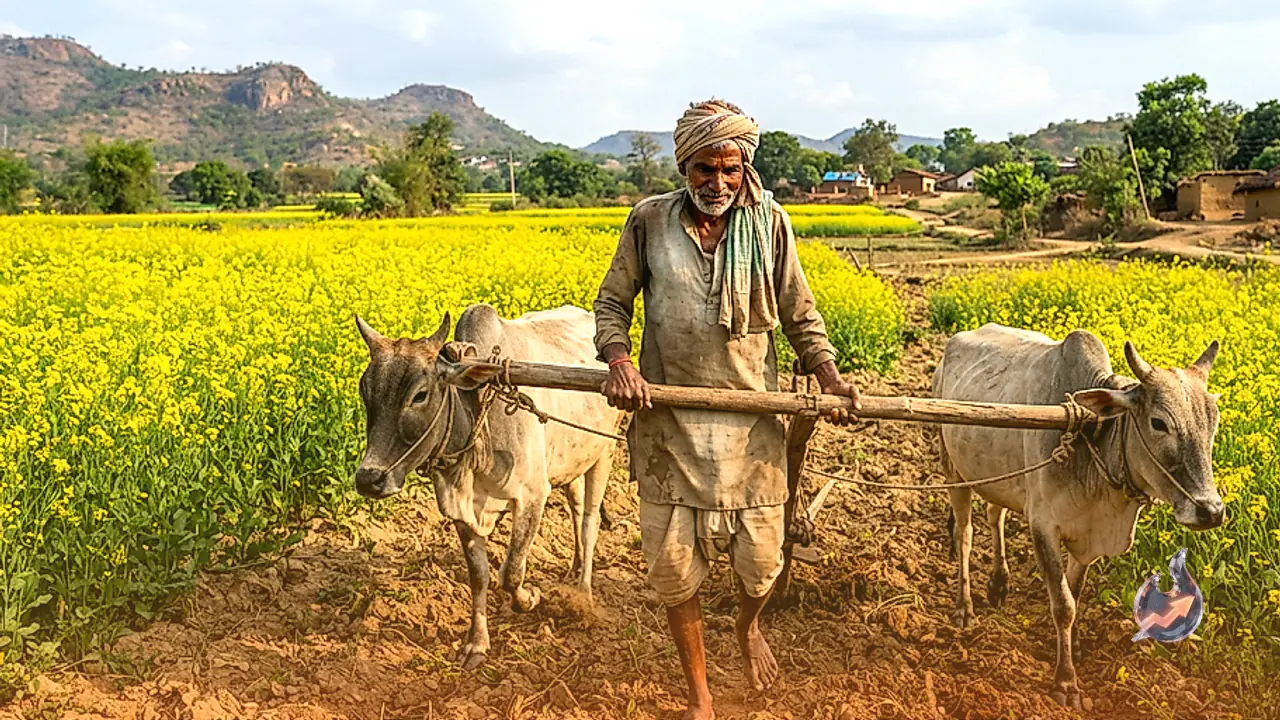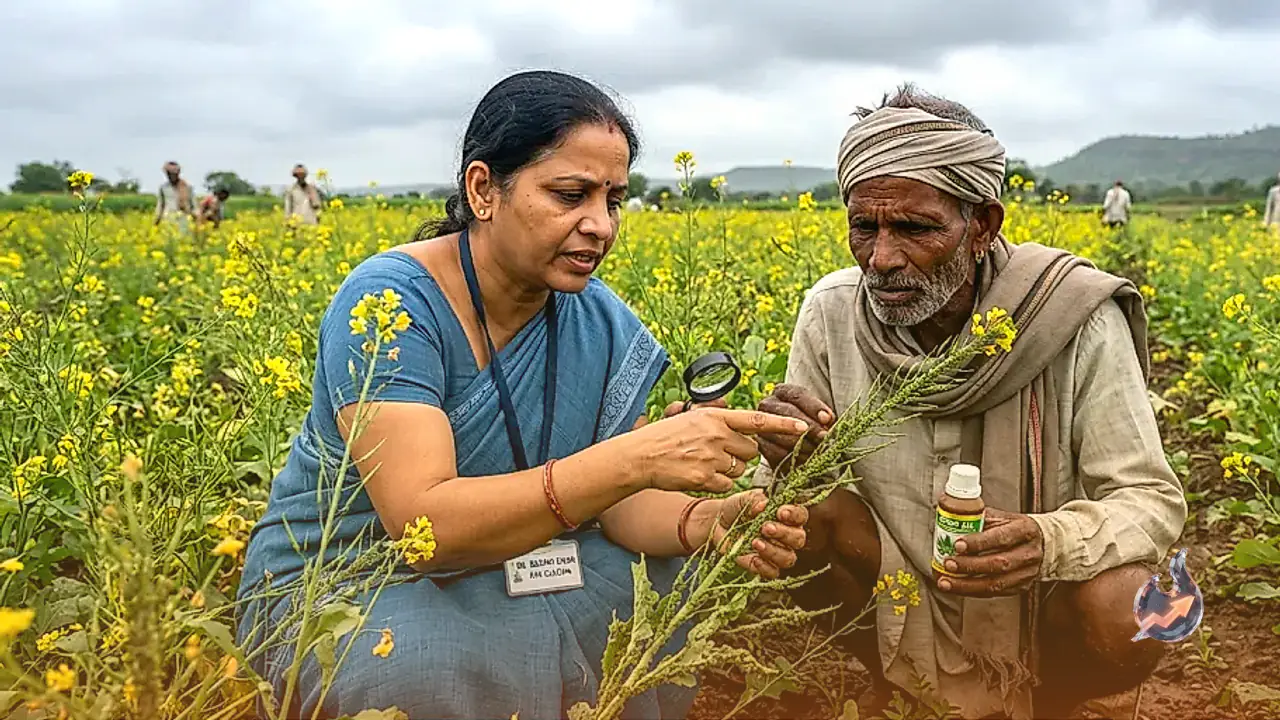























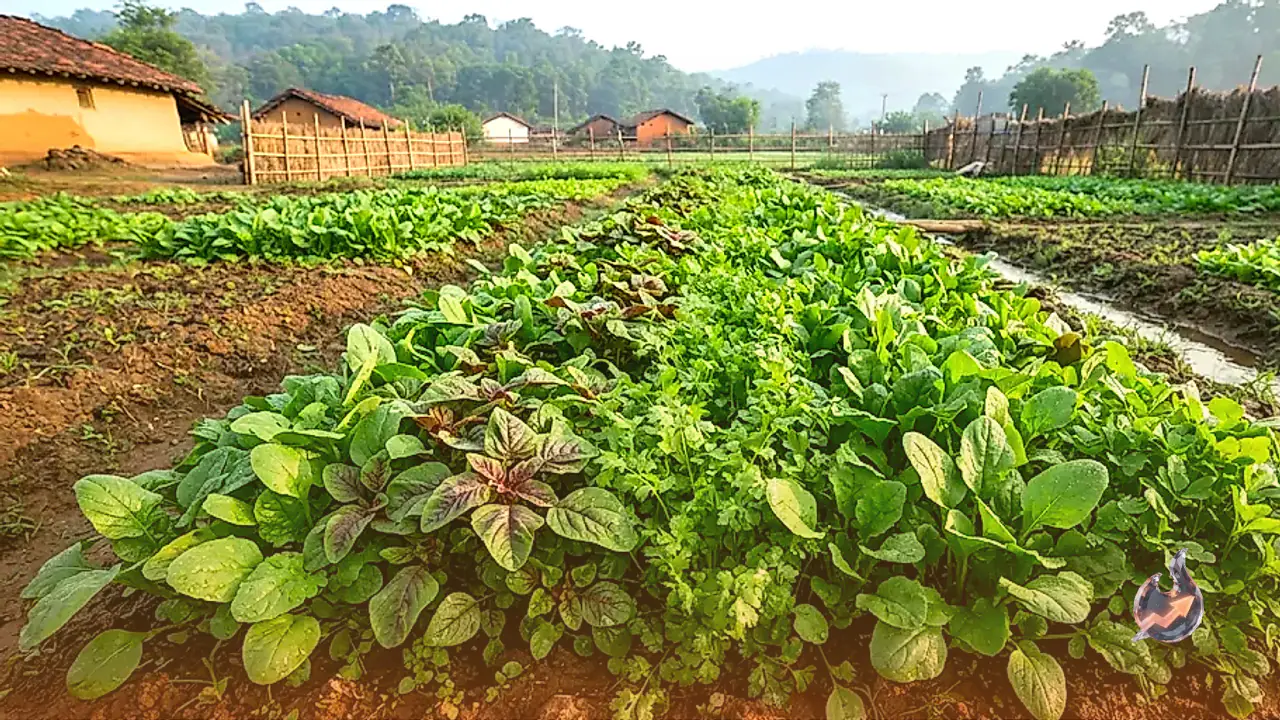

The arrival of the winter season in the Bastar region brings a lucrative opportunity for local agriculturists to diversify their farming practices. For farmers whose paddy crops suffered damage due to recent floods, shifting focus toward leafy vegetable cultivation proves to be a practical and rewarding alternative. Agricultural experts point out that these quick-yielding crops function effectively as cash crops, providing growers with immediate financial returns right at the marketplace.
Recommended Varieties for Quick Yields
Agricultural expert Khule Joshi notes that cultivators across the Bastar belt should capitalize on the current window instead of delaying further. Crops belonging to the leafy green category reach maturity within a remarkably short span of 25 to 30 days. Farmers have the flexibility to plant red amaranth, amaranth, spinach, and fenugreek, alongside wild greens and fresh coriander leaves, all of which enjoy steady local demand.
Soil Preparation and Nutrient Management
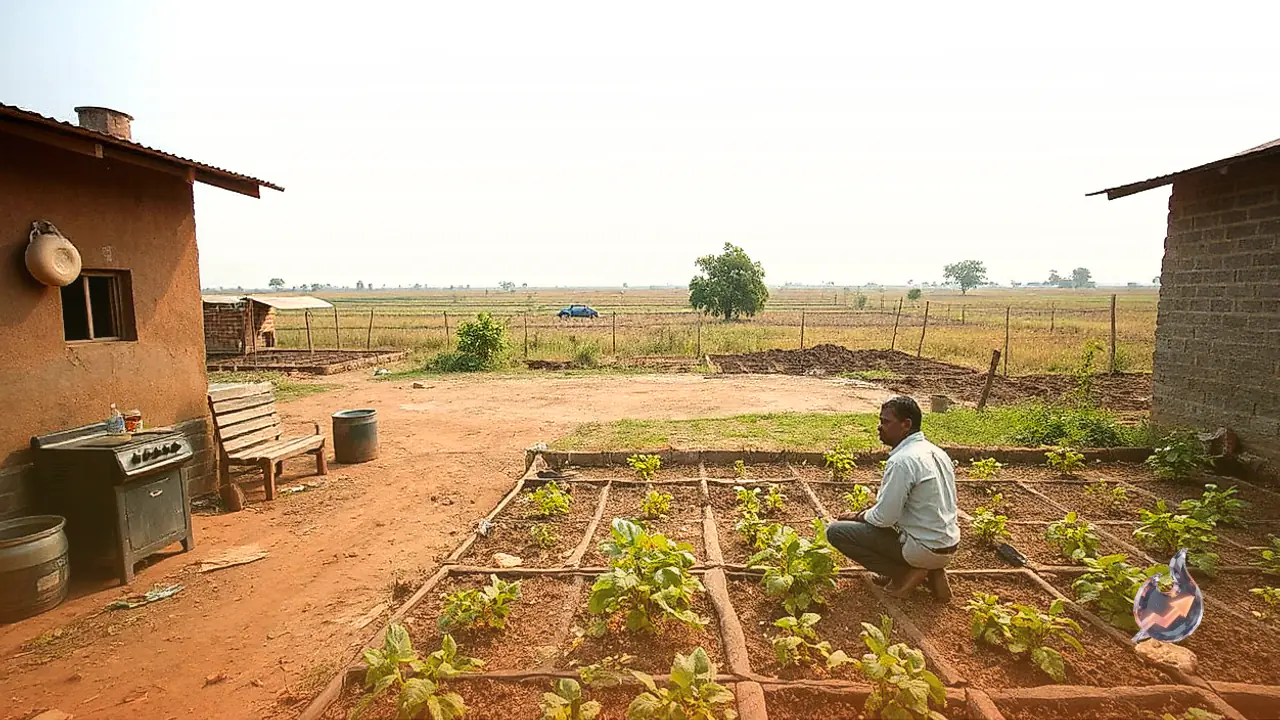
Cultivating these greens requires standard land preparation methods similar to conventional vegetable farming. Growers can opt for either traditional plot layouts or raised bed techniques depending on their preference. Since leafy greens have a brief growing cycle, they demand minimal heavy nutrients. When integrated into crop rotation practices, varieties like fenugreek naturally fix nitrogen in the soil, enhancing overall land fertility and significantly reducing the need for external fertilizers.
Irrigation and Disease Prevention Guidelines
Winter farming requires careful water management, as over-flooding the fields can hinder proper seed germination. Farmers should rely on light, measured irrigation based on available resources rather than drenching the soil. Crops may occasionally face fungal issues such as powdery mildew and leaf spots, but timely preventive care ensures a healthy and abundant harvest for growers.