




















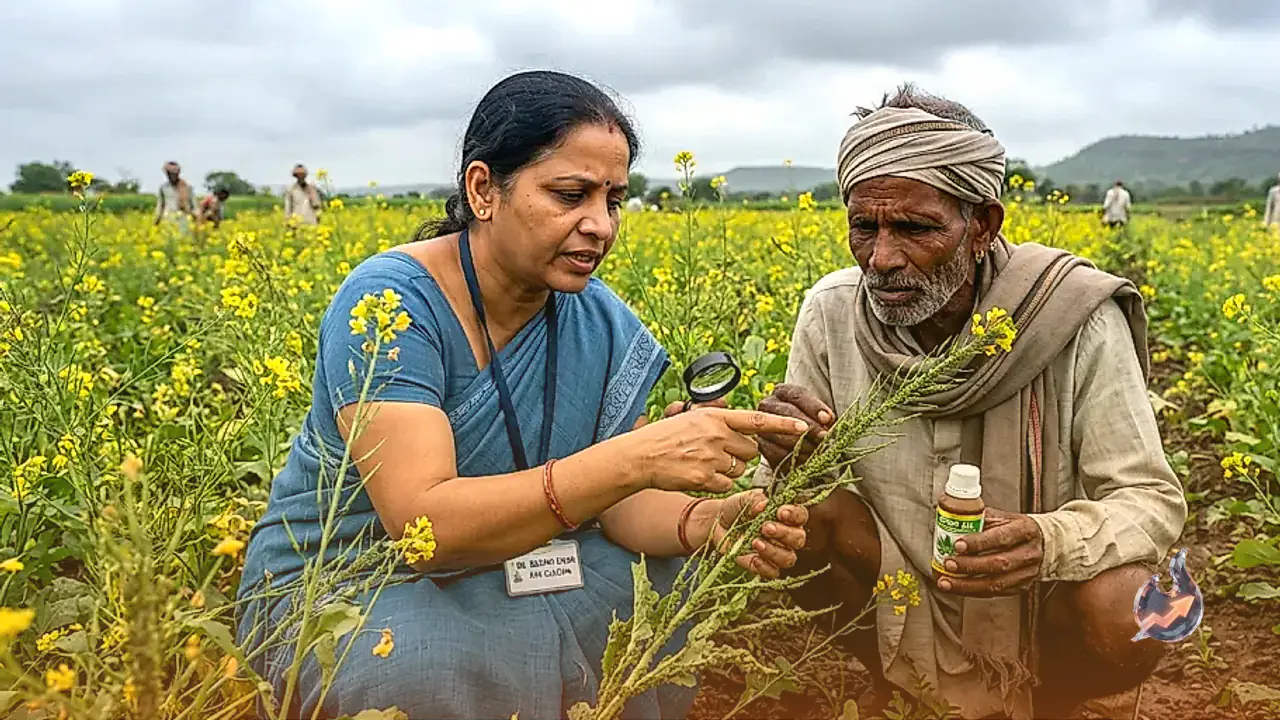

Farmers across the Surguja district of Chhattisgarh are facing mounting concerns as an infestation of aphids threatens their standing mustard crops. These destructive insects target the delicate flowers of the mustard plants, sucking out vital sap and preventing the formation of seed pods. Without timely intervention and proper management strategies, this pest threat has the potential to ruin entire harvests, leaving growers staring at significant agricultural losses during the crucial growing season.
The Vulnerable Flowering Stage
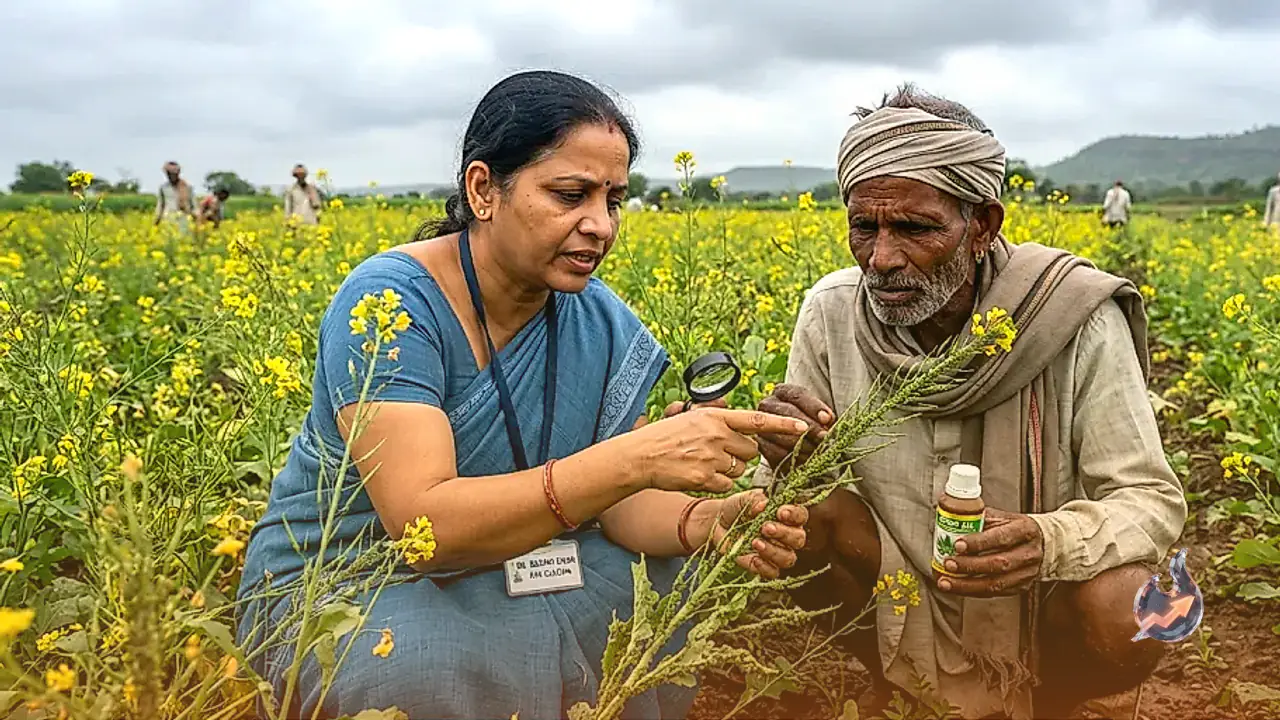
According to agricultural experts, the flowering stage is the most critical period in the lifecycle of a mustard crop. It is precisely during this delicate phase that aphid attacks become most damaging, stunting the natural growth and development of the blossoms. When the flowers are compromised, the subsequent process of pod formation is severely disrupted, which directly translates to reduced crop yields. Growers have been strongly advised to conduct regular inspections of their fields and consult agricultural departments immediately upon noticing the earliest signs of pest activity.
Weather Patterns Fuel the Outbreak
Environmental conditions play a major role in the rapid spread of this pest. The combination of cold winter temperatures and overcast, cloudy skies creates an ideal breeding ground for aphids, causing their populations to surge dramatically. During such weather spells, farmers must exercise heightened vigilance. Continuous monitoring of plants and blossoms is essential to detect the infestation early and apply control measures before the insects multiply and overwhelm the agricultural fields.
Neem Oil and Organic Solutions
To combat the infestation safely and effectively, experts recommend reaching out to local agricultural authorities for approved treatments. The use of neem oil and other recommended biological products, applied strictly under the guidance of agricultural officers, can help suppress the pest population during its initial stages. Additionally, growers can explore traditional organic alternatives by preparing botanical extracts from bitter leaves such as neem and eucalyptus. However, getting the correct concentration and spray technique from a trained specialist is crucial before applying these home-brewed mixtures to the crops.
Early Detection is Key to Protection
Allowing the aphid population to grow unchecked will only compound the damage to the harvest. Experts emphasize that the moment initial symptoms appear, cultivators should coordinate with rural agricultural extension officers to implement recommended control measures. Timely field monitoring and prompt preventive action remain the most effective defenses in safeguarding mustard crops from potential devastation and ensuring a secure livelihood for the farming community.