




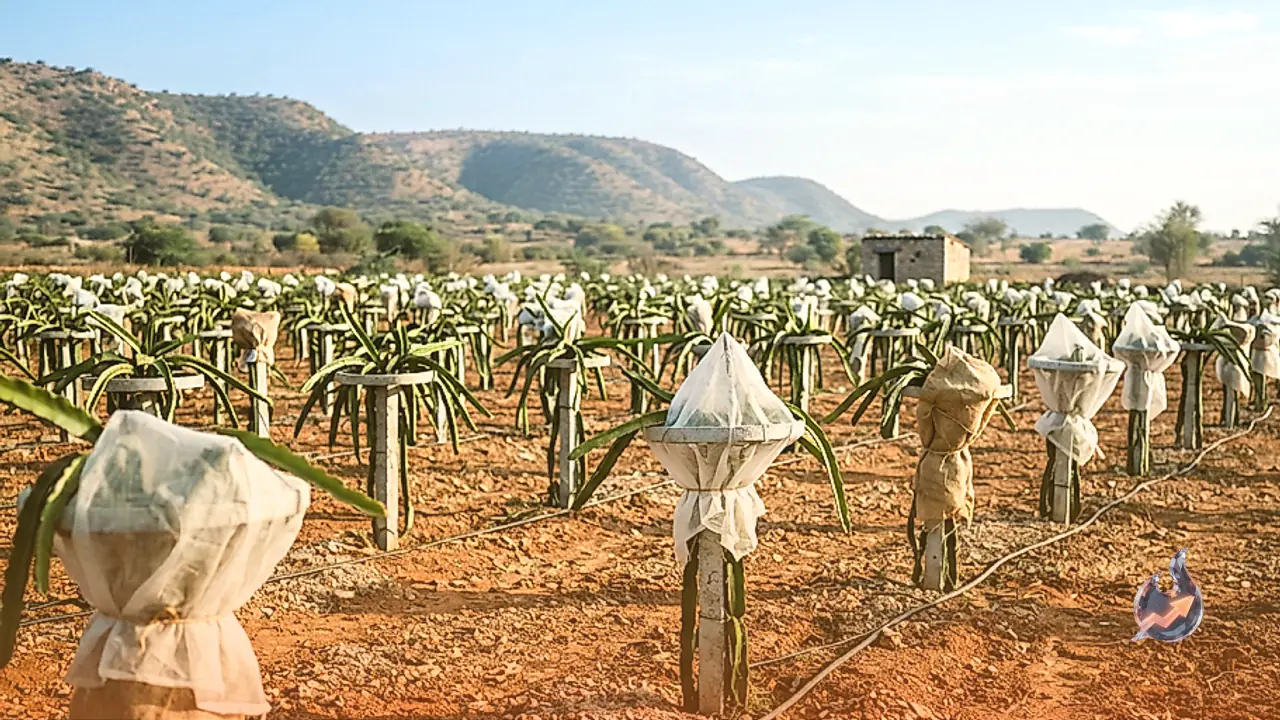



















Farmers in the Bhilwara district of Rajasthan are steadily moving beyond traditional farming by embracing modern and advanced agricultural techniques. Driven by the pursuit of higher profits with lower investment, cultivators are enthusiastically adopting crops that were once predominantly grown abroad. Many cultivators in Bhilwara are now venturing into dragon fruit farming, which is rapidly emerging as a lucrative income option. Due to growing market demand and the potential for favorable prices, the interest of cultivators in this exotic fruit is on a continuous upward trajectory.
Understanding winter challenges for dragon fruit plants
While the market demand and lucrative pricing make this crop attractive, managing it according to seasonal shifts is equally vital. The winter season is considered particularly sensitive for dragon fruit plants. During cold nights in Rajasthan, sharp temperature drops and frost can inflict considerable damage on the vegetation. Consequently, farmers face the persistent challenge of shielding their valuable crops from the harsh effects of the cold weather. These sudden weather fluctuations can directly hinder the overall growth and health of the flora.
Key precautions during winter according to local cultivators
A local farmer from Bhilwara, Ram Prasad, explained that cultivators need to exercise special caution during the winter months. When temperatures drop, the growth rate of the plants can slow down noticeably. Furthermore, severe cold and frost can adversely impact the plant branches as well as the overall fruit yield. Growers must pay close attention to the soil moisture levels in their fields right from the start. Since winter soil retains moisture for much longer periods, supplying excessive water to the plants can prove detrimental. Therefore, light irrigation should be administered strictly based on actual requirement.
Effective methods to shield plants from frost and chilly winds
To safeguard the vegetation from frost and biting cold winds, deploying appropriate covers or shade nets can be very helpful. Keeping the plants covered during intensely cold spells proves beneficial, provided that adequate ventilation is maintained and moisture does not accumulate due to the covering. Farmers must prevent any waterlogging in the fields and regularly inspect the soil surrounding the plants. Dragon fruit plants require minimal water during winter, so unnecessary irrigation should be avoided entirely. Maintaining a close eye on weather changes and temperature declines is equally essential. By practicing proper care, balanced watering, and effective frost mitigation measures, growers can successfully protect their dragon fruit crops through the winter months. This dedicated upkeep preserves plant health and significantly enhances the likelihood of achieving an abundant harvest in the future.