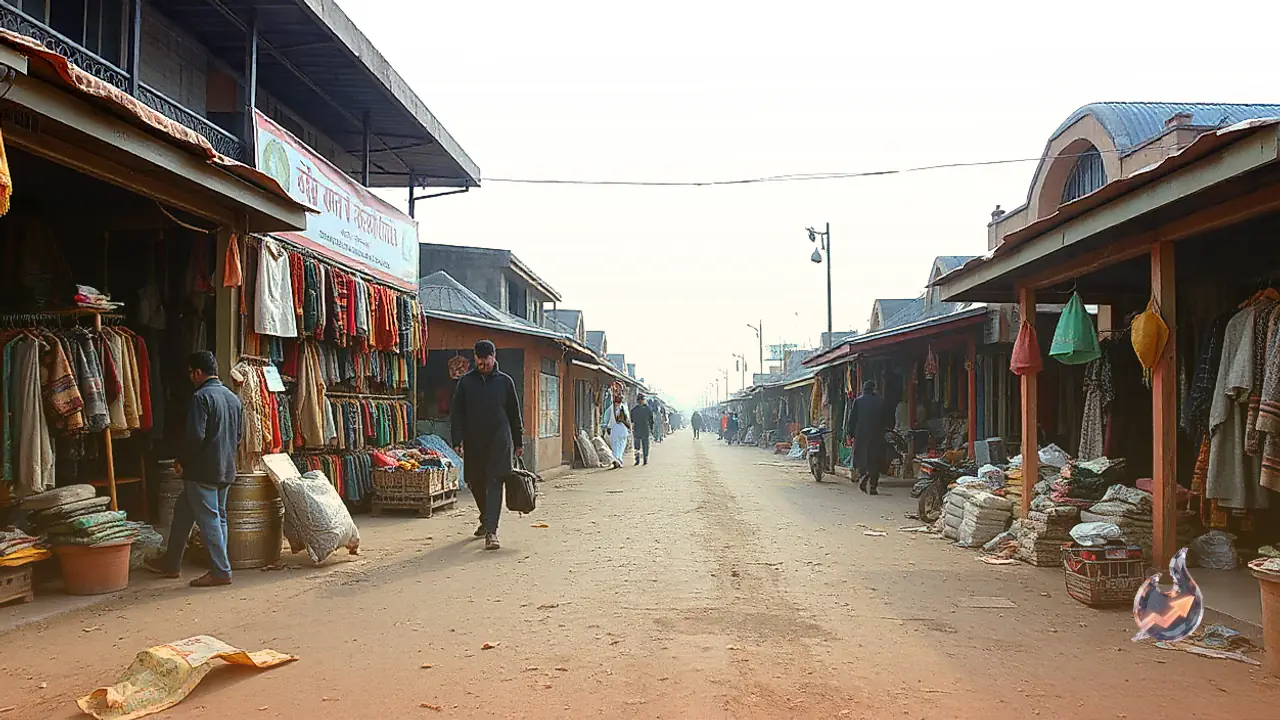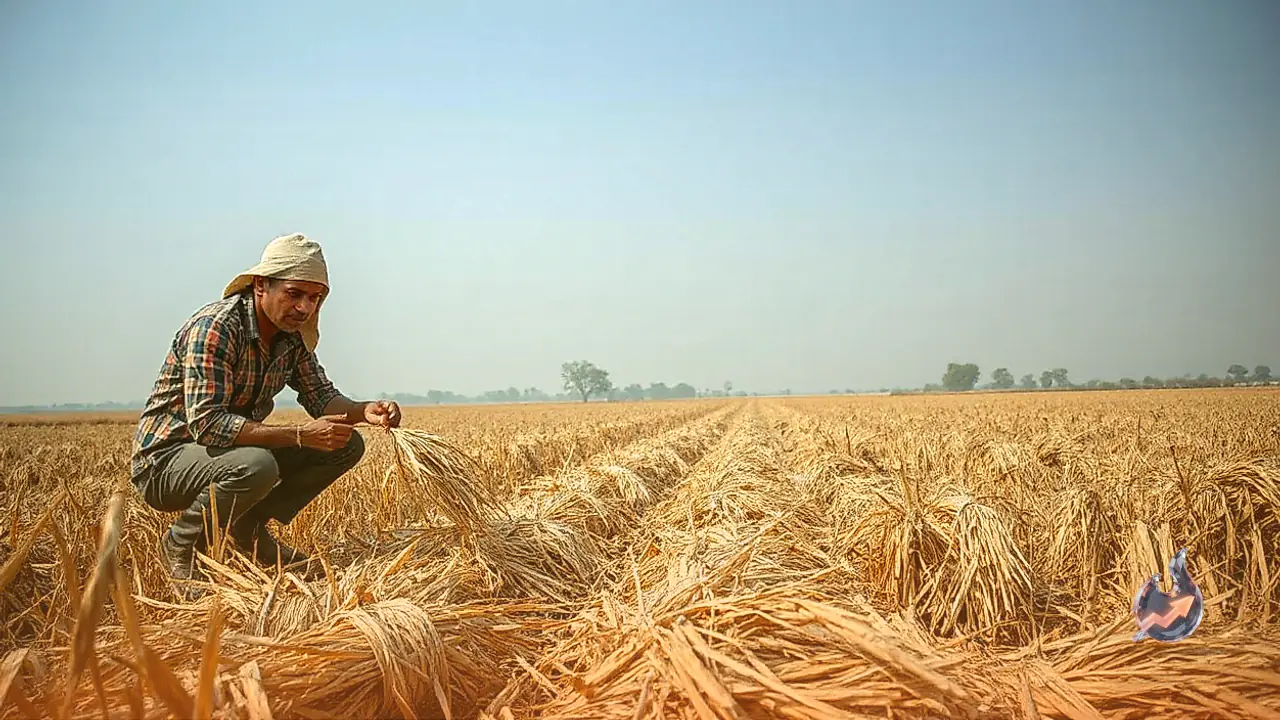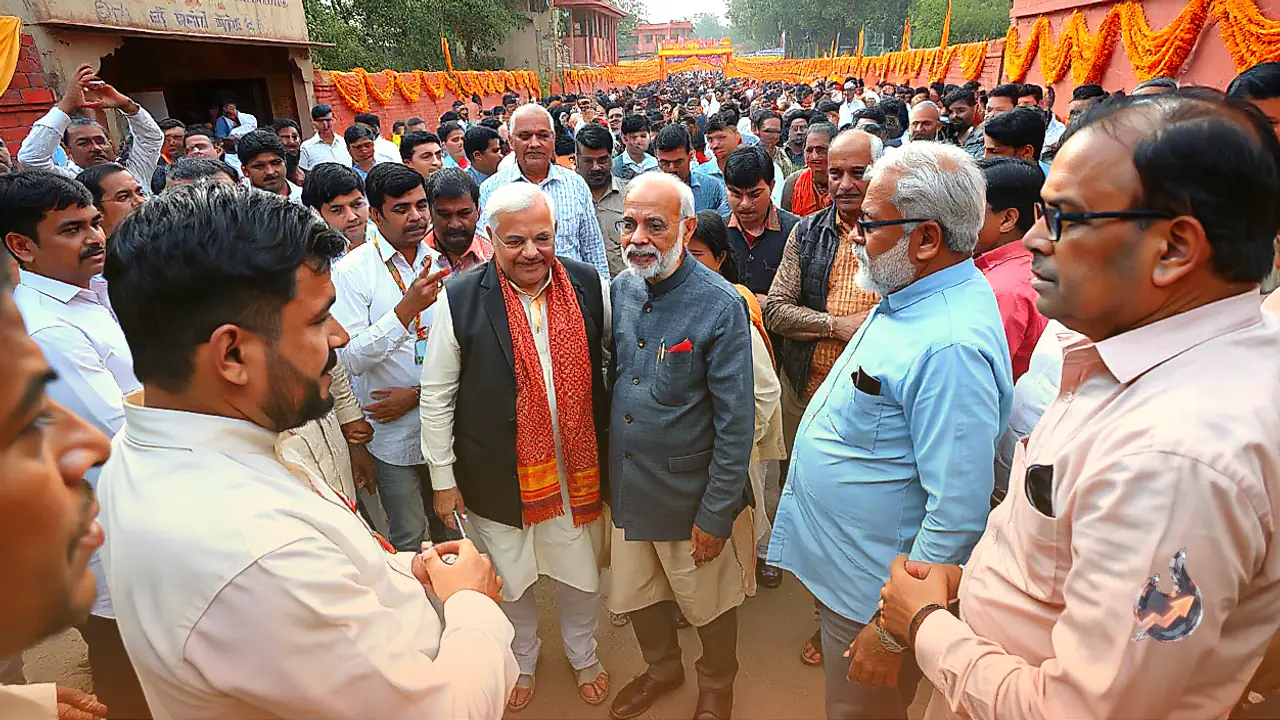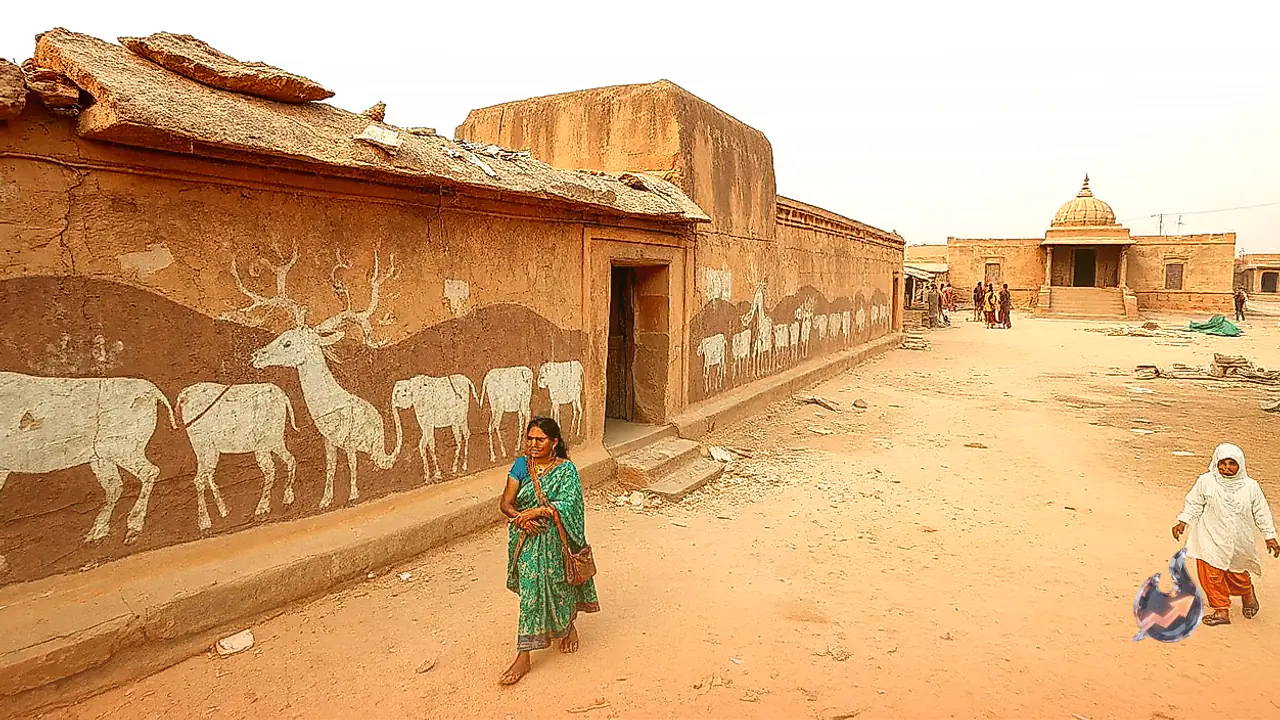
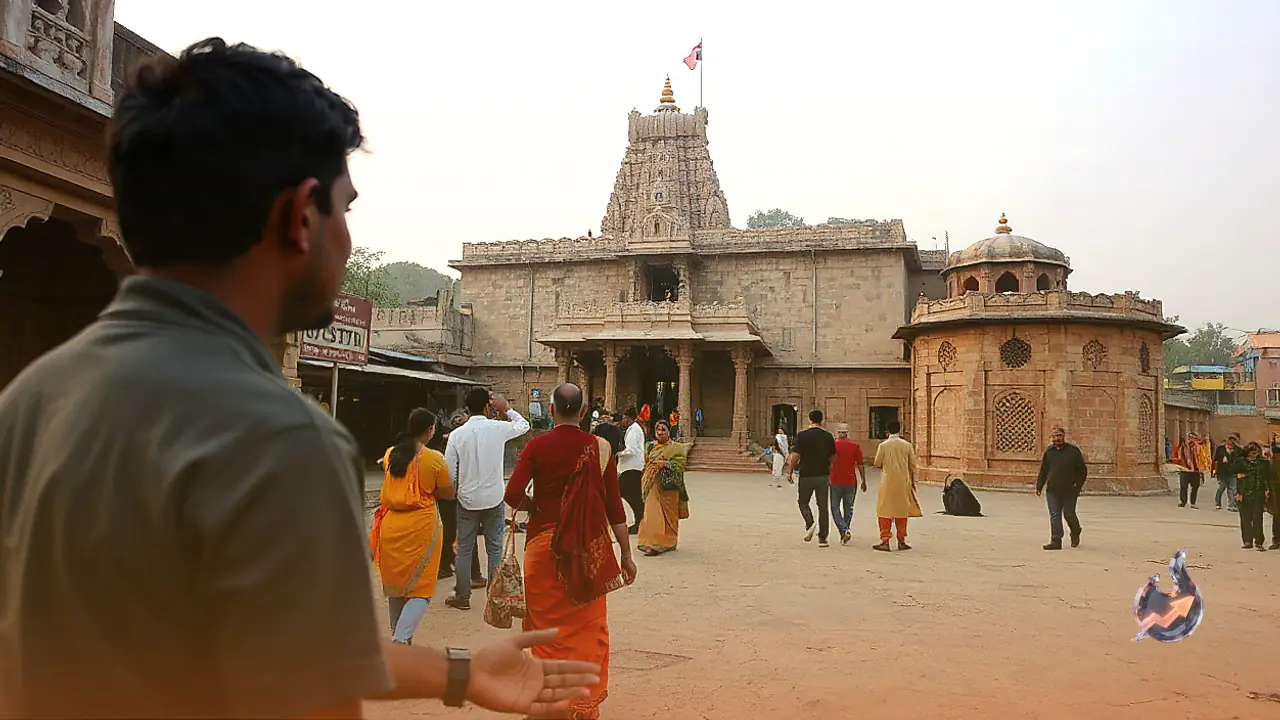
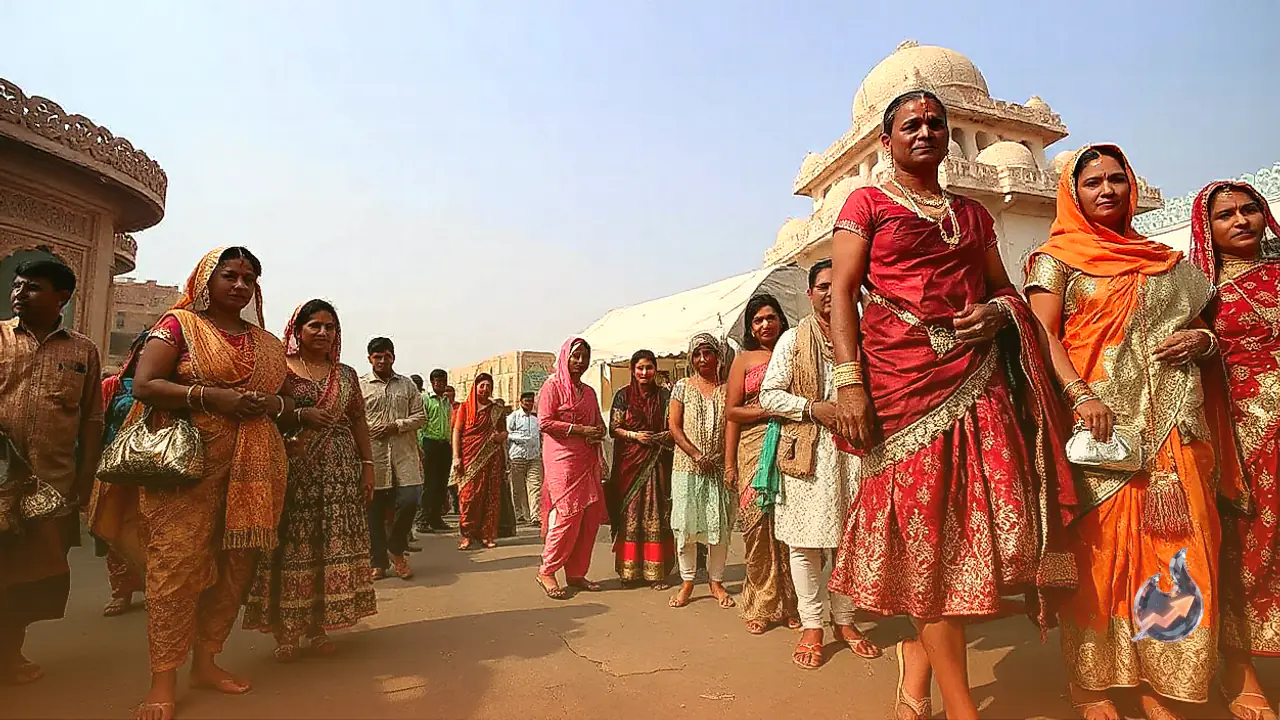















In the Surguja district of Chhattisgarh, the celebration of Diwali does not end simply with lighting lamps, as a unique and traditional cultural practice unfolds in rural areas several days after the festival concludes. People across various villages form groups and visit homes, singing traditional couplets and folk songs to spread messages of mutual love, brotherhood, and social unity. Ramchand Yadav, an elderly resident of Surguja, remains a master of this art form, rendering traditional folk songs with such mastery that listeners are captivated. These musical renditions vividly describe the divine pastimes of Lord Krishna and episodes from the life of Lord Ram, keeping a centuries-old folk tradition alive.
Singing Alongside His Father Since Age Fifteen
Ramchand Yadav shared that when he was about 15 years old, he used to accompany his father to villages to sing Doha-Diwari. During those times, village elders and energetic youth formed troupes and visited each other's homes. Rural residents welcomed them warmly, arranging tea, water, and meals. Additionally, they offered token gifts ranging from 50 to 100 rupees as appreciation based on their financial standing.
Tales of Lord Krishna and Kansa in Folk Songs
Diwari songs prominently feature the childhood stories of Lord Krishna and the tyranny of Kansa. The tale of Kansa executing Devki's children and his rivalry with Lord Krishna is presented by villagers through folk songs in their traditional local dialect. Ramchand Yadav notes that these compositions were created by their ancestors and have been handed down through generations, preserving the heritage.
Exile Narratives of Lord Ram
The Doha-Diwari performances also recount the 14-year exile of Lord Ram. Through folk songs, performers narrate episodes such as Ram's departure for the forest, Mata Sita seeking permission to build a hut, and Lakshman searching for a suitable dwelling place in the wilderness. Villagers use these religious narratives in song form to pass down traditional values to the younger generation.
Starting with Doha and Concluding with Diwari
According to Ramchand Yadav, both Doha and Diwari have distinct identities. The troupe first recites a Doha and then performs the Diwari song. These performances weave together religious lore, local language dialects, rich folk culture, and ancestral customs.
A Two-Hundred-Year Legacy with Modern Rural Enthusiasm
Ramchand Yadav explains that this tradition is roughly 200 years old, and immense enthusiasm for it persists among villagers today. Troupes visit households to sing Doha-Diwari across numerous surrounding settlements including Parpatia, Dakesara, Laliya, Satanadar, Kuniya, and Narmadapur. Youth learn the craft from elders to carry the legacy forward.
Days of Music Following the Festival
This musical tradition begins during Diwali and continues for four to five days. Villagers travel across different communities, performing Doha-Diwari from house to house. Beyond entertainment, this practice serves as a vital medium for strengthening community bonds, brotherhood, and preserving cultural heritage.