






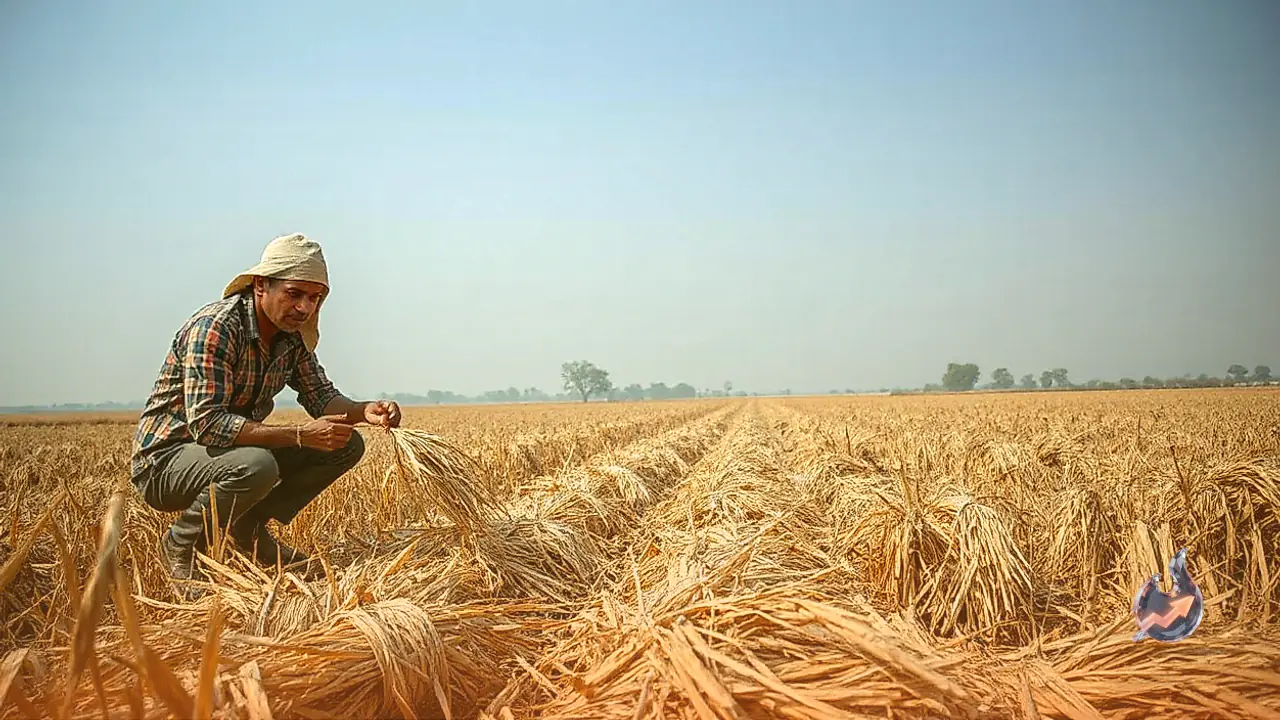
















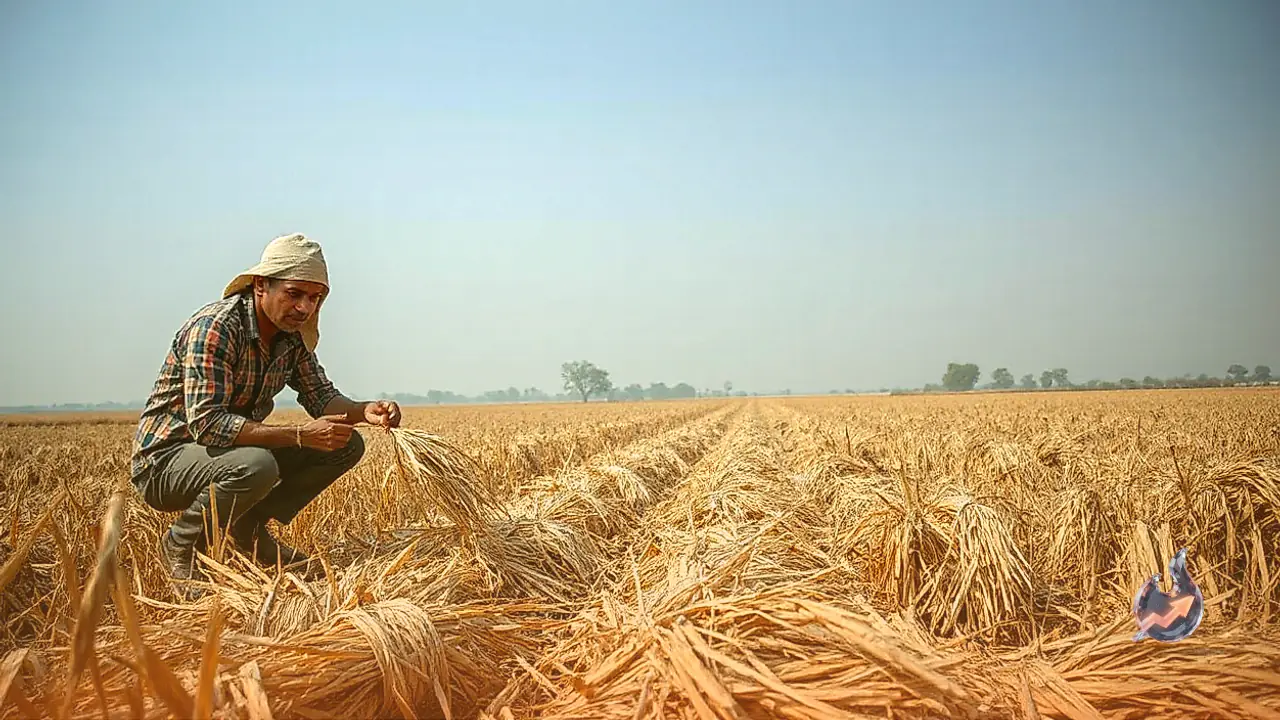

Following the harvest season, farmers routinely burn leftover paddy stubble in their fields after deeming it useless. Setting crop residue ablaze severely damages natural soil fertility while releasing harmful pollutants into the surrounding atmosphere. Yet, this exact agricultural byproduct can become a reliable stream of secondary revenue when processed correctly. In Balod, Chhattisgarh, Krishi Vigyan Kendra scientist Dr Deepshikha Manu Chandrakar outlined an accessible technique that allows farming households to cultivate mushrooms domestically at minimal expense. Quality mushroom spawn packets can be purchased directly through the Krishi Vigyan Kendra for just 30 rupees each.
Preparing Paddy Straw for Cultivation
Successful indoor cultivation depends heavily on sterilization and exact moisture control. Dr Chandrakar explained that growers should begin by pouring roughly 100 litres of clean water into a 200-litre drum and stirring in 2 to 3 kilograms of lime. Next, around 10 kilograms of chopped paddy straw are submerged inside this treated water for 12 to 14 hours. The lime treatment effectively sanitizes the straw by suppressing unwanted microbial competitors.
The following day, the straw is removed and left to drain thoroughly until excess moisture escapes. Maintaining the correct internal moisture level remains critical throughout this stage. The substrate should feel moist to the touch without leaking drops when squeezed firmly in the palm. Growers then fill 12x18-inch polythene bags by layering chopped straw and mushroom spawn alternatively across 4 to 5 tiers. Once filled, the bags are secured tightly with rope, punctured with small ventilation holes at the bottom, and suspended inside a designated growing room.
Fungal Growth and Fruiting Care
Depending on ambient climate conditions and the chosen variety, fungal mycelium typically spreads throughout the substrate within 10 to 15 days. As soon as the fungal network fully permeates the bag, the outer plastic cover is carefully removed. Regular, gentle misting with water must follow to sustain humidity, which stimulates robust pinhead formation and rapid mushroom growth.
Harvest Timelines, Yields, and Viable Varieties
According to the scientist, mature mushrooms begin emerging between 25 and 35 days, influenced by local weather patterns and specific strain traits. The complete cropping cycle lasts approximately one and a half months. A well-maintained bag generally yields between 800 grams and 1 kilogram of fresh mushrooms.
The climatic conditions of Chhattisgarh support multiple commercially viable strains, including Florida mushrooms, Hypsizygus mushrooms suited for colder months, the Sajor-caju variety, as well as pink and oyster mushrooms. By repurposing agricultural residue through this practical method, cultivators eliminate hazardous stubble burning while establishing a dependable source of home-based income.