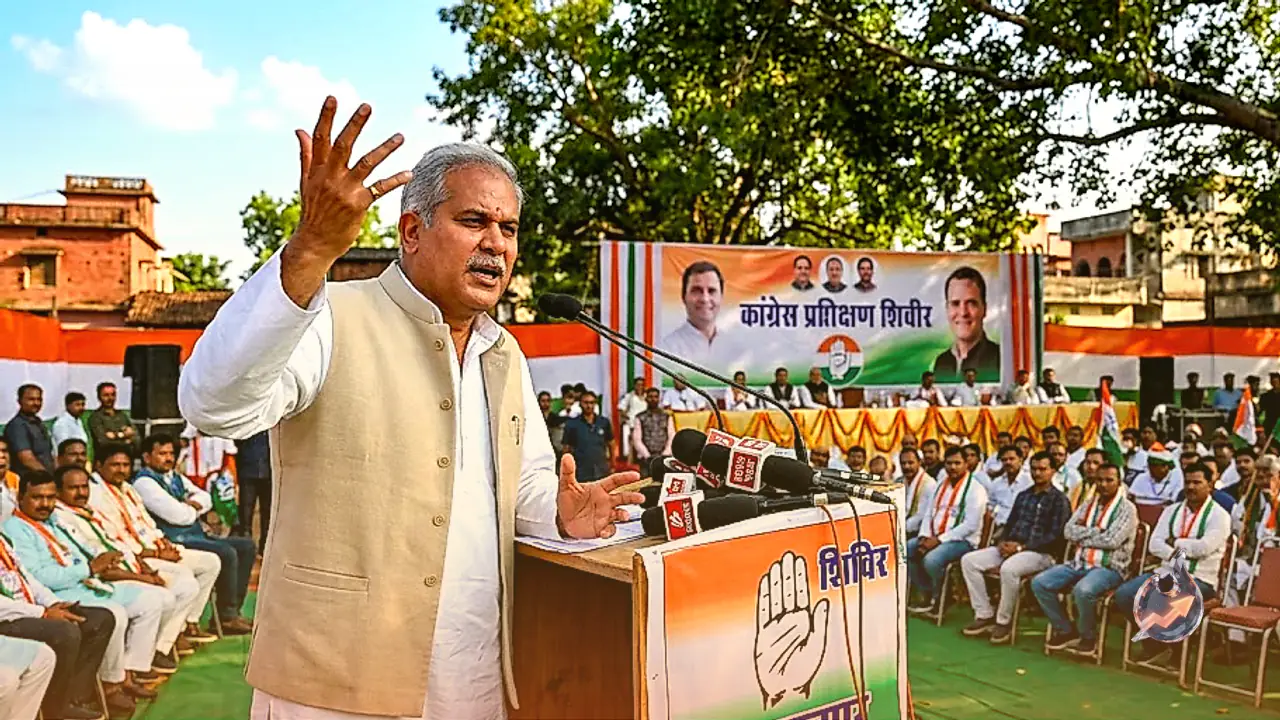
























Chhattisgarh's assembly cleared four significant bills on the third day of its monsoon session in Raipur, with the biggest change coming from amendments to rent control rules that promise to end years of court delays between landlords and tenants. Alongside the rent bill, lawmakers also passed a private university bill, a VAT amendment bill and a GST amendment bill.
Rent disputes must now be settled within 60 days
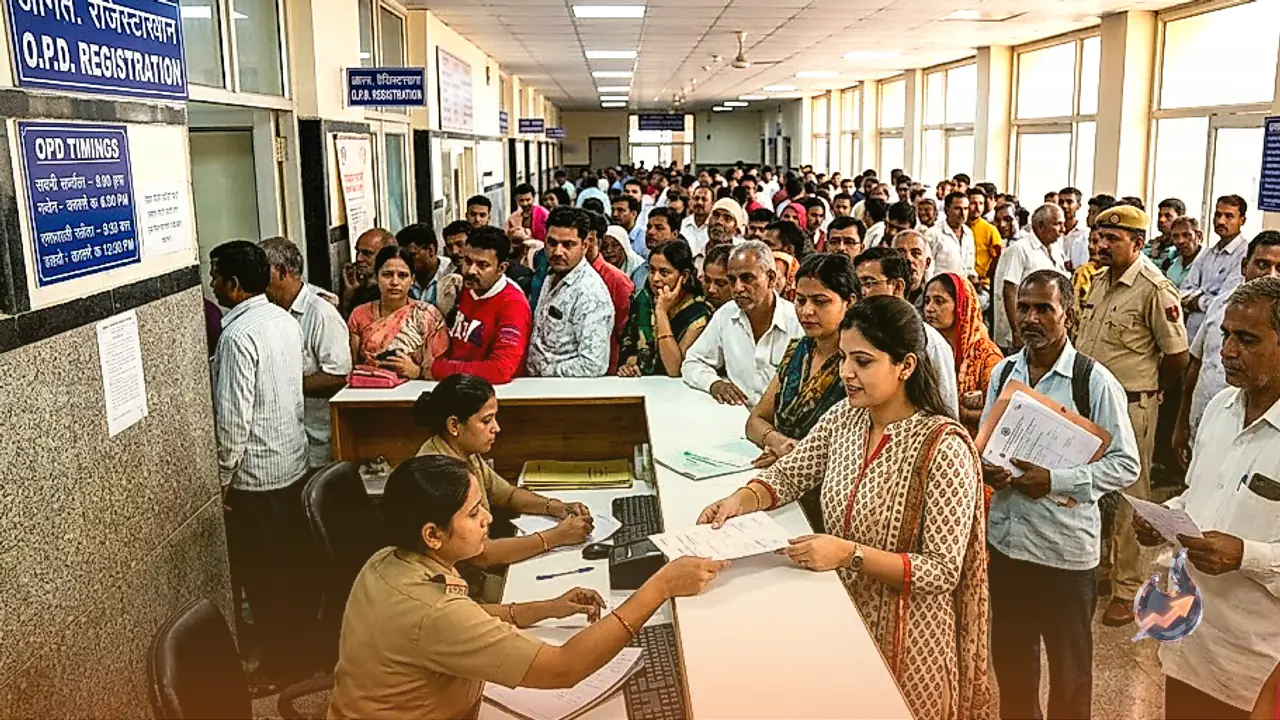
Until now, a dispute between a landlord and a tenant could drag on for years once it reached court, with both sides losing money and time to an endless cycle of adjournments. Under the newly passed Chhattisgarh Rent Control Bill, the Rent Control Tribunal will now attempt to resolve both long-pending and freshly filed cases within 60 days. To stop cases from being needlessly prolonged, the law also caps adjournments, no party in a hearing can be granted more than three postponements. The government expects the move to ease the burden on courts and put an end to tenancy disputes that have dragged on for years.
Agreements now survive even after a landlord or tenant's death
Another key change addresses what happens when an original party to a rental agreement is no longer around. Earlier, a tenancy agreement was considered binding only on the original landlord and tenant. Under the new provision, if either party dies or another such circumstance arises, the same terms and conditions will fully apply to their legal heirs. This is expected to significantly cut down on succession disputes that often break out among family members over rented property. The bill also gives legal recognition, for the first time in Chhattisgarh, to the role of a property manager, with clearly defined rights, responsibilities and consequences for any wrongdoing.
Opening a private university just got easier
The same session also delivered a major decision on higher education. With the passage of the Chhattisgarh Private University Establishment and Operation Amendment Bill-2026, setting up a private university in the state will now be considerably easier. The old requirement of holding at least 15 acres of land in urban areas and 25 acres in rural areas has been scrapped entirely. That doesn't mean standards have been diluted, though, university promoters will still have to comply with UGC norms. In place of the land requirement, the government has now set conditions around a minimum built-up area, necessary infrastructure and financial benchmarks that must be met.
A new security deposit requirement
Alongside dropping the land condition, the government has added a fresh financial requirement. Anyone looking to open a private university in tribal or scheduled areas will now need to deposit a security fund of Rs 1 crore, while those setting up in general areas will need to deposit Rs 3 crore. This deposit is meant to serve as a safeguard in case of any irregularities.
From 115 universities down to just 21
The rules governing private universities in Chhattisgarh have an interesting backstory. After the state was formed in 2000, the Ajit Jogi government had allowed private universities to be set up without any land requirement at all. That relaxation led to a rapid mushrooming of 115 private universities across the state, several of which were being run out of houses with just two or three rooms. Even so, these universities together had around one and a half lakh students enrolled. When the matter reached the Supreme Court, the court's order led to a new law in 2005 that introduced the 15 and 25 acre land conditions. That stricter rule is the reason only 21 private universities are currently operating in the state. The government has now made the rules practical once again, opening up the path to higher education, though this time the emphasis has shifted from land size to quality related benchmarks.
VAT and GST amendment bills also cleared
On the same day, the assembly also passed a VAT Amendment Bill and a GST Amendment Bill. Combined with the rent control and private university bills, four bills in total were passed that day.