





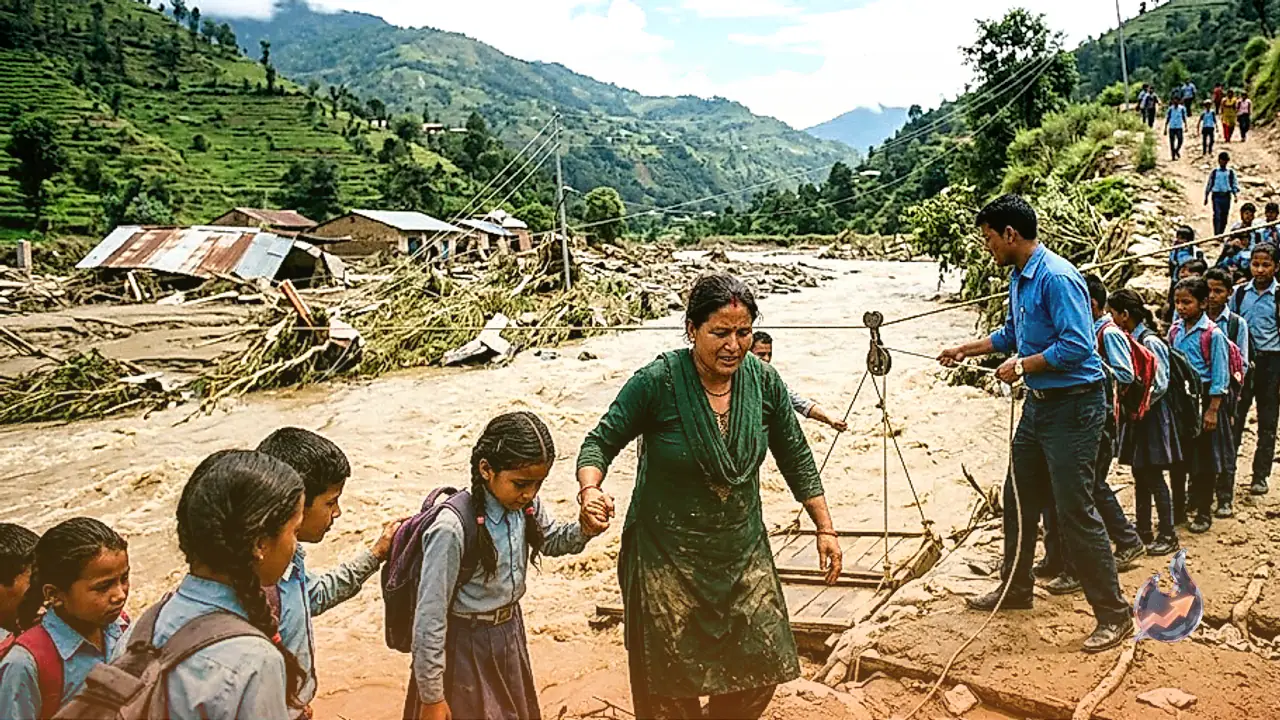


















Torrential monsoon rain has unleashed disaster across parts of China, with floods triggered by relentless downpours in the Guangxi region claiming 39 lives so far. Nine people are still reported missing, and rescue and relief teams are working around the clock, wading through flooded streets and debris to search for survivors and pull people out of the worst hit areas. July and August are peak monsoon months across much of Asia, and this year the rains have turned unusually destructive, leaving people largely helpless in the face of rising water.
Dam collapse in Nanning turns deadly
At a press conference, Chinese officials said most of the deaths occurred in Nanning city, where a dam collapse sent a wall of water surging into nearby settlements. The flooding happened so quickly after the dam gave way that residents had little time to react, and the surge caused extensive damage to homes, farmland and roads in the surrounding areas. Authorities are now working to determine what caused the dam to fail and how the damage can be contained.
Jilin province also battling worsening conditions
Thousands of kilometres away in Jilin province, the weather has created a fresh crisis of its own. Days of continuous heavy rain, driven by the effects of Typhoon Bavi, have left the region battling worsening conditions. Given the severity of the situation, local authorities have raised the emergency flood warning to Level 3, a step meant to speed up relief operations and put more resources on the ground.
Rivers breach danger marks
The sustained rainfall has triggered the first major flood of the year on the Songhua river, while water levels on the Meihe river have climbed to their highest point on record, a development experts describe as a serious warning sign in itself. Forecasters say the entire Huifa river could soon see its water level cross the designated warning threshold, raising the risk for communities living along its banks. Authorities have urged residents to stay alert. Officials say several regions remain at risk of sudden flooding, flash floods in hilly terrain, landslides, and mounting pressure on both small and large dams. Waterlogging in urban areas could also turn serious, threatening to disrupt daily life for large numbers of people in the affected cities.
More rain forecast in the days ahead
China's Ministry of Water Resources has forecast that the rain will continue over the coming days rather than ease off. According to the meteorological department, light to heavy rain is expected in the eastern parts of northwest China through Friday, while several areas in Shaanxi and Shanxi provinces are likely to see very intense rainfall in the days ahead. The ministry has warned that water levels in the Yellow river and its tributaries could rise rapidly, and that a number of small and medium rivers may also flow above the danger mark in the coming days. In response, the government has directed the relevant departments to maintain constant monitoring of the situation, issue timely warnings to residents in vulnerable areas, and accelerate relief efforts on the ground so that further loss of life can be avoided.