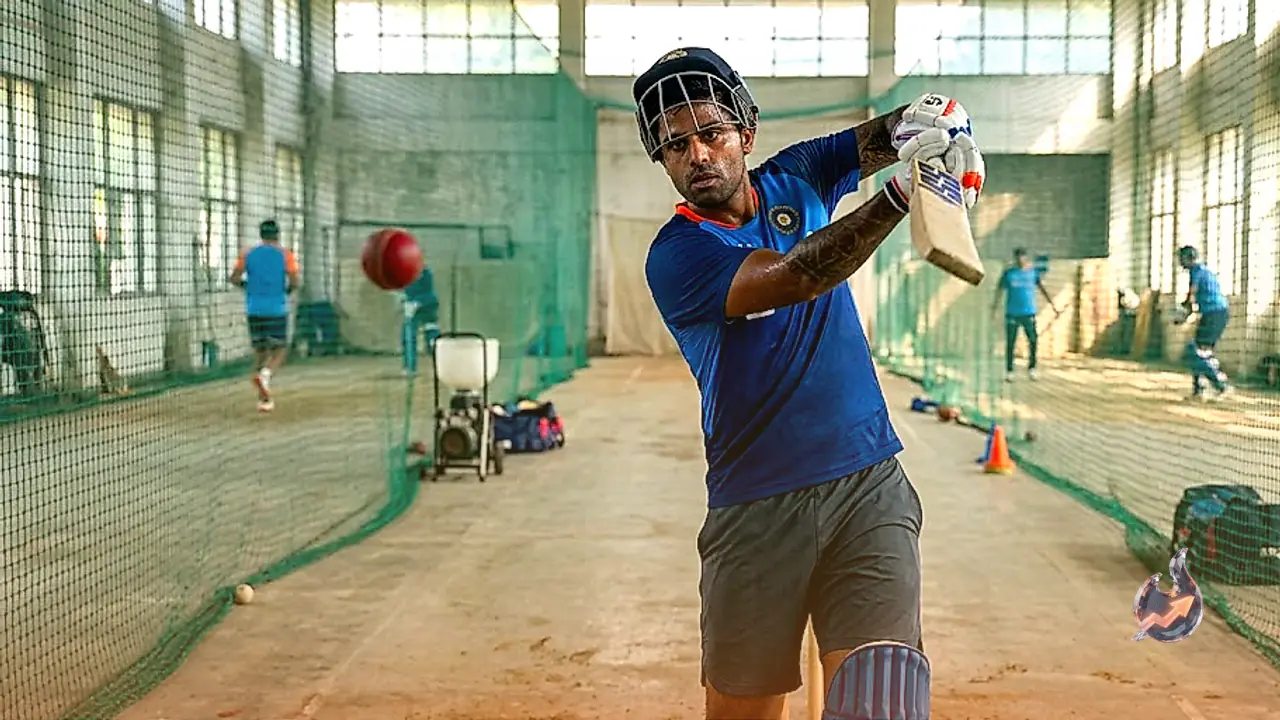





















Whenever a teenage sensation bursts onto the international cricket scene with extraordinary talent, it inevitably triggers a wave of massive expectations alongside equal measure of anxiety. India's 15-year-old explosive batting prodigy, Vaibhav Sooryavanshi, has captured global attention with his recent exploits. His rapid rise has drawn keen observation from several legendary figures across the cricketing fraternity, including Sri Lanka's 1996 World Cup-winning captain Arjun Ranatunga. Having entered the international arena himself as a teenager, Ranatunga offered a serious, deeply reflective perspective on the young player's career trajectory. He firmly believes that rather than subjecting a 15-year-old boy to overwhelming pressure, he should be allowed the complete freedom to enjoy his natural game and experience his childhood.
The Hidden Hazards of Commercial Hype and Corporate Pressure
Arjun Ranatunga asserted that forming premature, definitive judgments about Vaibhav Sooryavanshi at such a young age is highly inappropriate. He emphasized that the prodigy remains a child who deserves the space to mature naturally. In modern cricket, the immediate influx of player managers, corporate agents, and lucrative endorsement deals surrounding teenage talent poses a significant threat to long-term athletic development. Ranatunga cautioned that if a player becomes entangled in commercial glamour so early in life, both mental focus and on-field execution can quickly deteriorate. Consequently, the most urgent priority for mentors and administrators is to shield the youngster from external noise and commercial market pressures.
T20 Entertainment vs The Ultimate Test of Test Cricket
Drawing a clear distinction regarding formats and technical fundamentals, the Sri Lankan stalwart addressed Vaibhav's reputation as an aggressive short-format batter. Ranatunga noted that while T20 cricket allows a player to become an entertaining crowd-pleaser, the true examination of a batter's temperament and technique takes place in Test cricket. To sustain a long, distinguished career on the international stage and evolve into a complete cricketer, Vaibhav must continuously refine his core technical foundation. Ultimately, the choice rests entirely with Vaibhav himself: whether he wishes to remain satisfied as an exciting short-format entertainer or strive to establish his legacy as a great batsman through the rigorous demands of Test cricket.
Invaluable Lessons from Indian Cricketing Stalwarts
Highlighting the rich ecosystem of cricketing wisdom available within India, Ranatunga pointed out that Vaibhav enjoys access to some of the finest mentors in the sport. He cited legendary Indian figures such as Sunil Gavaskar, Mohammad Azharuddin, Sachin Tendulkar, Rahul Dravid, Sourav Ganguly, and VVS Laxman. Recalling his own formative years, Ranatunga shared how Sri Lankan cricketers of his generation honed their craft by studying the techniques of Indian icons like Sunil Gavaskar and Gundappa Viswanath. He urged Vaibhav to tap into this immense wealth of knowledge to understand how to navigate adverse match situations and overcome difficult phases in a professional career.
Ranatunga's Personal Journey: Mentorship under Sir Garry Sobers
Ranatunga's advice is deeply rooted in his personal journey as a prodigy. He was discovered during his school days by the legendary all-rounder Sir Garry Sobers, who coached and shaped the Sri Lankan team from their inaugural Test match in 1982 through the 1983 World Cup. Ranatunga subsequently led Sri Lanka to their landmark 1996 World Cup triumph and consistently stood up for player rights and dignity against administrative authorities. At 62 years of age, despite holding no official administrative post, his understanding of the game's core pulse remains sharp. His guidance serves as a vital reminder not just for Vaibhav Sooryavanshi, but for every emerging cricketer navigating the fine line between early fame and foundational discipline. In the long marathon of international cricket, solid technique, wise mentorship, and patience remain an athlete's strongest assets.