





















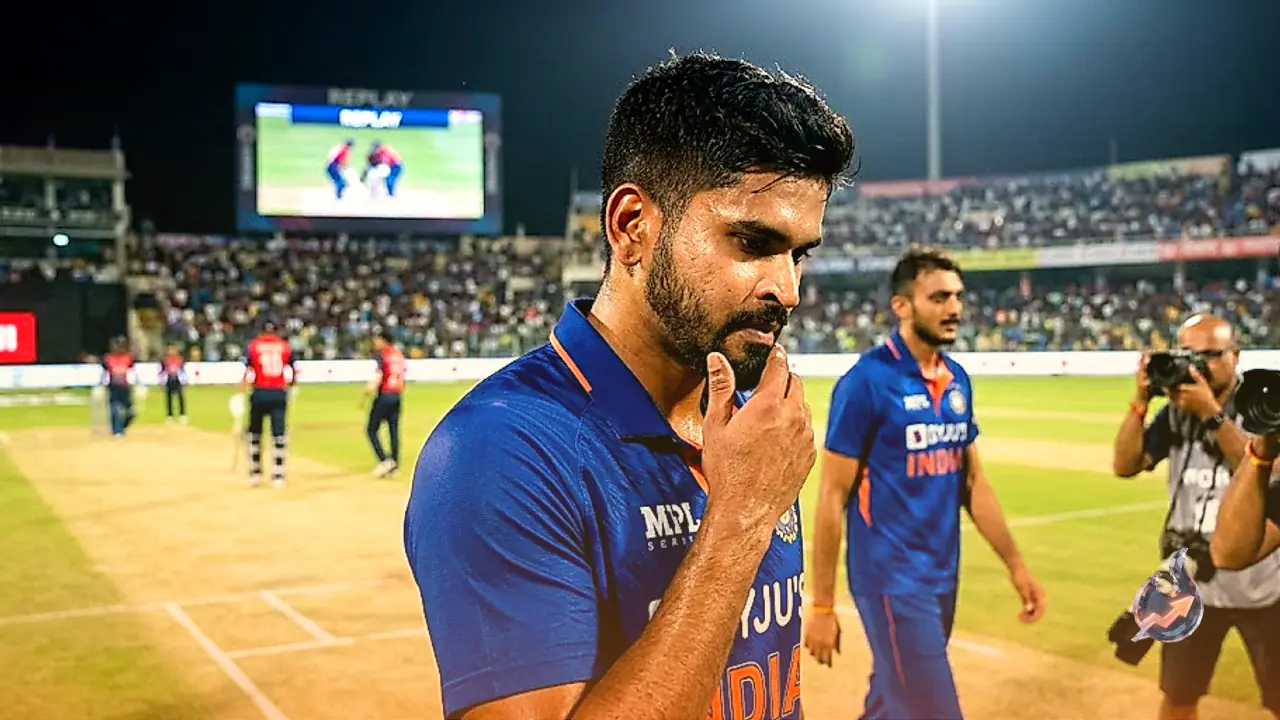

Modern professional cricket often prioritises winning at any cost, occasionally overshadowing long-held ideals of sportsmanship and fair play. A contentious manifestation of this win-at-all-costs mindset unfolded during a high-stakes clash against Japan, leaving spectators and cricket enthusiasts deeply unimpressed. The Indian squad, captained by Shreyas Iyer and featuring bowler Axar Patel, found themselves at the centre of widespread ridicule after using their stature to overturn a crucial umpiring verdict. The incident has led many observers to question whether a reigning world champion side should stoop to such tactics against an emerging cricketing nation.
Severe Dissent Following Crucial Leg-Side Call
The controversy ignited during the climactic final over of a truncated five-over encounter. Left-arm spinner Axar Patel was tasked with defending India's narrow lead in the deciding moments. During the over, Patel sent down a delivery drifting well beyond the leg stump line. Adhering to the standard playing conditions, the on-field umpire immediately signalled a wide ball. However, the decision triggered an immediate and aggressive reaction from the bowling side. Bowler Axar Patel and skipper Shreyas Iyer promptly confronted the official, demanding a reversal of the call and bringing their team's heavy reputation into play.
Faced with intense resistance from the Indian leadership, on-field umpires Chris Thurgate and Brown converged in the middle of the pitch to confer. Following their mid-wicket consultation, the officiating duo retracted the wide call, deeming the delivery legitimate. This abrupt capitulation raised immediate ethical questions regarding whether a global cricketing powerhouse had acted within reasonable sporting standards by badgering the officials into changing their minds.
The Decisive Delivery in the Fifth Over
The pivotal moment took place on the third ball of that tense fifth over, with Japanese left-handed batter Alexander Shirai stationed at the crease. Facing significant pressure, Axar Patel prepared to deliver a ball capable of dictating the match's ultimate outcome. Interestingly, just prior to this delivery, Patel had already conceded a wide while Shirai attempted a reverse sweep stroke, an instance where the umpire felt no hesitation in awarding the extra run.
On the subsequent delivery, Shirai attempted another reverse sweep, but Patel's line drifted even wider down the leg side than the previous attempt. When the umpire raised his arms to signal another wide, commotion erupted in the Indian camp. Shreyas Iyer and Axar Patel pressed the umpire vigorously, insisting that the batter had shifted his stance to play the reverse sweep, which in their view negated the wide delivery. Under persistent badgering, the umpires cancelled the wide call, enabling India to escape with a slender two-run victory. Had the original decision stood and the extra run been granted, the contest would have ended in a dramatic tie.
Technical Interpretations and ICC Switch Hit Protocols
Under official International Cricket Council guidelines, if a batter initiates a reverse hit or switch hit right before or during the bowler's point of release, both sides of the wicket are treated as the off side regarding wide adjudication. Citing this clause, the umpires reasoned that because the batter adjusted his positioning in the crease, the leg-side wide dispensation had to be rescinded.
However, closer scrutiny of match replays reveals a critical technical distinction. Visual evidence demonstrated that Alexander Shirai never altered his hand grip; he merely executed a conventional reverse sweep attempt. The contradiction becomes even sharper considering that on the immediately preceding ball, Shirai attempted an identical reverse sweep and was duly granted a wide. This glaring inconsistency leaves open the question of how two nearly identical sequences could produce entirely opposite officiating rulings within a matter of seconds.
Backlash Mounts Over Pressuring Umpires Without DRS
A primary point of contention among fans and cricket analysts is the timing of Shirai's movement, as footage indicated the batter adjusted his stance relatively late, well after the ball had left the bowler's hand. With the Decision Review System unavailable in the fixture, the spectacle of an elite Indian lineup strong-arming match officials into altering their decision sparked substantial outrage across digital forums. On social media platforms such as Twitter, debates raged over the ethics of the encounter, with critics pointing out that even if the officials made a judgement error, an experienced international side had no business intimidating umpires simply to edge past an underdog team like Japan.