




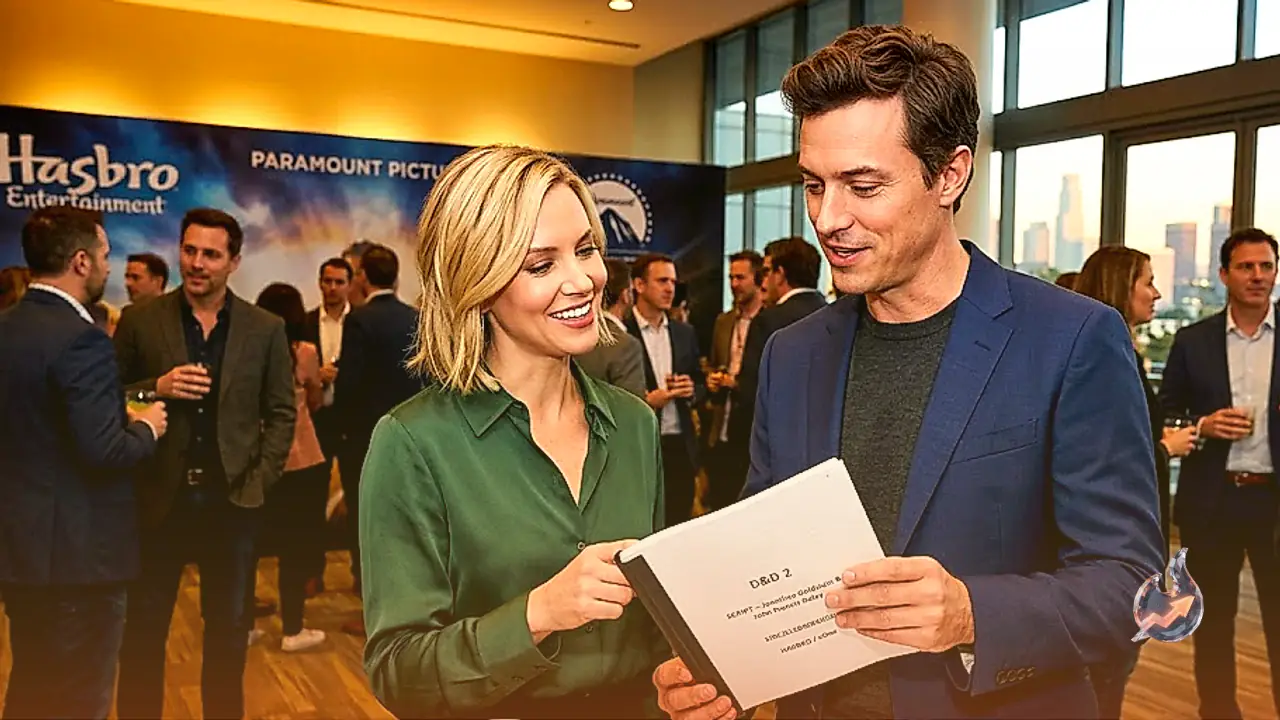














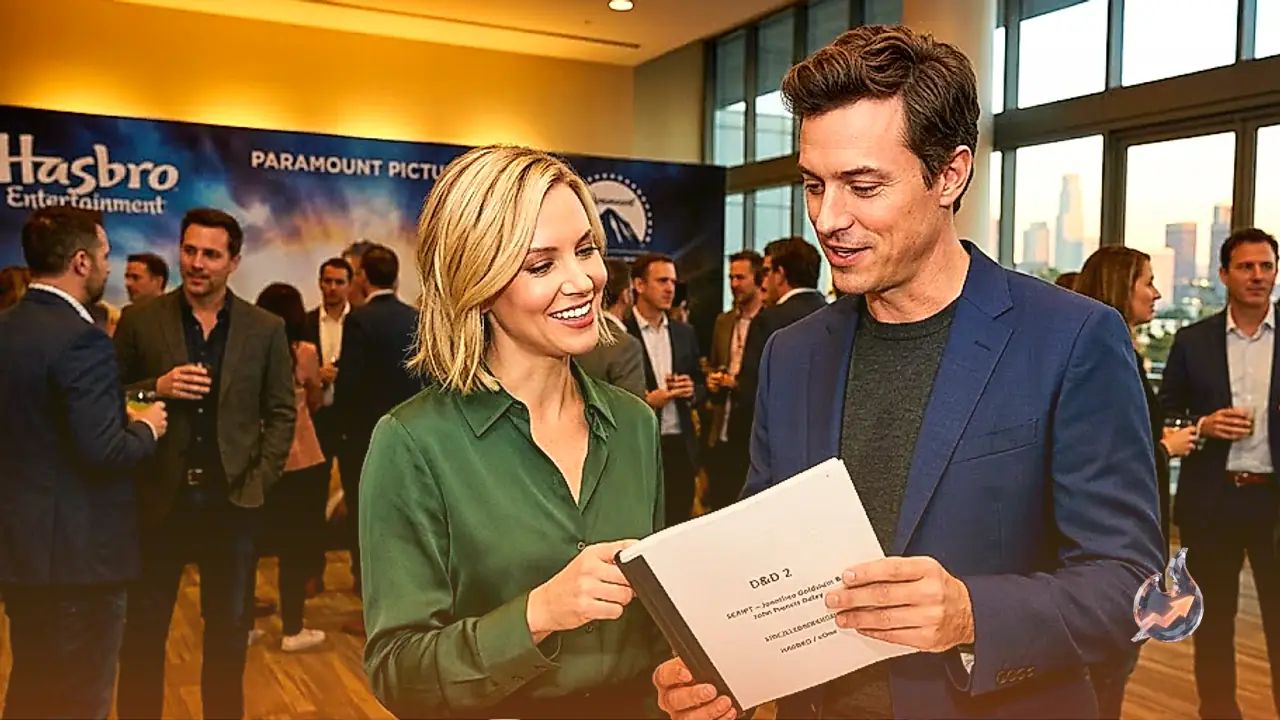

Fans of modern fantasy cinema who appreciated the witty, high-energy charm of Dungeons & Dragons Honour Among Thieves might still have reason to celebrate. Despite facing a modest theatrical run that complicated franchise expansion plans, directors Jonathan Goldstein and John Francis Daley have not closed the book on the property. The filmmaking duo has penned a complete script for a proposed sequel, and the foundational enthusiasm from intellectual property holders remains firmly intact.
Hasbro Backs the Vision While Funding Challenges Persist
Speaking on the realistic prospects of reviving the tabletop adaptation for another cinematic chapter, Jonathan Goldstein noted that optimism remains justified. He revealed that the team successfully wrote a screenplay capable of serving as a fully realized feature film. Furthermore, toy and entertainment giant Hasbro is very supportive of transforming that written draft into an active production. However, navigating the modern studio landscape with a big-budget fantasy title presents undeniable financial hurdles.
The principal barrier remains securing a dedicated co-financing entity willing to shoulder the heavy production investment. Goldstein remarked that the project essentially needs a partner to move forward, joking that any billionaire tabletop gaming enthusiasts should step forward to finance the venture. Without a substantial backer to share the developmental costs, advancing from a completed manuscript to physical production remains a complex negotiation.
Expanding Character Dynamics Without Lengthy Exposition
The original theatrical outing crossed just over $200 million globally, a modest total against a demanding visual effects budget that left theatrical profitability tight. Co-director John Francis Daley reflected that the creative team entered the writing process fully aware that a greenlight was never assured, given the steep expense associated with mounting high-concept fantasy adventures. Despite the uncertain odds, crafting the follow-up draft proved immensely rewarding on an artistic level.
Daley explained that writing the second installment allowed the filmmakers to skip the cumbersome introductory mechanics often required by the genre. Having already established the core group dynamics and emotional bonds across the preceding chapter, the new screenplay could dive directly into substantive adventures without spending the opening act laying out ground rules or world-building exposition. For now, the completed screenplay awaits an adventurous financial patron willing to bring the chaotic party back to the screen.