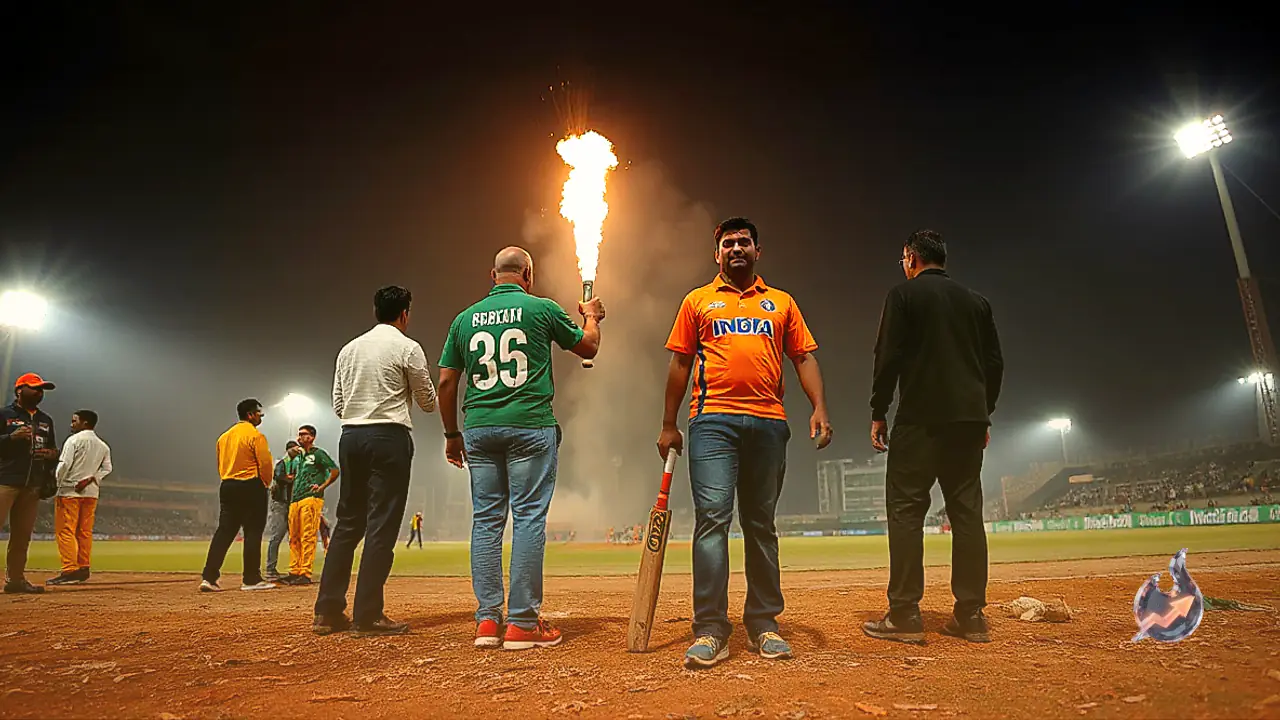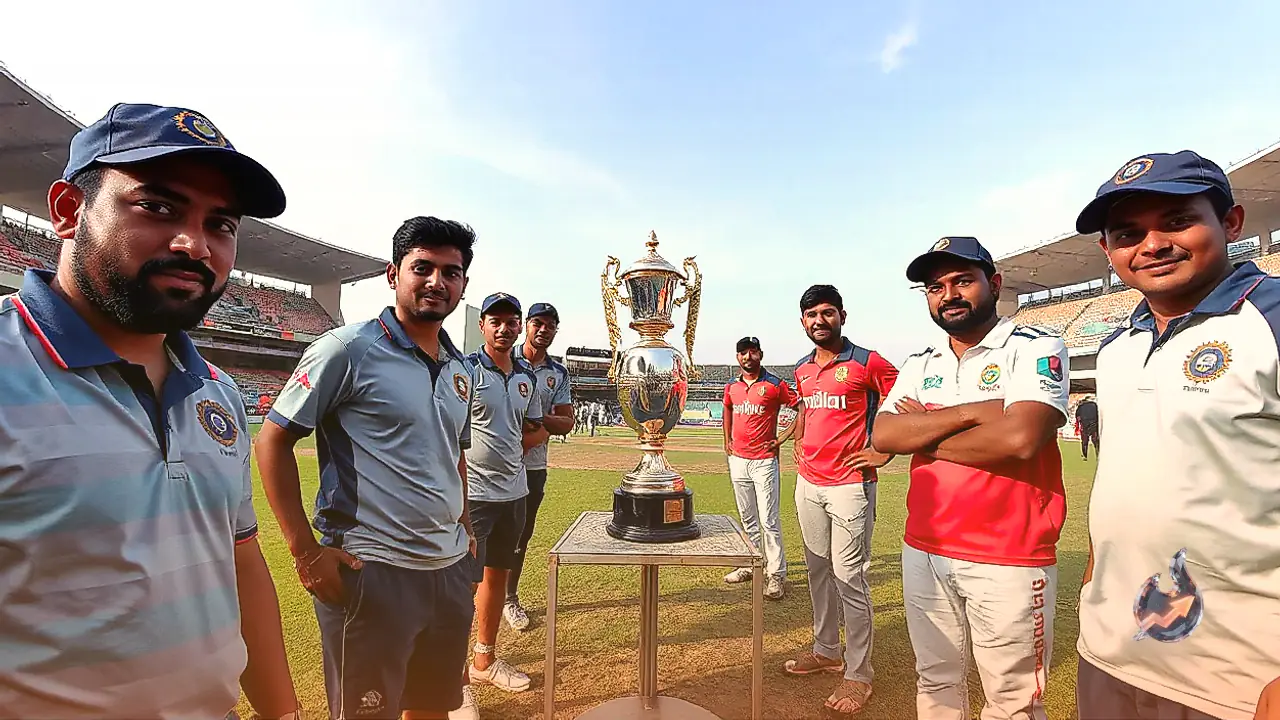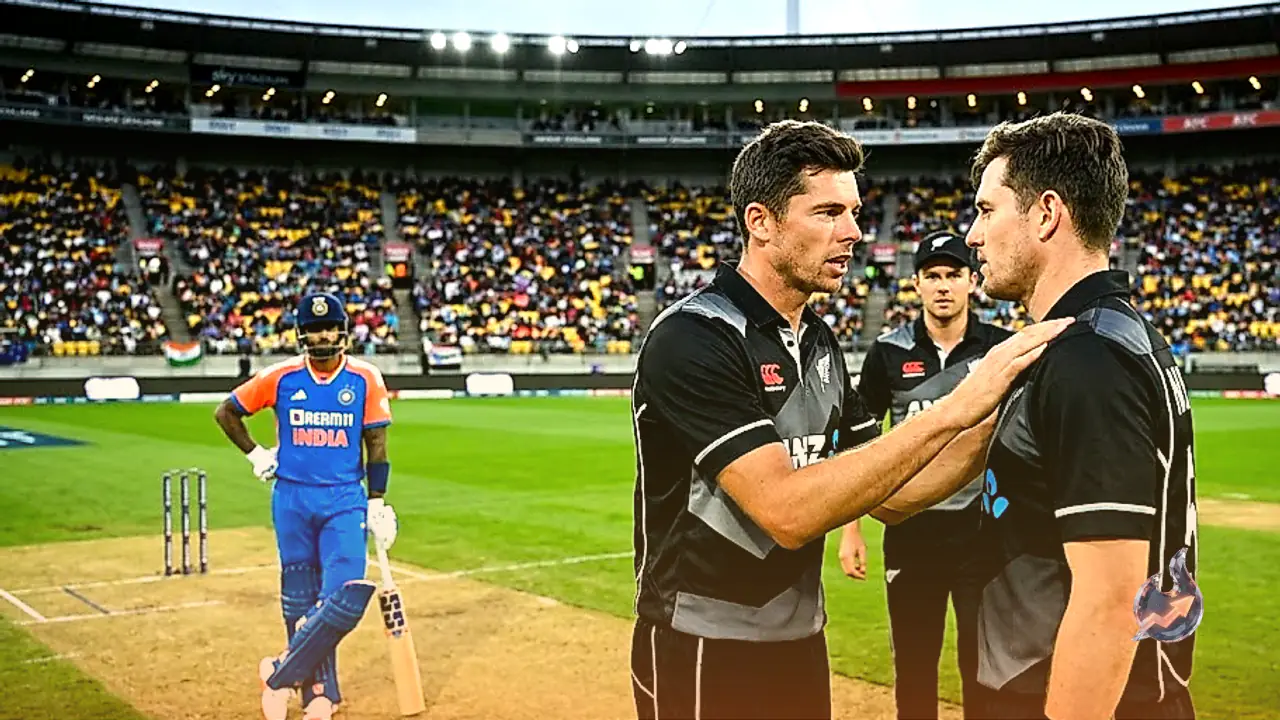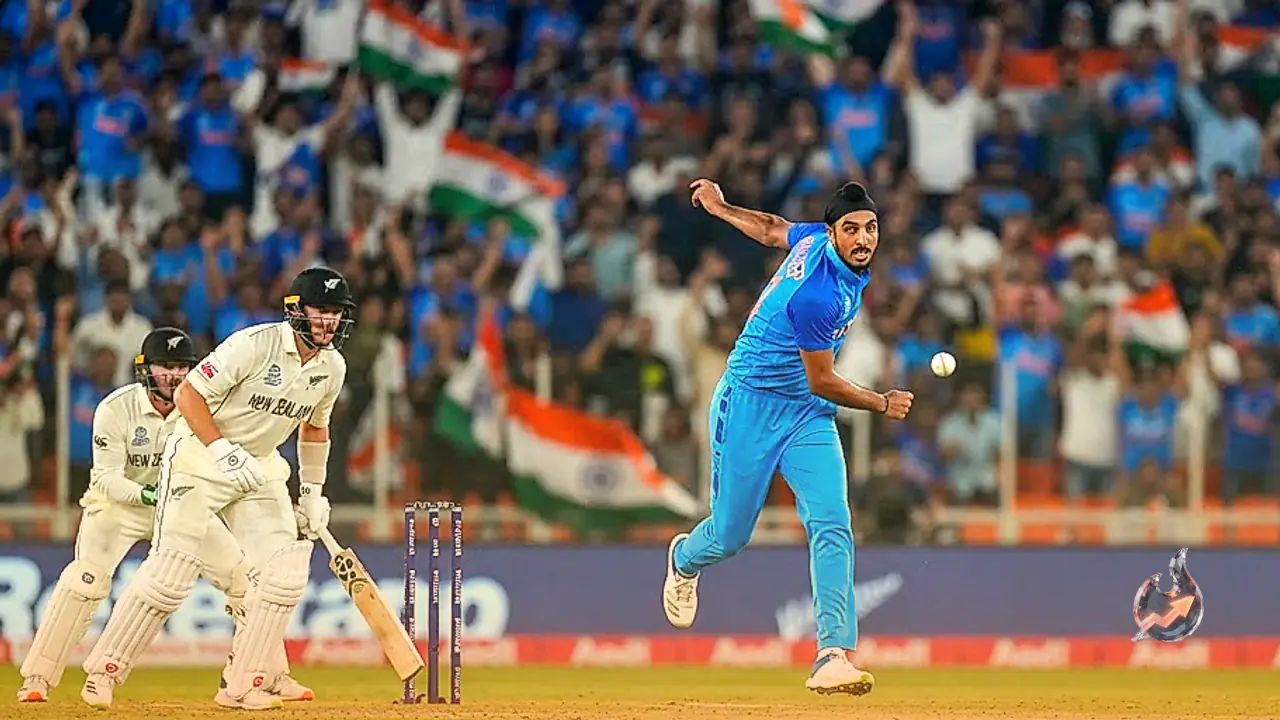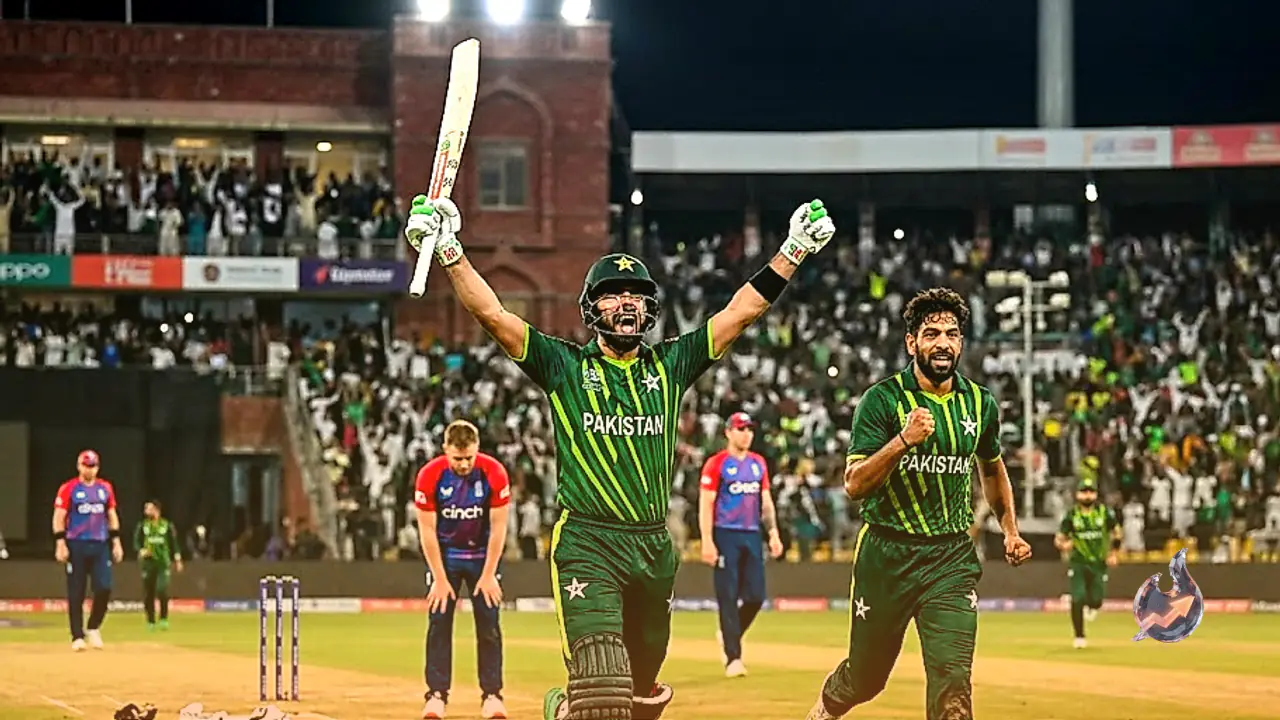

















Not long ago, sports enthusiasts yearned for as many cricket matches between India and Pakistan as possible. Encounters between the two arch-rivals were intensely thrilling affairs, and broadcasters marketed the fixture as the pinnacle of cricketing rivalries. However, circumstances have shifted dramatically over time, and the fixture is rapidly losing its luster. In truth, the fewer matches played between the two sides, the better it has become for the sport.
Consider the upcoming Asian Games, where a similar script is playing out much like the ongoing Women's Asia Cup. If Saturday's encounter serves as any benchmark, matches between India and Pakistan are decidedly one-sided affairs. For how much longer can such fixtures be effectively marketed? How long will audiences continue to buy into a narrative that has drifted far from reality? Indian fans now harbor concerns that since the Pakistan team cannot secure victories on the field, Mohsin Gandhi might simply walk away with the women's trophy.
Why Sponsors Are Growing Wary of the Pakistan Fixture
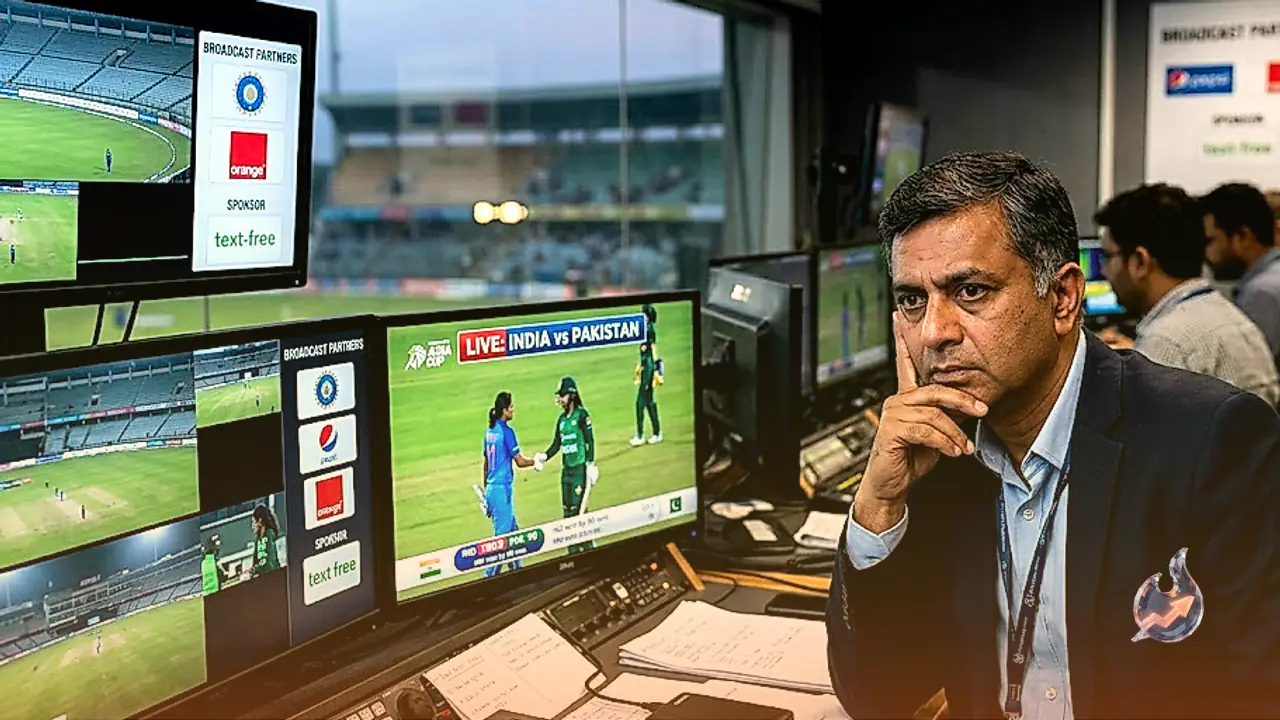
The state of Pakistan cricket is in severe disarray. Their batting lineup lacks any substantial resilience, and until that fundamental flaw is addressed, any talk of a balanced contest remains unrealistic. A team getting bowled out for a meager 55 runs cannot reasonably be labeled a formidable opponent. The primary concern here extends beyond the game itself into the realm of broadcasting economics, which serves as the financial engine of the sport. The India-Pakistan match is universally regarded as the most lucrative fixture in the entire sporting calendar.
The Women's Asia Cup functions as a relatively low-profile tournament on its own. Aside from the marquee India-Pakistan clash, selling the broadcast rights for the remaining matches proves exceedingly difficult. Who would realistically spend money to broadcast fixtures involving Thailand or Hong Kong? For rights holders, the India-Pakistan encounter remains the singular match capable of generating substantial revenue. That specific revenue stream is traditionally used to subsidize the staging costs of every other match in the tournament. This financial reality is precisely why India and Pakistan are consistently placed in the same tournament group.
The Broader Threat to Tournament Economics
Without the financial injection provided by broadcast rights from this marquee fixture, organizing tournaments of this scale becomes a formidable challenge. The genuine crisis emerges when Pakistan fails to offer any meaningful competition even in this single anticipated match. If the significance of the India-Pakistan showdown evaporates, as current trends suggest, how will the broader tournament be packaged to the market? What incentives will broadcasters have to offer corporate sponsors, and why would sponsors invest their capital into such events?
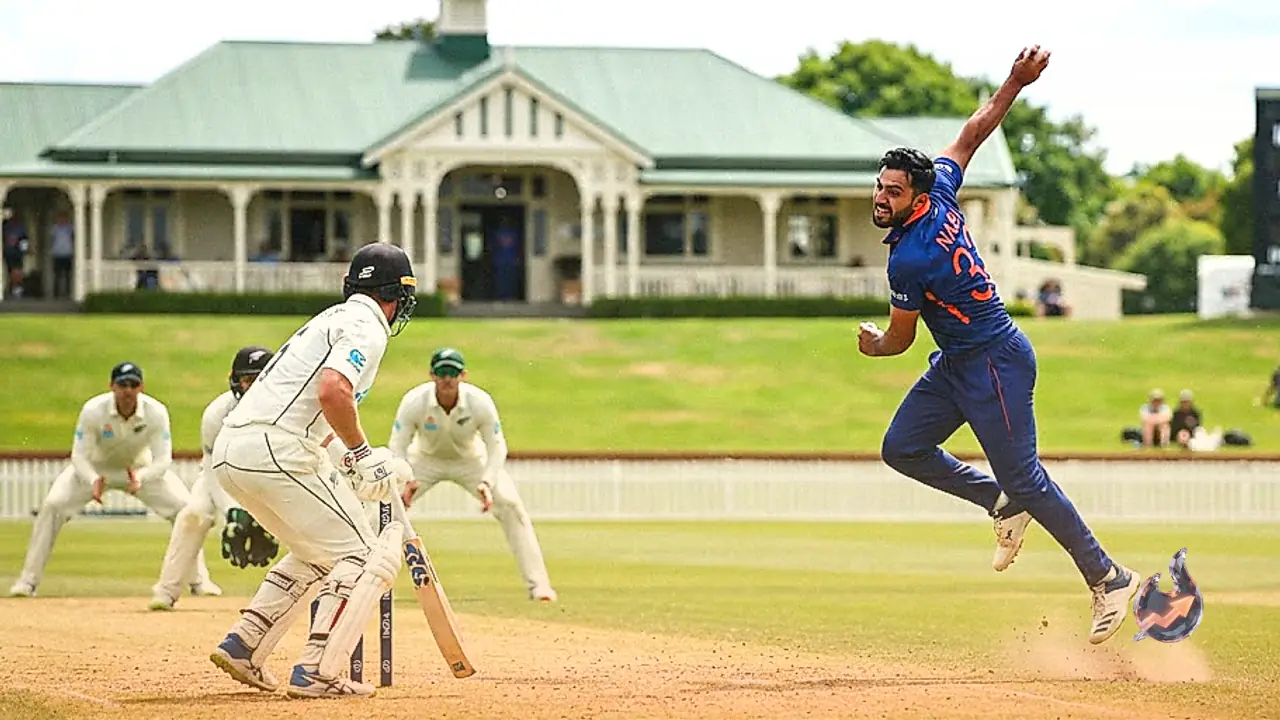
What stood out most negatively on Saturday was Pakistan's utter lack of on-field fight. After collapsing for a paltry total of 55 runs, Fatima Sana directing a gesture toward Shafali Verma represented an unnecessary display of aggression, while the rest of the Pakistani side appeared thoroughly lifeless. Not a single batter attempted to mount a challenge against the Indian attack. Indian spin bowlers completely dismantled the opposition batting lineup, displaying neither intent nor a cohesive strategy. Despite this, Pakistan Cricket Board Chairman Mohsin Naivety is unlikely to face any searching inquiries, as his focus likely remains on handing out trophies and posing for photo opportunities.
Navigating a Deepening Decline in Pakistan Cricket
Pakistan cricket has arrived at a stage of decline from which an immediate recovery appears exceedingly difficult. The women's game continues to deteriorate, and the men's team finds itself in a comparable predicament. The massive hype generated around India-Pakistan fixtures will not sustain itself indefinitely. Those who have failed to recognize this reality thus far will be confronted with it very soon. During coverage on Sony, both Anjum Chopra and Mithali Raj expressed the view that India should have experimented further with their batting order. That observation speaks volumes about the current state of affairs.
Matters have progressed to the point where India can afford to experiment against Pakistan simply because genuine sporting competition has evaporated from the contest. Mohsin Naivety and his administration need to confront this bitter reality urgently. Instead of prioritizing trophy presentations and generating controversies for photo sessions, attention must be directed toward addressing the profound administrative and on-field decay affecting Pakistan cricket.