





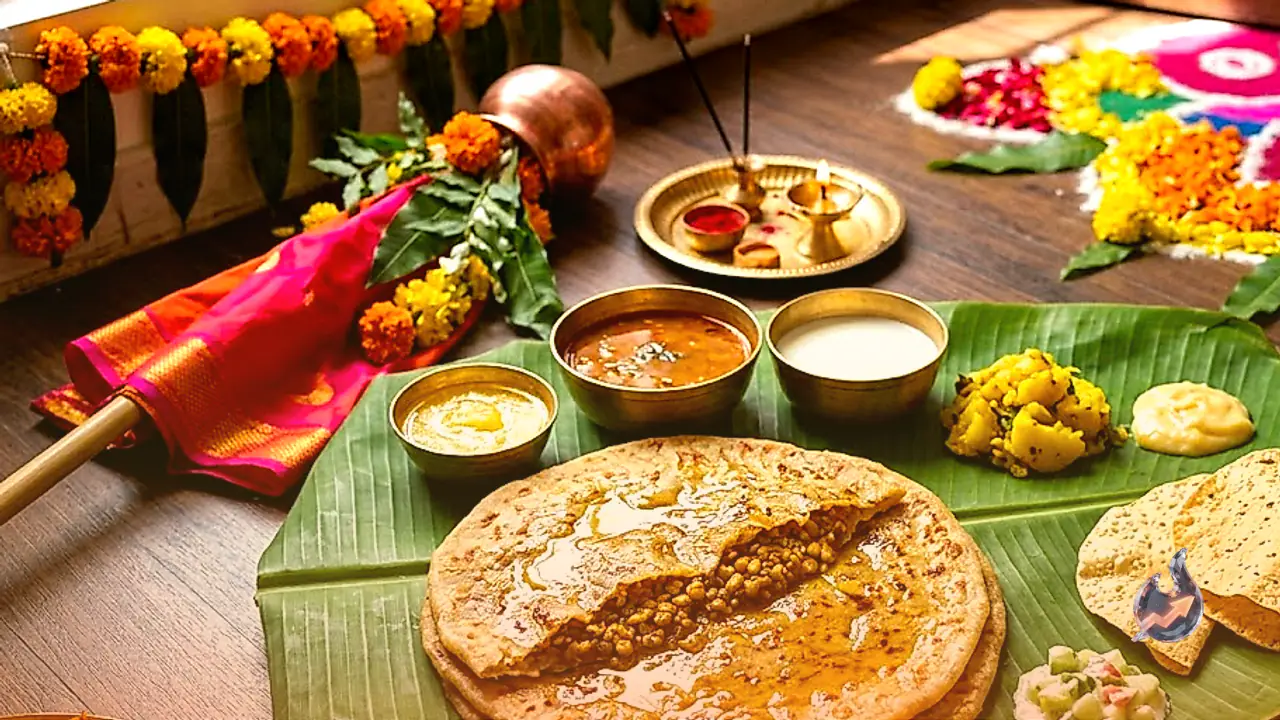















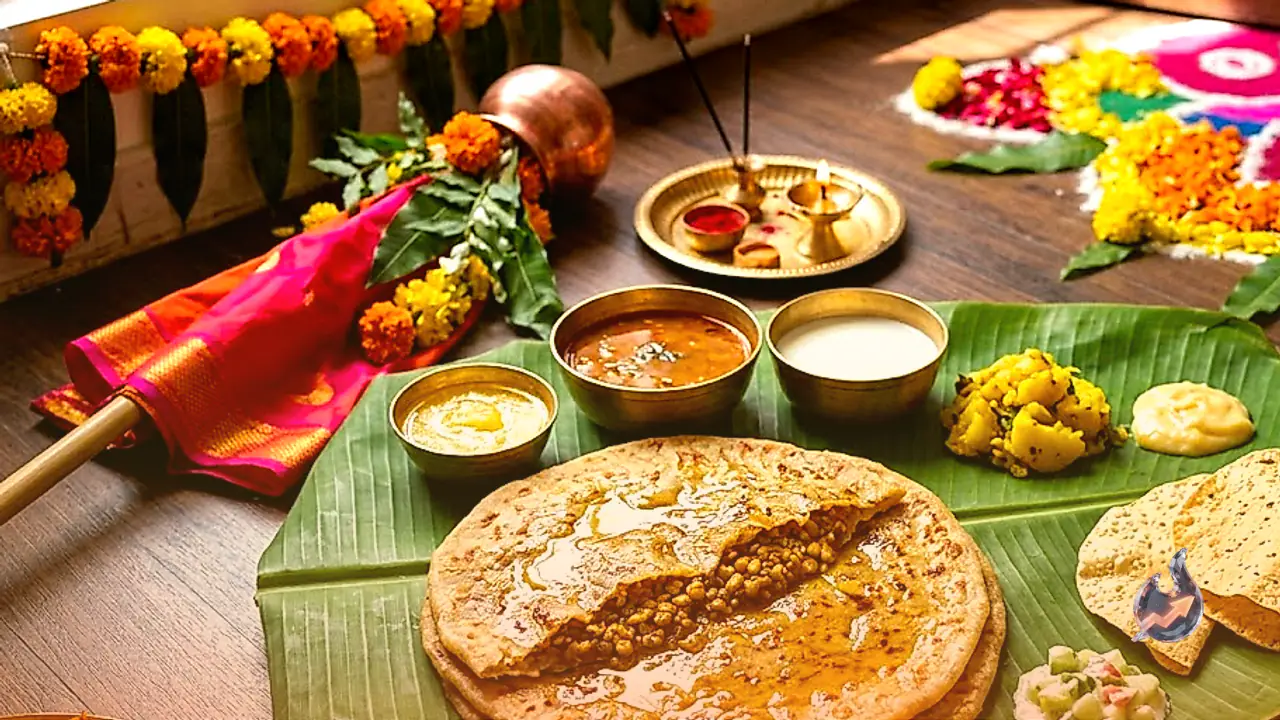

Festivals across India are deeply connected not just with rituals and decorations, but also with special traditional foods prepared on specific occasions. Puran Poli from Maharashtra is one such iconic dish that remains central to major celebrations. This sweet flatbread is made using wheat flour and features a rich stuffing of lentils and jaggery inside.
The Unique Preparation of Puran Poli
While it may outwardly resemble an ordinary flatbread, making Puran Poli requires a distinct culinary technique. Soft dough is prepared using wheat flour, while the sweet filling is crafted from chana dal and jaggery. In Marathi terminology, this filling is called puran, and the flatbread itself is known as poli. Adding ingredients like cardamom or nutmeg enhances both the aroma and flavor of the dish. Once cooked on a hot griddle, it is served generously with ghee.
A Staple of Festive Traditions
In Maharashtra, preparing Puran Poli during the festival of Holi is a widespread and cherished tradition. Families gather together during this festival of colors to cook and share moments of joy. Similarly, during Gudi Padwa, which marks the Marathi New Year, this sweet dish is prepared in numerous households. It holds a prominent place among the traditional recipes welcomed at the start of the new year.
Step-by-Step Cooking Process
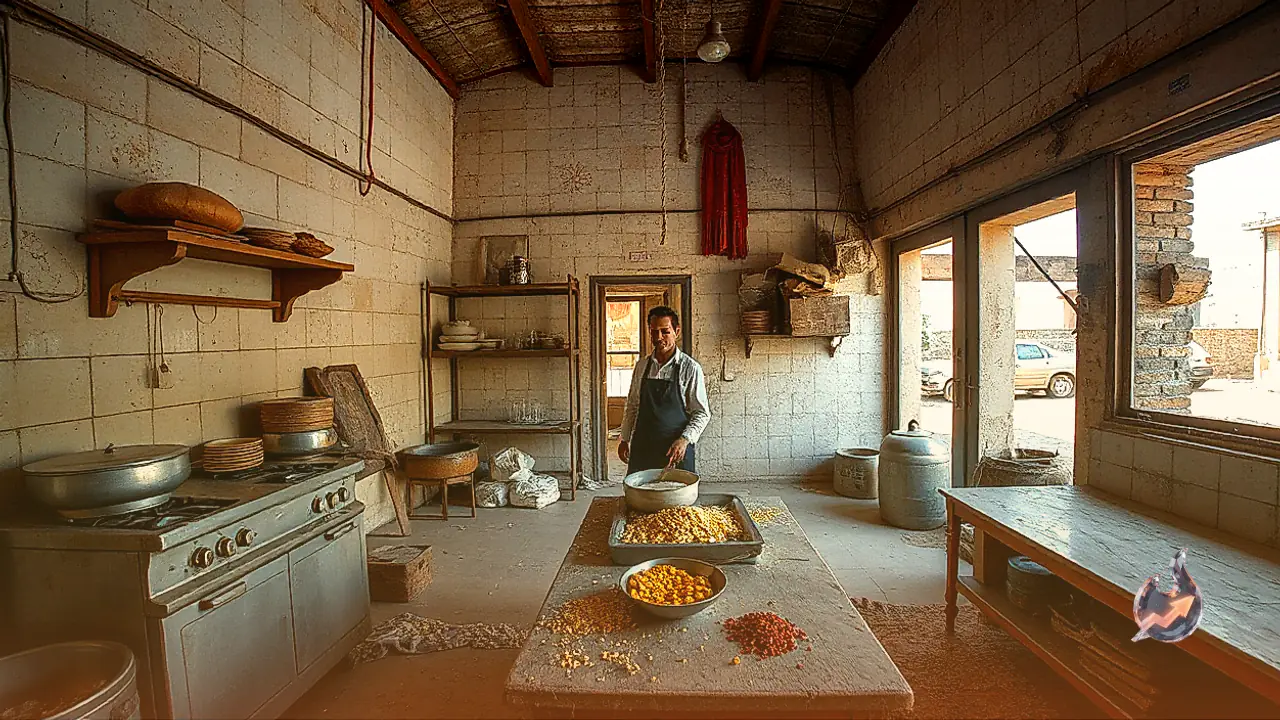
Crafting Puran Poli demands both time and dedicated effort. The process involves multiple stages, from boiling the lentils thoroughly to cooking them with jaggery until the mixture thickens, and finally stuffing it inside the dough to roll it out carefully. When family members come together to prepare it collectively, the cooking process itself becomes an integral part of the festive celebration.
Culinary Diversity Across India
Different regions of India feature various sweet delicacies prepared using lentils and jaggery, with distinct names and preparation styles varying by location. This rich culinary variety forms a core identity of Indian food culture. The true significance of Puran Poli lies not only in its delightful sweet taste but also in its deep connection to festive traditions and fond family memories, keeping the tradition alive in homes across Maharashtra.