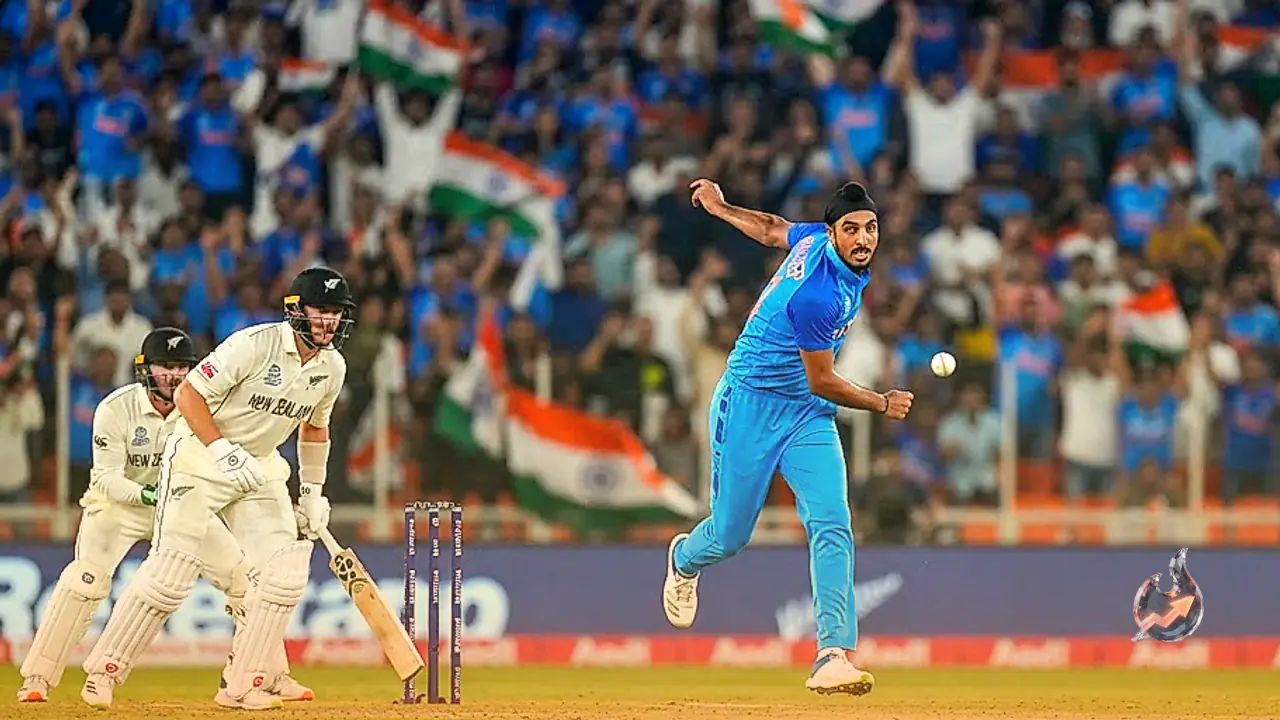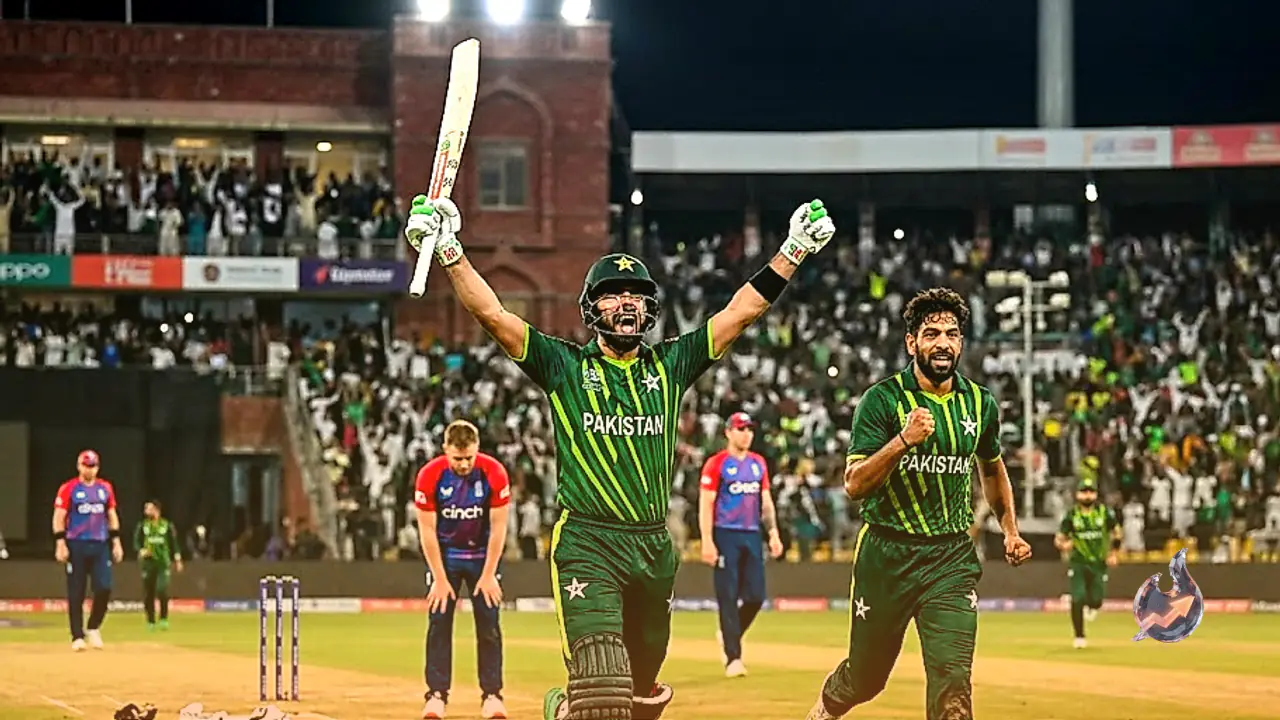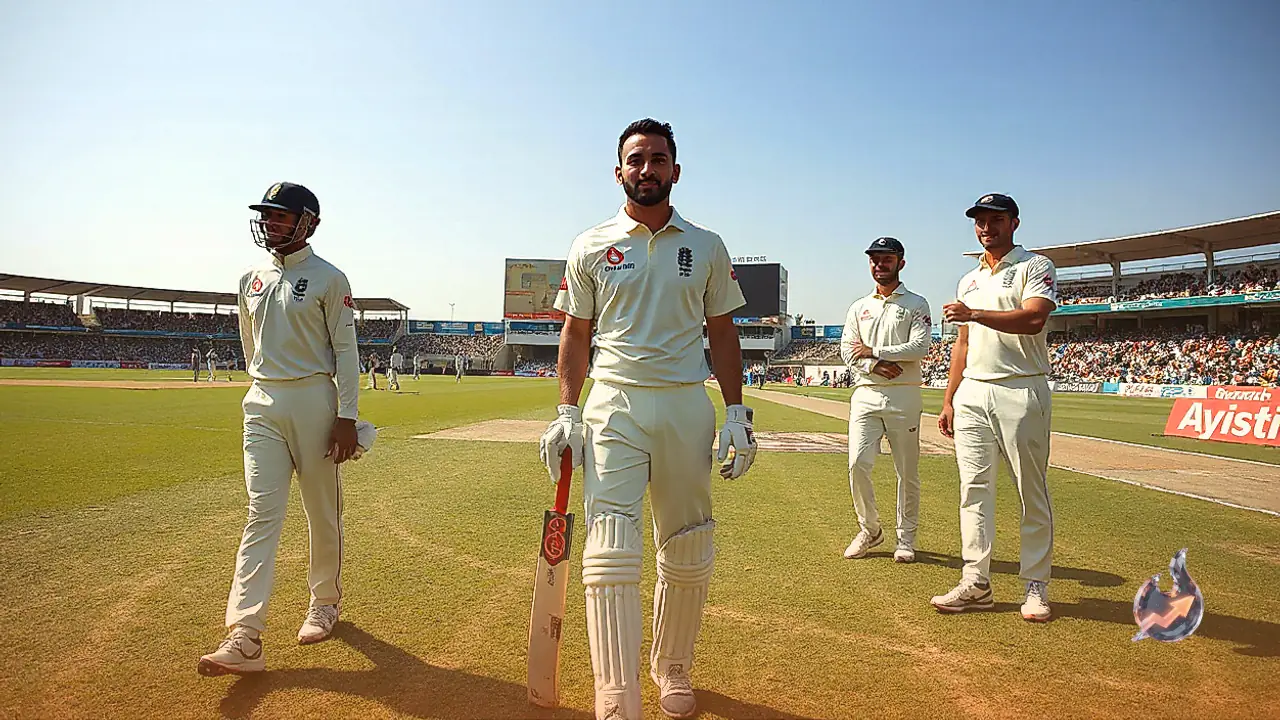






















A team total of 300 in ODI cricket once used to be considered match-winning, but today's batters treat that number as barely a starting point. Aggressive stroke-play, bigger bats and shorter boundaries have completely rewritten the scoring math over the last two decades, and a total past 400 no longer looks out of reach. Here is a look at the five biggest innings in ODI history, the ones that permanently rewrote the record books.
England pile up 498 against the Netherlands
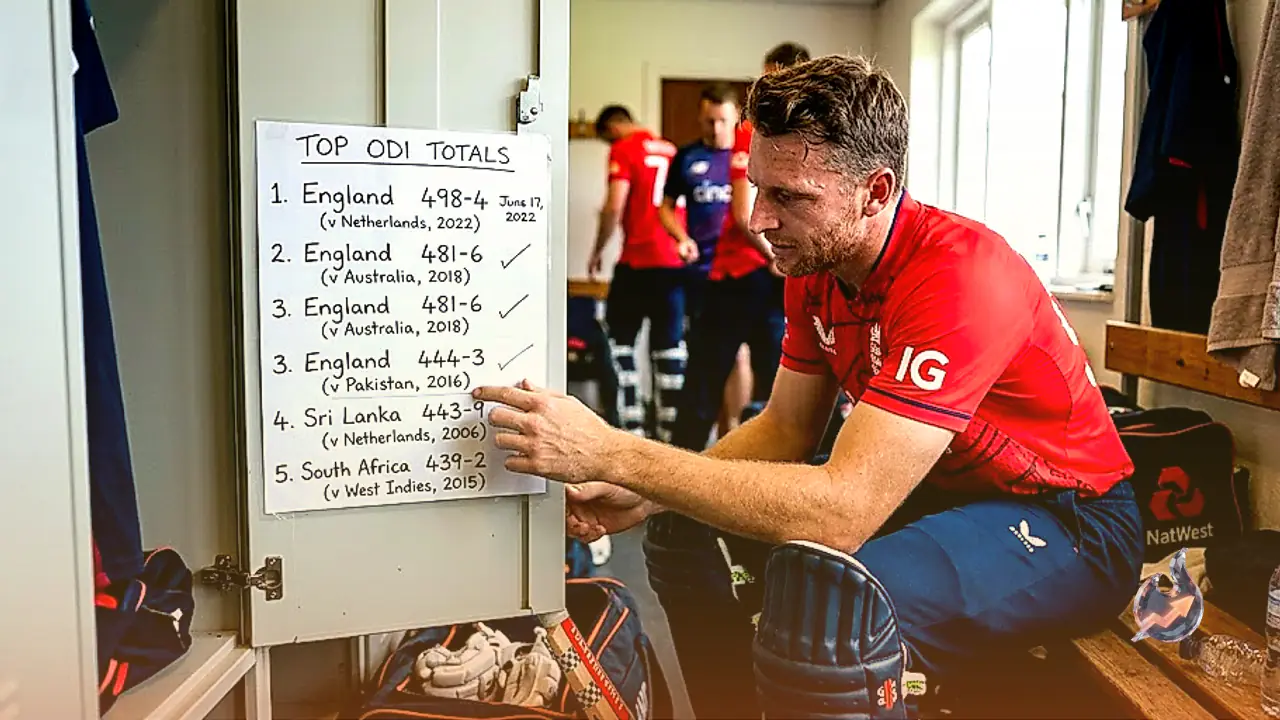
The biggest team total in ODI history belongs to England. On 17 June 2022 in Amstelveen, England lost just 4 wickets in their 50 overs against the Netherlands while piling up 498 runs, still the highest ODI score ever recorded. The innings came at a scarcely believable rate of 9.96 runs an over. Jos Buttler, Phil Salt and David Malan all struck centuries, and the Dutch bowling attack simply had no answer. England eventually won the match by a massive 232 runs. Remarkably, that record has now stood for close to four years since 2022, and no side has come anywhere close to matching it.
481 against Australia at Trent Bridge, four years earlier
England had already left their mark on the record books before that Amstelveen total. On 19 June 2018 at Trent Bridge in Nottingham, playing their fiercest rivals Australia, England lost 6 wickets while scoring 481 runs. Explosive centuries from Jonny Bairstow and Alex Hales laid the foundation, pushing the team's run rate to 9.62. The Australian bowlers looked completely helpless against that onslaught, and England eventually sealed the game by a huge margin of 242 runs. It remains one of the most memorable ODI innings of that era.
444 against Pakistan, the first time the world record fell
That same Trent Bridge ground was witness to history again in 2016, when England set what was then the new world record for the highest ODI total. Batting against Pakistan on 30 August 2016, England scored 444 for 3, with Alex Hales' 171 as the standout innings. The total came at an average run rate of 8.88, and England won the match by 169 runs. That game is widely seen as the starting point of England's modern, ultra-aggressive brand of ODI cricket, one that eventually laid the ground for the records set in 2018 and 2022.
Sri Lanka's own slice of history in Amstelveen
Roughly a decade before England's dominant run, Sri Lanka had made their own mark on the very same Amstelveen ground. On 4 July 2006, playing against the Netherlands, Sri Lanka posted 443 for 9. Explosive batting from Sanath Jayasuriya and Tillakaratne Dilshan powered the innings, which came at a rate of 8.86 runs per over. Sri Lanka went on to win the match by 195 runs, and at the time, that total stood as the highest ODI score ever made. Interestingly, no team came close to that number for close to a decade afterward.
South Africa's 439 and de Villiers' storm in Johannesburg
On 18 January 2015 at the Wanderers Stadium in Johannesburg, South Africa lost only 2 wickets while scoring 439 runs against the West Indies. The headline act of that innings was AB de Villiers, who smashed the fastest century in ODI history off just 31 balls. Centuries from Hashim Amla and Faf du Plessis also added to the total, taking the team's run rate to 8.78. Chasing such a massive target, the West Indies fell apart and lost the match by 148 runs. That innings is still remembered as one of the most thrilling and fastest displays of batting in ODI cricket.
Three decades, three different record-breakers
Looking closely at these five innings, a clear pattern emerges, the record has kept climbing in stages. Sri Lanka set the bar in 2006, South Africa broke it in 2015, and then England kept rewriting their own mark in 2016, 2018 and finally 2022. That is exactly why three of the five spots on this list belong to England alone, a sign of just how dramatically English batting has transformed over the last decade.