

















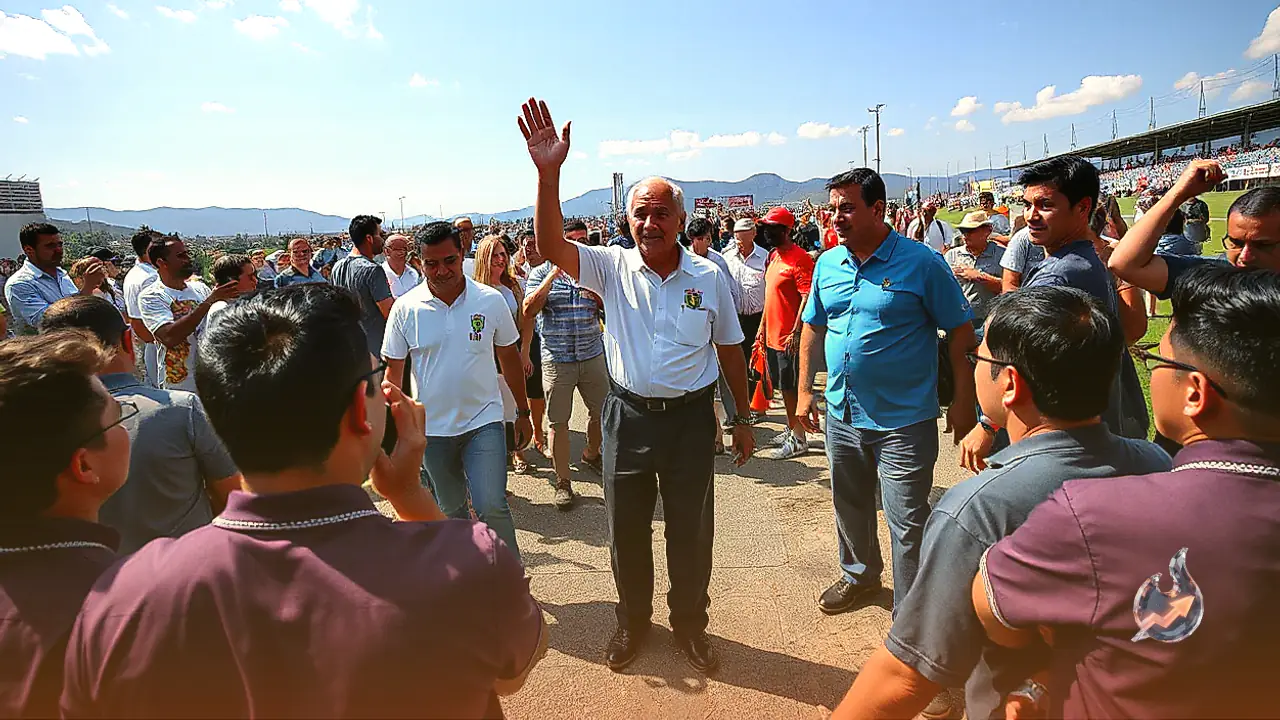

A remarkable political turnaround has unfolded in Brazil, where Luiz Inacio Lula da Silva secured a historic fourth term as president after defeating right-wing contender Flavio Bolsonaro in the second round of the election. The 80-year-old leader managed a stunning recovery after trailing behind in the initial phase of the polls, reshaping the country's political landscape.
Turning the Tide in a Hard-Fought Race
The path to victory was fraught with uncertainty, as Flavio Bolsonaro led the first round with 47.03% of the vote, while Luiz Inacio Lula da Silva trailed at 45.16%. This gap of roughly 2.2 million votes sparked widespread speculation about a potential defeat for the incumbent leader. However, the final runoff saw a dramatic shift in momentum, with Luiz Inacio Lula da Silva capturing 51.79% of the vote compared to his opponent's 48.21%. Securing over 64 million votes, he made history as the first presidential candidate in Brazil's democratic era to reverse a first-round deficit into a runoff victory.
Digital Campaign and Public Outreach
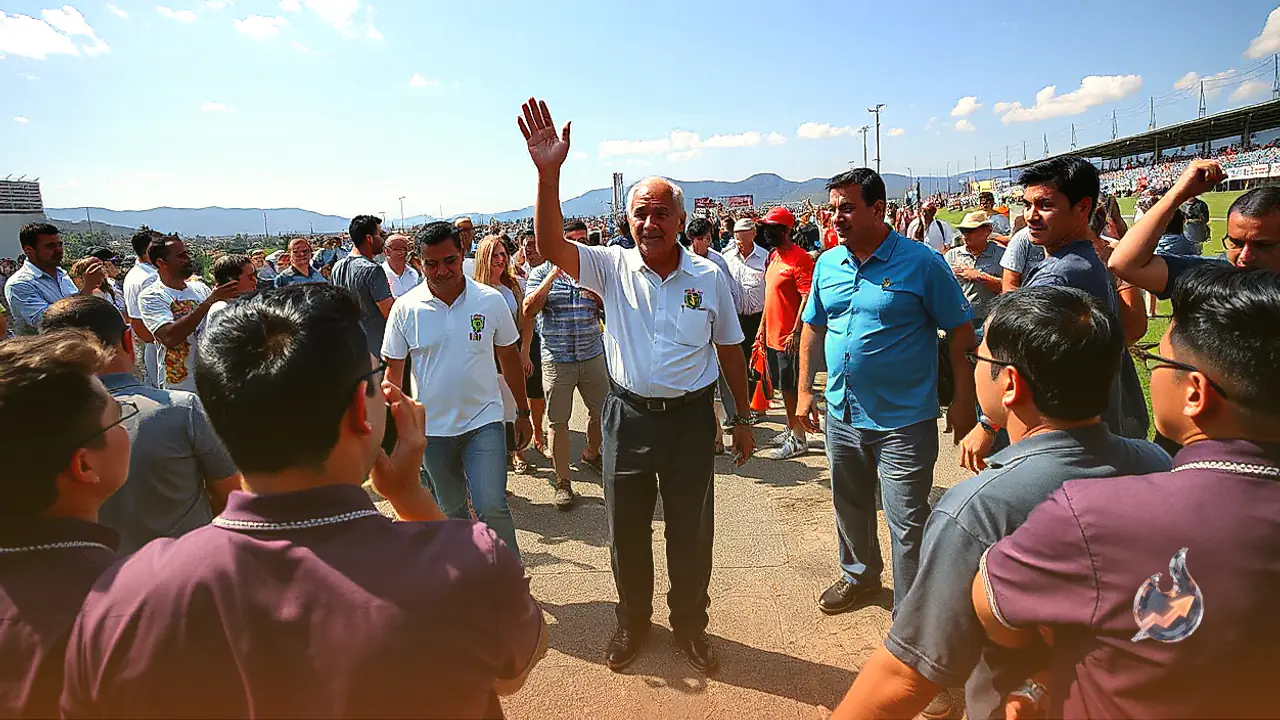
The successful comeback was fueled by an aggressive campaign strategy that heavily utilized social media and direct voter engagement. Connecting with supporters via WhatsApp, holding widespread rallies, and addressing everyday grievances became central to rebuilding momentum. Despite public discontent surrounding inflation, household debt, and crime rates, the campaign successfully rallied support around themes of social welfare, democracy, and national sovereignty.
Geopolitical Tensions and Washington Relations
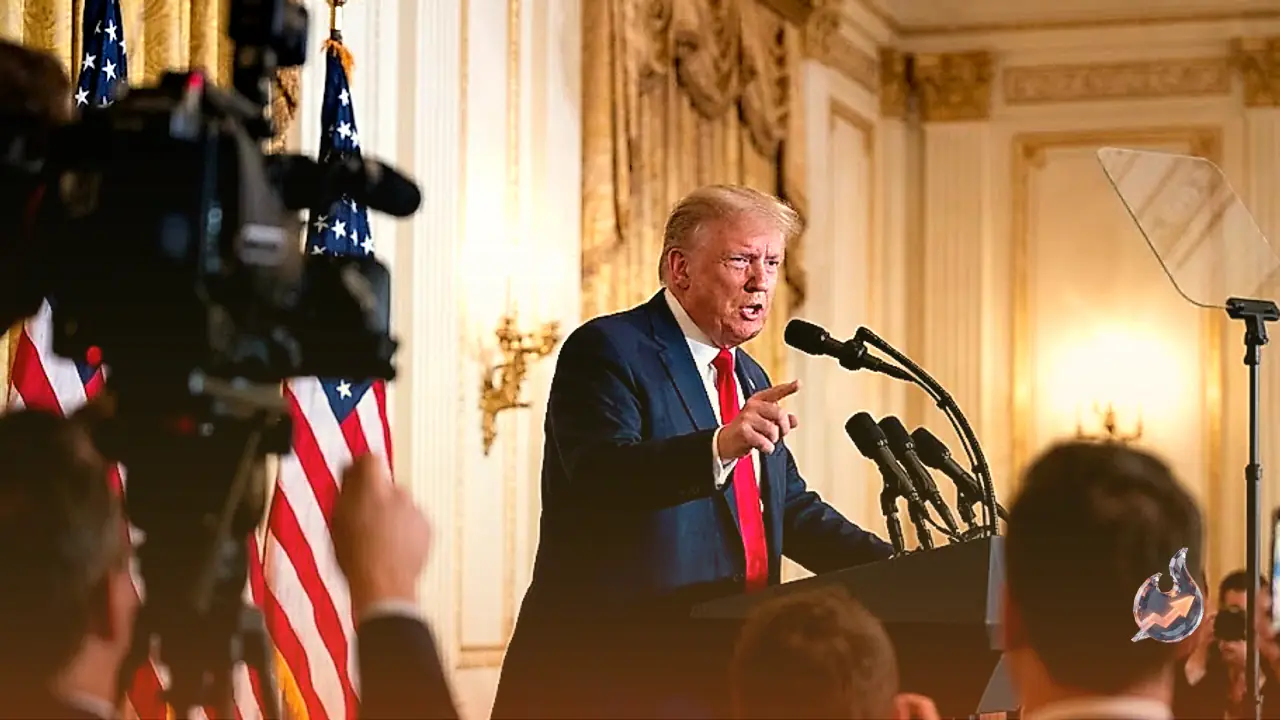
The electoral outcome carries significant weight beyond Brazil's borders, particularly given the strained dynamic between Luiz Inacio Lula da Silva and US President Donald Trump. Trade policies implemented by Washington had previously placed heavy import tariffs on Brazilian goods, creating diplomatic friction. Because Flavio Bolsonaro is the son of former president Jair Bolsonaro and maintains close ties with the American political right, his potential victory would have shifted Brazil firmly toward right-wing governance. Analysts noted that comparisons between Brazil and Venezuela often arose due to concerns over foreign political influence, though Brazil's robust institutional framework ensured domestic resilience.
Gratitude and Future Governance Goals
Addressing supporters after his victory, Luiz Inacio Lula da Silva struck a deeply emotional tone, attributing his success to divine providence and public trust. He remarked that many individuals in the world possess greater formal education and qualifications, yet he was chosen to lead. Looking ahead, he pledged to reform government operations, enhance public participation, and focus heavily on education, healthcare, and the digital economy. Furthermore, he committed to reducing technological dependence on the United States and China regarding artificial intelligence. Despite the triumph, he faces the ongoing challenge of navigating a congress heavily influenced by right-wing parties while addressing persistent economic hurdles.