






















In the modern era of cricket, where fast-paced T20 matches wrap up within four hours and traditional Test matches are strictly capped at five days, the concept of playing a single match across nearly two weeks seems extraordinary. Yet when international cricket history is examined across its span of more than 149 years, particularly when landmark milestones like India playing its 600th Test match at Galle are recalled, extraordinary tales emerge. Among these, the legendary encounter between South Africa and England at Durban in March 1939 stands out as the longest and most unusual match ever played on a cricket field.
A Test Match Unlimited by Calendar Days
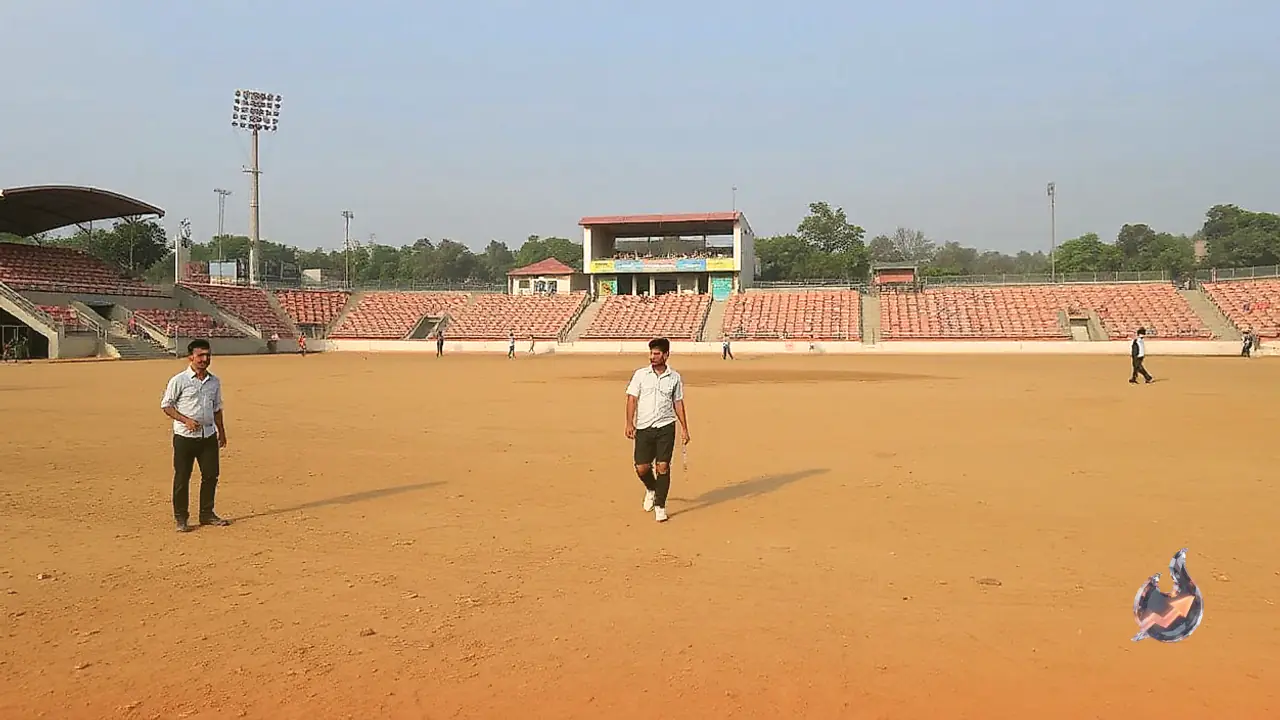
During the early decades of Test cricket, select series featured open-ended rules known as timeless tests. Under this format, play was scheduled to continue day after day until one side achieved a definitive victory, regardless of how long it took. The fifth and final Test of the 1939 series at the Kingsmead ground in Durban was conducted under these exact conditions. The match stretched across 12 full calendar days, featuring more than 43 hours of actual action on the pitch. Over the course of this marathon battle, the two teams combined to score a staggering 1,981 runs. To this day, that aggregate figure remains the highest total number of runs ever scored in a single Test match in cricket history.
Massive Totals Across the First Three Innings
The flow of the match was defined by dominant batting performances from both sides. South Africa won the toss and took full advantage of the pitch at Kingsmead, putting up a commanding first-innings total of 530 runs. In response, England managed 316 runs in their first turn at bat, allowing the host team to take a healthy lead into the second half of the match. South Africa capitalized further in their second innings, building another impressive score of 481 runs. This left England with a seemingly impossible target of 696 runs in the fourth innings to win the match and claim victory in the series.
Bill Edrich Leads England to the Verge of Victory
Chasing a target of nearly seven hundred runs appeared to be an unachievable task, but England's top order responded with remarkable resilience. Right-handed batsman Bill Edrich played a monumental innings, scoring 219 runs to anchor the pursuit. He was supported by captain Wally Hammond, whose tactical composure helped keep England's chase on track through intense pressure. By the 12th day of play, England had advanced their fourth-innings score to 654 runs for the loss of only 5 wickets. Needing just 42 additional runs to pull off the highest successful run chase in Test history, with 5 wickets still in hand, England was poised to record a historic win.
Unscheduled Rain and a Rigid Sailing Deadline
Just as England reached the edge of victory, weather and logistics intervened. Heavy rain began falling over Durban, forcing the players off the field. While rain delays are common in cricket, England faced a far more pressing constraint than the weather. The visiting squad was scheduled to travel by train from Durban to Cape Town in order to catch a specific passenger ship returning to England. In 1939, international commercial air travel was not an available option, making ship passage the only practical way for the team to return home. If the players missed their train connection that evening, their scheduled voyage across the ocean would be lost.
The End of the Timeless Test Era
Faced with a choice between waiting for the weather to clear and making their scheduled train, both team captains and the match umpires held a conference on the field. They agreed that continuing the match was logistically impossible and formally decided to call off play. As a result, after 12 days of play, over 43 hours on the pitch, and 1,981 runs, the match ended in a draw. This clash at Kingsmead proved to be the final timeless test ever organized in international cricket, as administrators recognized that matches without time limits were unworkable. Shortly afterward, the outbreak of World War II halted international sports, cementing the 1939 Durban Test as a unique monument to cricket history.