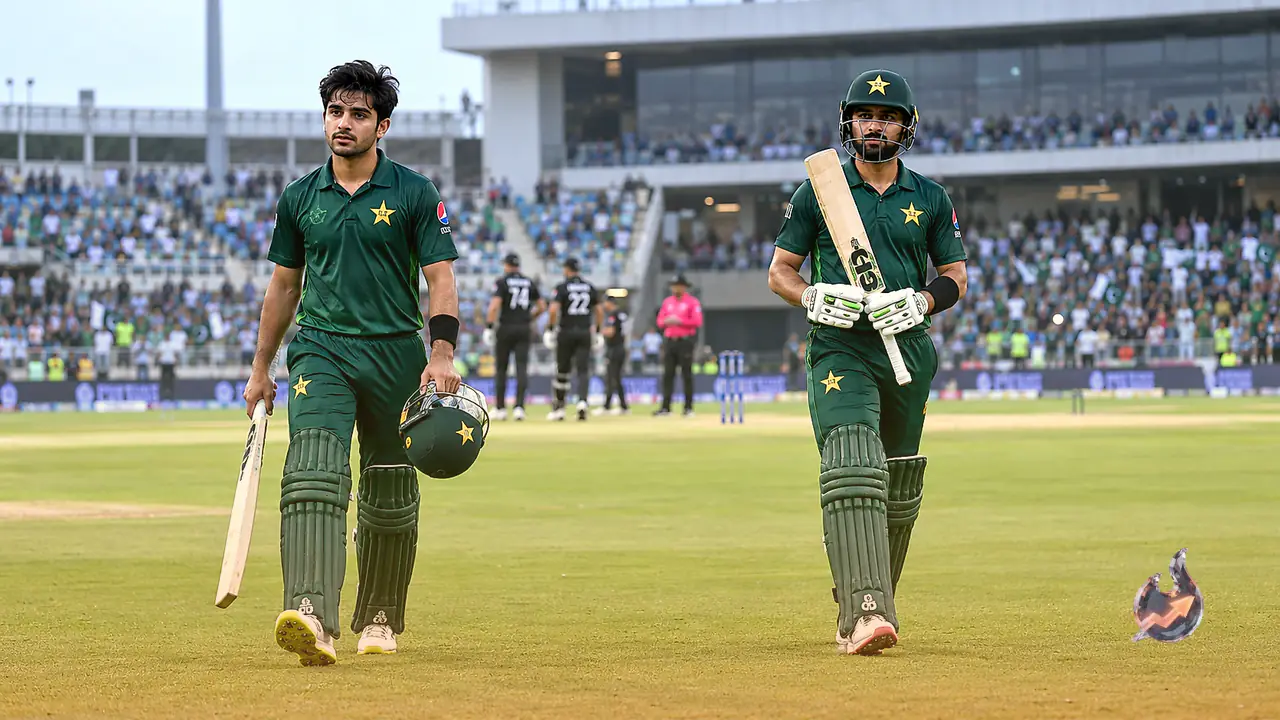

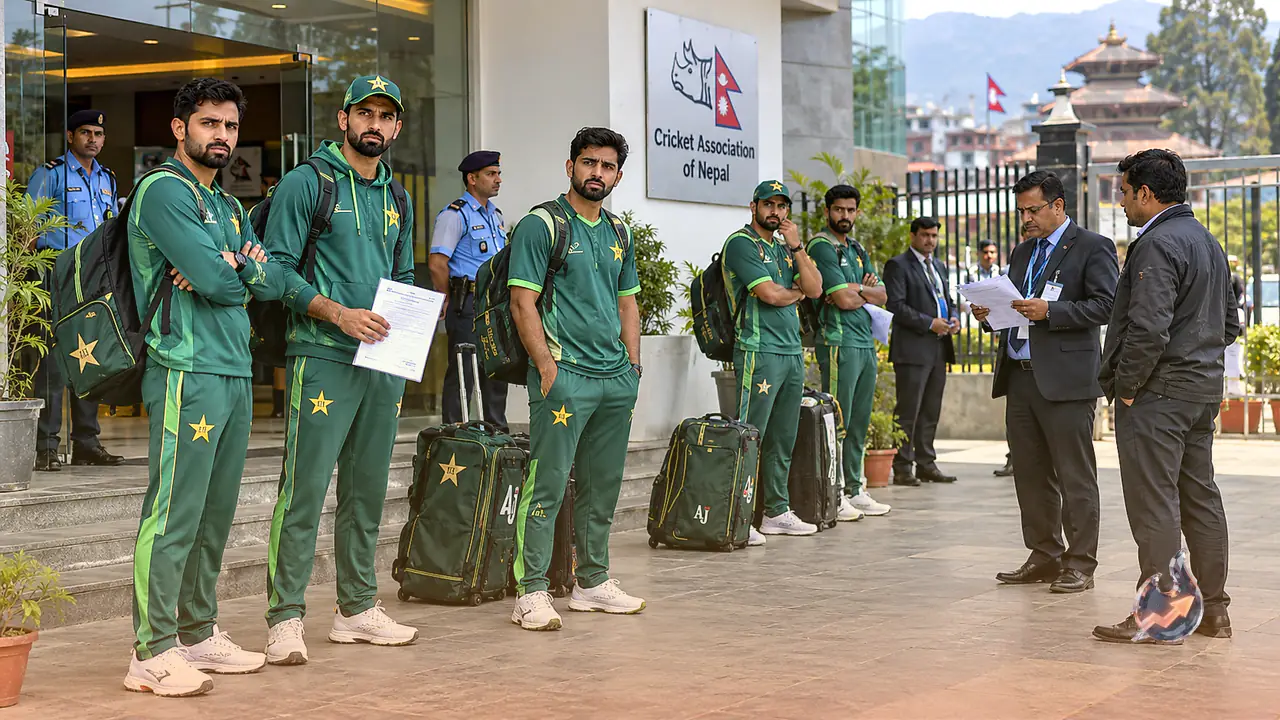



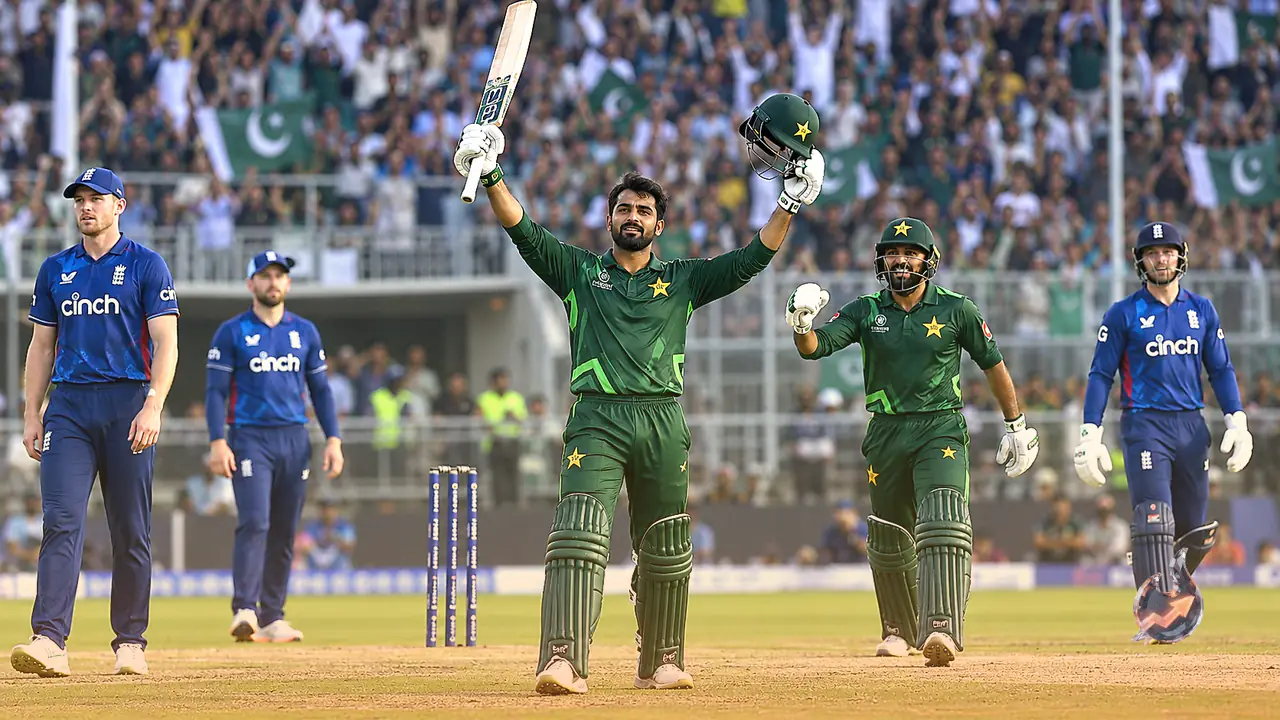
















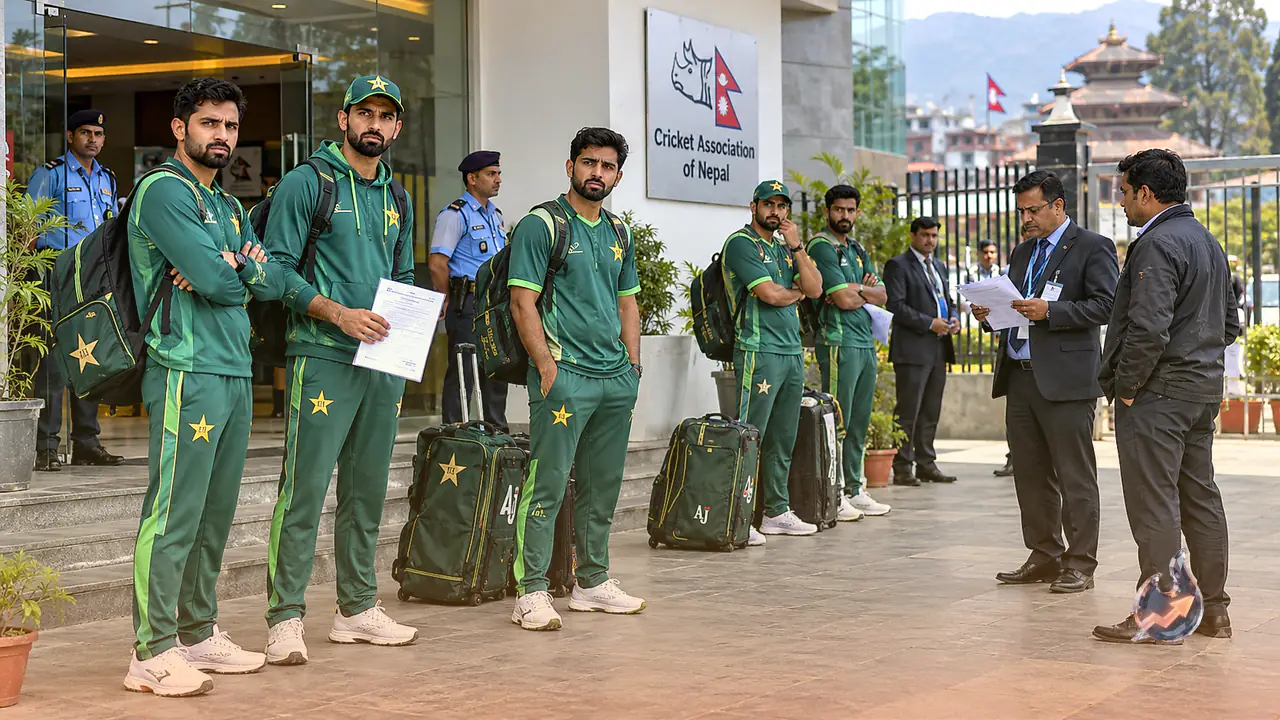

A cloud of uncertainty has suddenly descended upon several Pakistani cricketers who were all set to participate in the upcoming Nepal Premier League. The entire matter has hit a massive roadblock concerning the mandatory No Objection Certificates required to feature in the tournament. What makes the situation particularly complex is that players who had previously secured their clearances are now being informed that their permissions have been temporarily withheld, putting their availability in extreme jeopardy.
According to inputs from multiple insiders connected with the league, directives to halt these clearances have originated from the Pakistan Cricket Board. Sources within the circuit suggest that the board is allegedly demanding a fee of roughly 25,000 US dollars in exchange for issuing each individual clearance. However, whether any formal written communication regarding this monetary demand has been formally dispatched to the tournament organizers remains unverified at this stage.
Tournament Scheduled to Kick Off on October 26
As per the official calendar, the Nepal Premier League is scheduled to run from October 26 through November 21. The eight-team competition is slated to take place entirely in Kathmandu. While a number of participating Pakistani players have already landed in the host city, several others have chosen to delay their travel arrangements until the ongoing confusion is fully resolved. It remains ambiguous whether the rumored financial demand is the sole catalyst behind this standoff, and the cricket board has yet to issue any formal statement addressing the situation.
The roster of Pakistani players slated to feature in the tournament includes T20 skipper Sahibzada Farhan, alongside Haider Ali, Hunain Shah, Hussain Talat, Iftikhar Ahmed, Hasan Ali, and Usama Mir. Notably, none of these selected athletes belong to national squads whose bilateral international fixtures clash with the scheduled window of the Nepal Premier League.
Central Contract System Under Fresh Scrutiny
Amidst this unfolding controversy, the cricket board's recently introduced central contract framework has also drawn renewed attention. The establishment had earlier rolled out a structured agreement model dividing red-ball and white-ball commitments into distinct categories. This layout featured a specific tier designated as format track D, conceptualized to accommodate dedicated T20 specialists. Under this policy, specialized players were theoretically granted greater flexibility to ply their trade in global franchise leagues, provided their personal commitments did not conflict with official national calendar obligations.