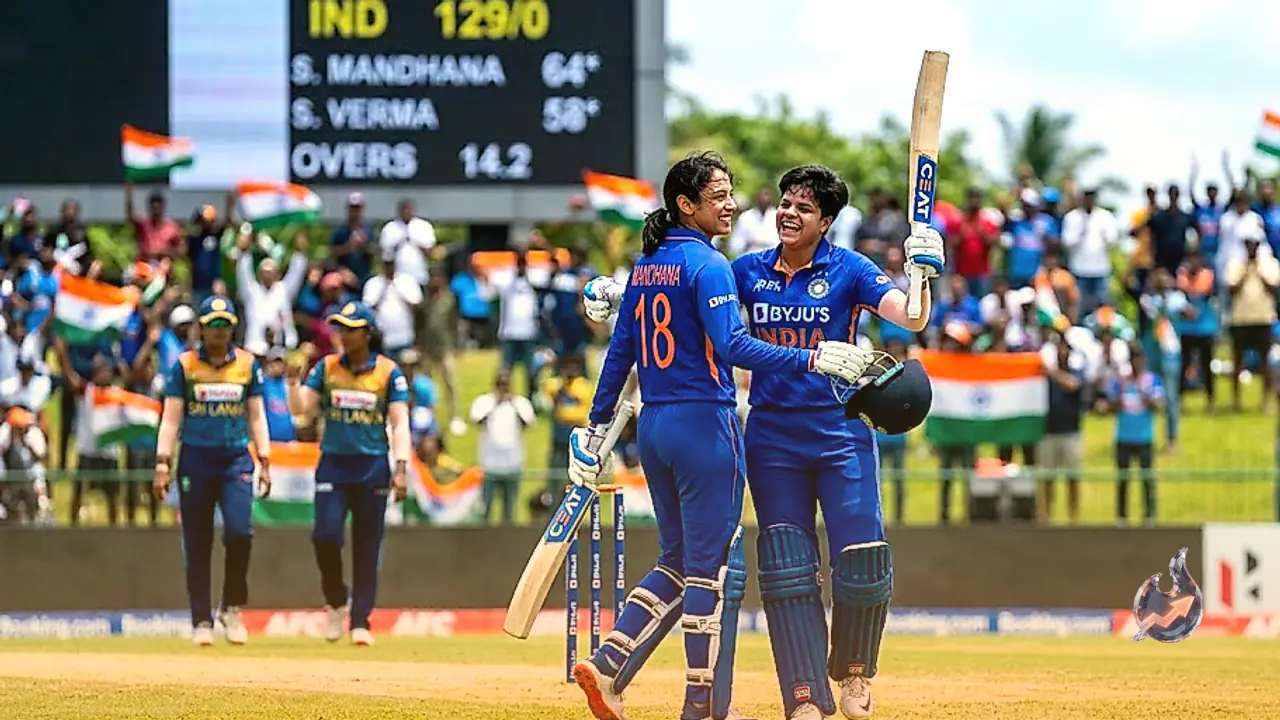





















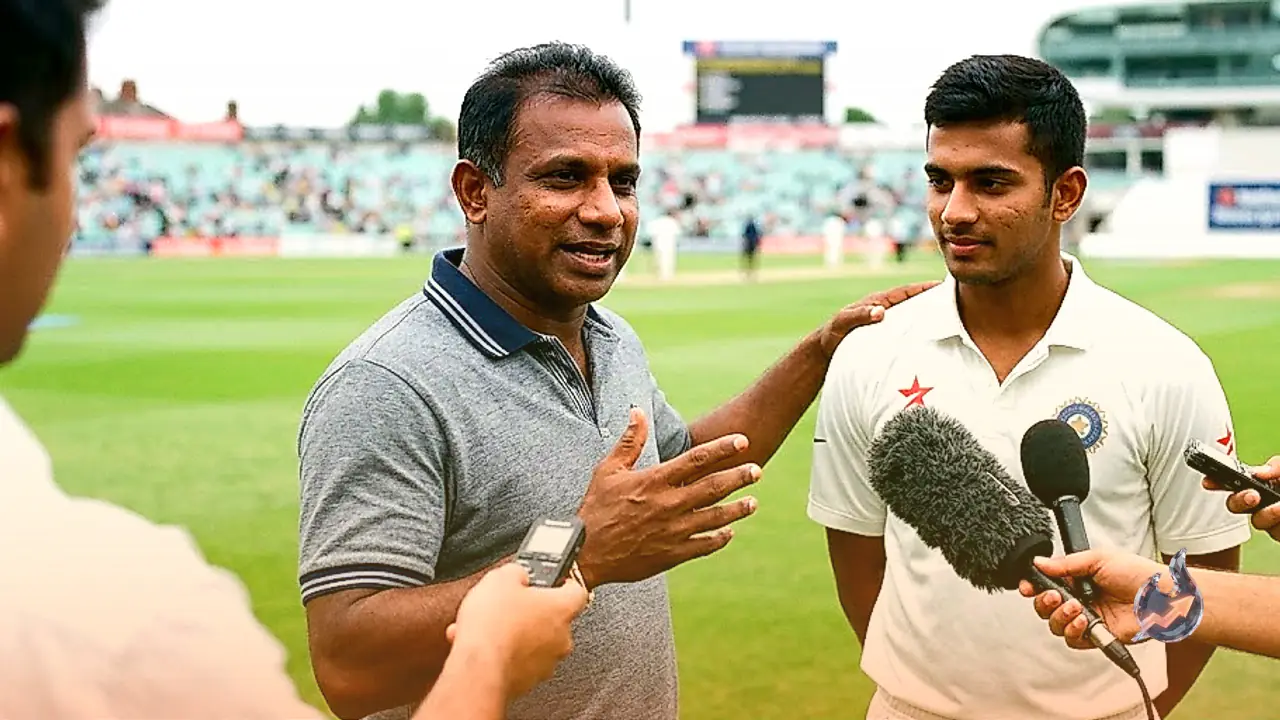

Former Sri Lanka captain and 1996 World Cup winner Sanath Jayasuriya has offered glowing praise for teenage batting sensation Vaibhav Sooryavanshi, identifying him as a rare talent capable of defining the future of Indian cricket. While acknowledging the teenager's exceptional gifts, the veteran cricketer emphasized that the national team management should avoid rushing him prematurely into the playing eleven.
Allowing young talent the space to develop
Speaking on Sunday in Gurugram, the 57-year-old former legend pointed out that Sooryavanshi has time on his side to mature into a complete international cricketer. The youngster had recently been selected in the Indian squad for the three-match T20 International series against Afghanistan. However, the team management opted to persist with their established opening combination of Sanju Samson and Abhishek Sharma throughout the rubber.
Jayasuriya expressed full confidence that Sooryavanshi possesses the temperament to capitalize on opportunities whenever they arrive. He noted that the exact batting slot assigned to him would ultimately depend on match conditions and tactical requirements, making patience the most prudent path forward for the promising youngster.
Selection dynamics and intense squad competition
While declining to pass judgment on specific selection calls or the batting order, Jayasuriya underlined the fierce competition that defines Indian cricket today. He pointed out that incumbent openers Abhishek Sharma and Sanju Samson must sustain consistent performances to retain their spots, given the relentless pressure from players waiting in the wings.
According to him, Indian cricket boasts an exceptional depth of talent where equally capable alternatives are always prepared to step up and deliver. In such a high-stakes environment, every cricketer must push themselves through hard work and training drills to protect their place in the national side.
High benchmarks across all three formats
Jayasuriya also lauded the overall standards set by Indian cricketers across Test, One Day International, and T20 formats. Maintaining peak performance across all three styles of the game represents a difficult challenge, yet Indian players continue to thrive due to their deep-rooted drive to wear the national colours.
Additionally, he underscored the value of corporate-level cricket tournaments in expanding the country's talent pool. Such platforms offer a crucial springboard to players who may have missed out on chances through conventional club, regional, or state-level channels, ultimately serving the wider interests of Indian cricket.