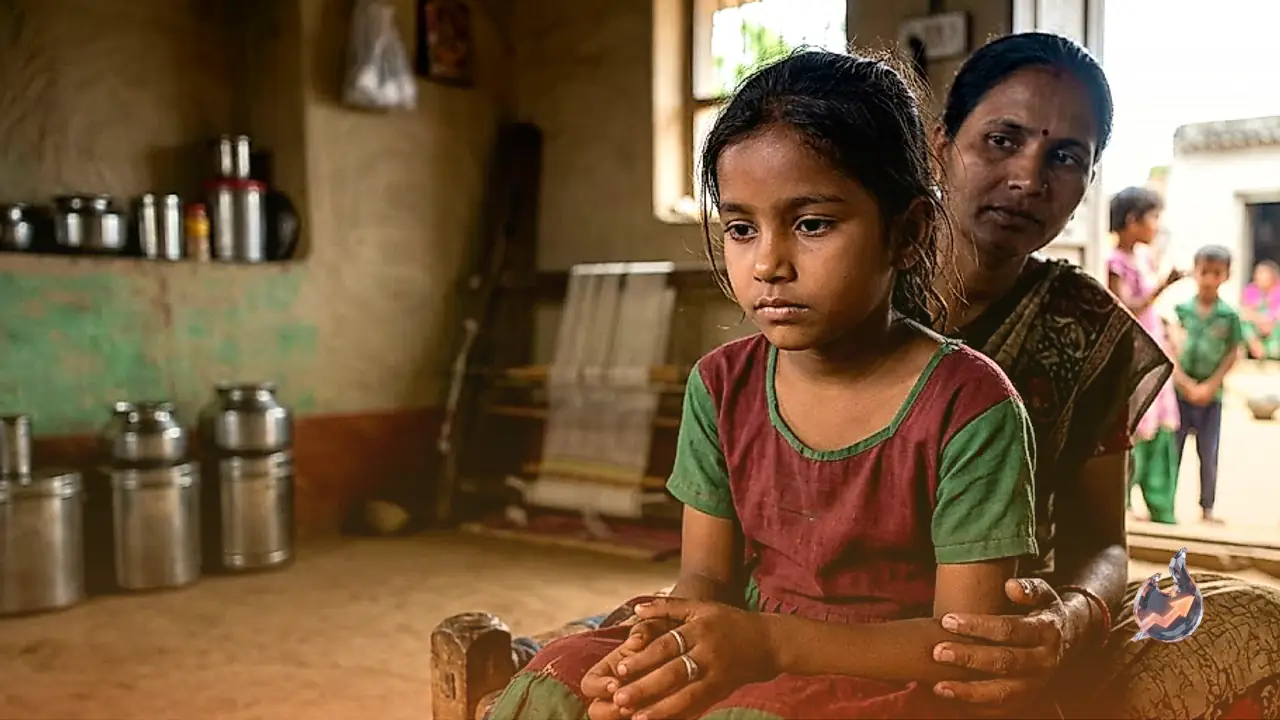





















Located roughly two hundred kilometres from Ahmedabad, the village of Wadia in Gujarat reflects a painful yet determined struggle against centuries of systemic exploitation. Situated in Banaskantha district, this settlement of about seven hundred and fifty residents belongs to the nomadic Sarania community, where women have historically been coerced into sex work across generations. The practice had become so entrenched within the domestic structure that male family members routinely solicited clients for their own wives and female relatives. To rescue young girls from this cycle, parents have turned to an unconventional defense mechanism: betrothing daughters as young as seven years old to keep them beyond the reach of the trade.
Highway Solicitation and the Entrenched Web of Poverty
Extreme destitution and lack of viable livelihoods gradually transformed commercial exploitation into an accepted routine within the village. Each morning, several local men would head toward the Palanpur-Tharad highway. Rather than searching for conventional employment or daily wage work, they positioned themselves along the transit route to solicit truck drivers and passing travelers, bringing them home as paying clients. Over decades, this arrangement blurred familial realities to the extent that many growing girls had no certainty whether the men heading their households were their biological fathers. This inherited system fractured countless lives, trapping families in continuous social marginalisation.
Early Engagements Serving as Informal Protective Armor
Although child marriage is strictly prohibited under Indian law, betrothals arranged between the ages of seven and twelve serve an entirely practical security purpose in Wadia. An unwritten social code has taken root across the settlement: once a girl's engagement or marriage is formally fixed, she is strictly exempt from being forced into the sex trade. Consequently, impoverished households rely on an early-age engagement custom to shield their daughters from an even more devastating form of exploitation.
The journey of a nineteen-year-old woman illustrates how this community mechanism operates. Both her mother and grandmother had been trapped in the village's commercial sex network. Determined to prevent history from repeating itself, her mother arranged her betrothal at the age of eleven, followed by marriage once she turned eighteen. Today, she lives away from the village, pursuing nursing studies at a college and building an independent, dignified career. Similarly, another mother who had been pushed into the trade at fifteen decided to arrange her daughter's engagement at twelve, ensuring her child would not inherit the trauma of her own past.
Historical Roots in Mewar and the Path Toward Community Reform
Historical records trace the lineage of the Sarania community back to the forces of Maharana Pratap of Mewar. During that period, men from the nomadic group traveled alongside the military encampments sharpening swords and shields, while women provided entertainment for soldiers. Following independence, the collapse of these traditional vocations and acute economic hardship drove the community into commercial sex work as an immediate means of survival.
A turning point emerged in 2012 when social organisations began working directly within the settlement. Mittal Patel, founder of the Vicharta Samuday Samarthan Manch, initiated intensive counseling sessions with village families, urging them to halt the practice of pushing daughters into prostitution. These efforts culminated in the village's first mass wedding ceremonies, an event that has now evolved into an annual milestone. While activists acknowledge that fixing alliances at an early age is far from ideal, local families view it as a far safer alternative to institutionalised exploitation. Today, young women from Wadia attend schools and higher education institutes, demonstrating that sustained social interventions can gradually dismantle even deeply rooted practices.