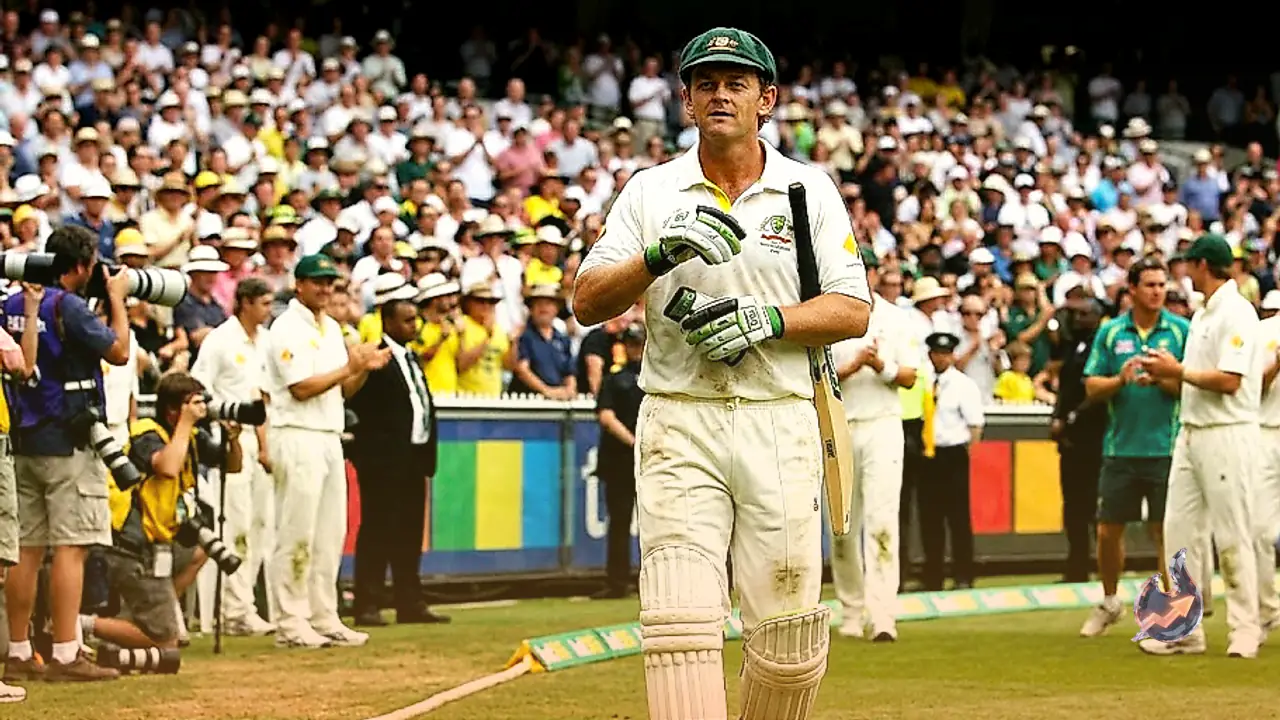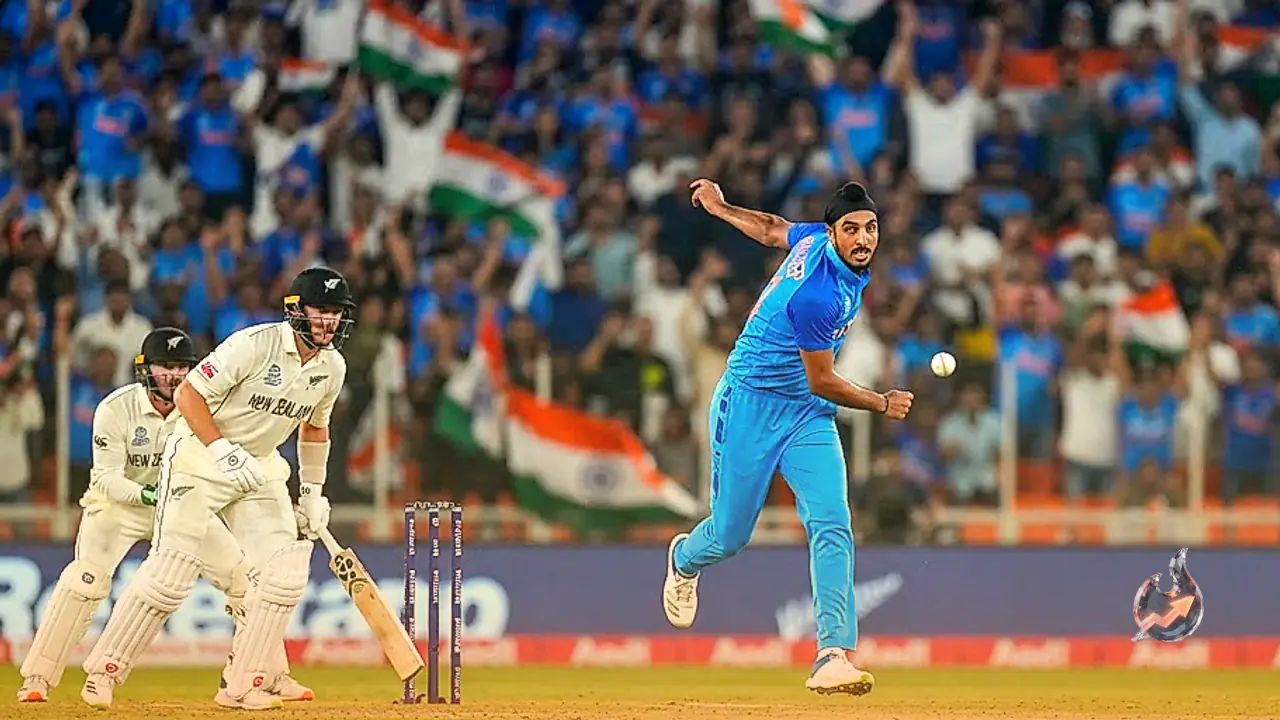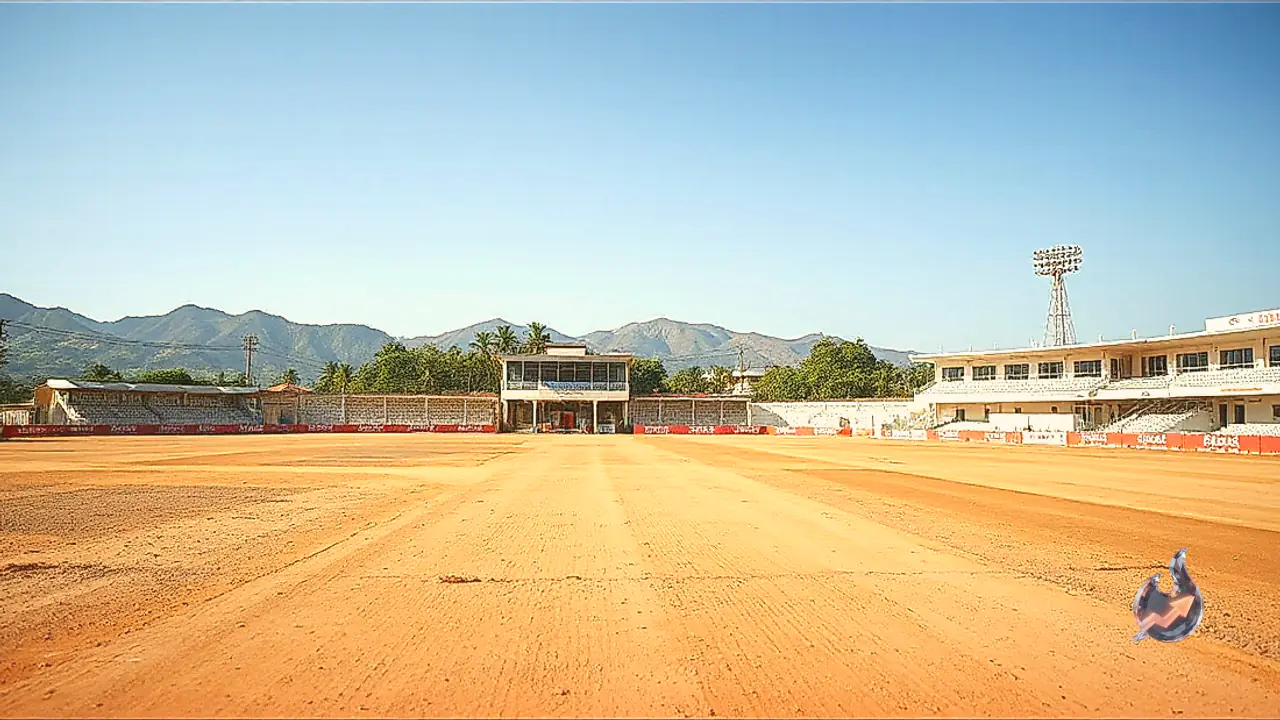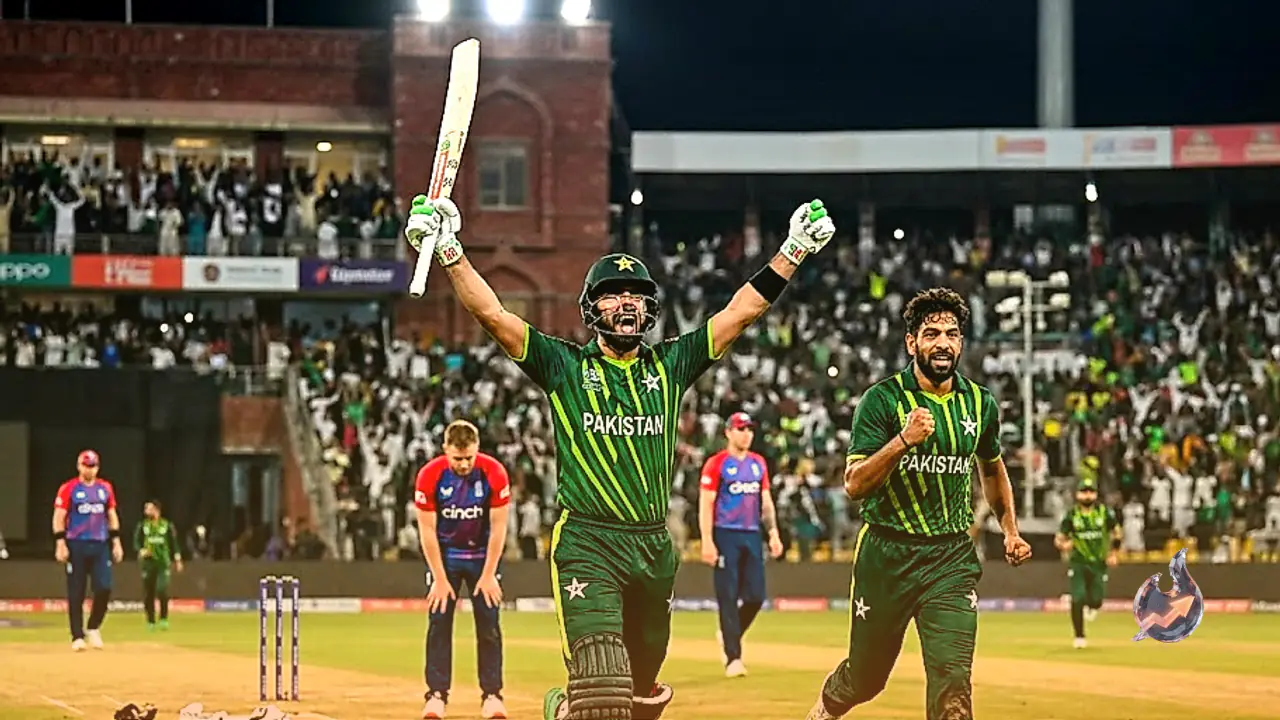

























Cricket is widely celebrated as a game of glorious uncertainties, where athletes battle fiercely until the final delivery to secure victory for their nation. However, on October 30, 1994, at the Green Park Stadium in Kanpur, an extraordinary event unfolded that baffled sports enthusiasts across the globe. This was a fixture where legends like Sachin Tendulkar and Mohammad Azharuddin were part of the lineup, yet the proceedings took a turn that left the entire cricketing fraternity questioning the intent on the pitch.
As part of the Wills World Series tournament, the West Indies posted a target of 258 runs for India to chase. Despite the dismissals of Sachin Tendulkar for 34 runs and Mohammad Azharuddin for 26 runs, the Indian side remained in a commanding position. Century-maker Manoj Prabhakar was anchoring one end of the pitch, and wicketkeeper-batter Nayan Mongia joined him in the middle when the run-rate requirement was entirely manageable and the team had five wickets in hand.
With only 63 runs needed from 54 deliveries and ample wickets remaining, any standard one-day international chase would have been routine. Instead, what transpired next cast a permanent shadow over Indian cricket history, its echoes reverberating years later during major match-fixing investigations. The batters suddenly adopted an ultra-defensive approach while West Indies bowlers maintained standard lines and lengths, completely halting any pursuit of the target.
Over the final nine overs comprising 54 balls, Mongia and Prabhakar managed to scrape together a mere 16 runs. Mongia crawled to 4 runs from 21 deliveries, while Prabhakar completed his personal milestone by remaining unbeaten on 102 runs from 154 balls, yet made no genuine effort to steer his team toward victory. India ultimately lost the match by 46 runs, leaving the spectators inside the stadium completely stunned and furious.
Dressing Room Backlash and Disciplinary Action
The turtle-paced partnership enraged not only the supporters in the stands but also the team management and fellow players. Then vice-captain Sachin Tendulkar later expressed his strong displeasure, clarifying that the dressing room had issued no instructions to slow down the scoring rate, and teammates were so angered by the approach that they avoided speaking to the two batters for a long time. Match referee Raman Subba Rao initially initiated steps to penalize India for actions contrary to the spirit of the game, though this was later adjusted on technical grounds.
Taking immediate notice, the Board of Control for Cricket in India swung into action by dropping both Manoj Prabhakar and Nayan Mongia from the remaining matches of the series on disciplinary grounds. When match-fixing scandals surfaced in the year 2000, this particular encounter faced intense scrutiny before the Central Bureau of Investigation and the Justice Chandrachud inquiry commission. While Mongia maintained that they were merely protecting run-rate quotients, cricket pundits and fans have never found the 54-ball 16-run theory acceptable, cementing this fixture as one of the most mysterious chapters in ODI history.