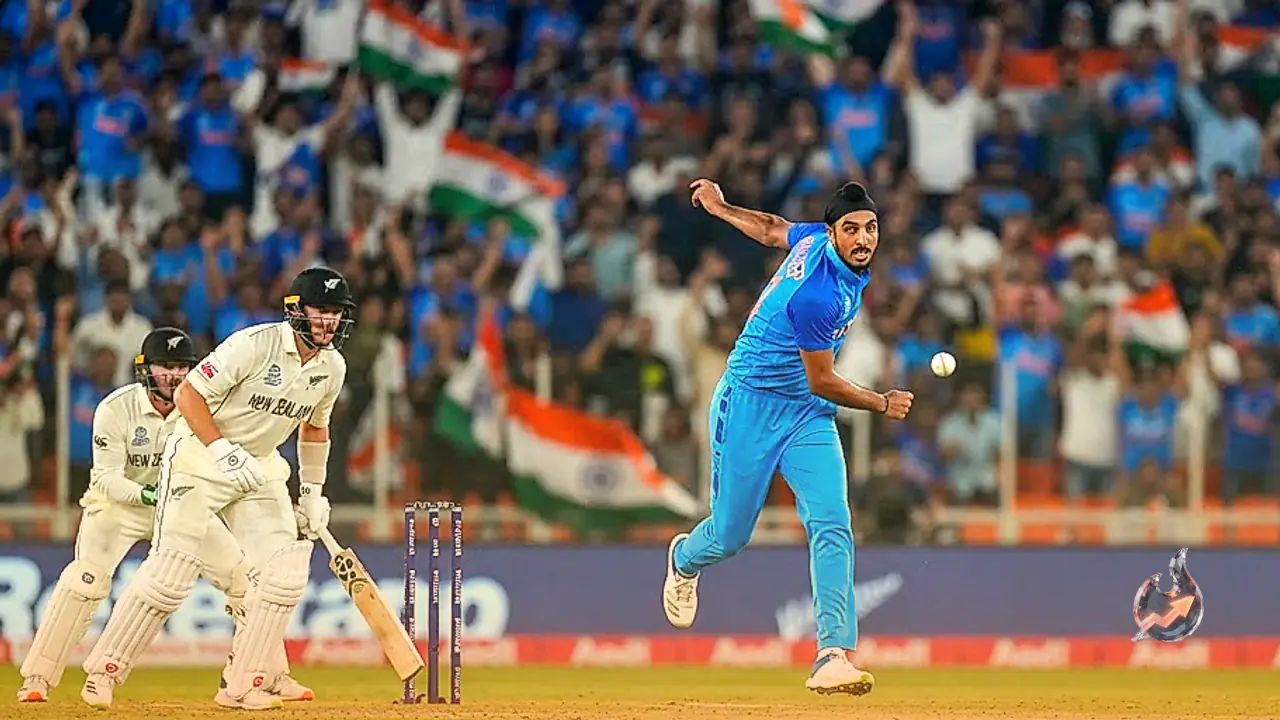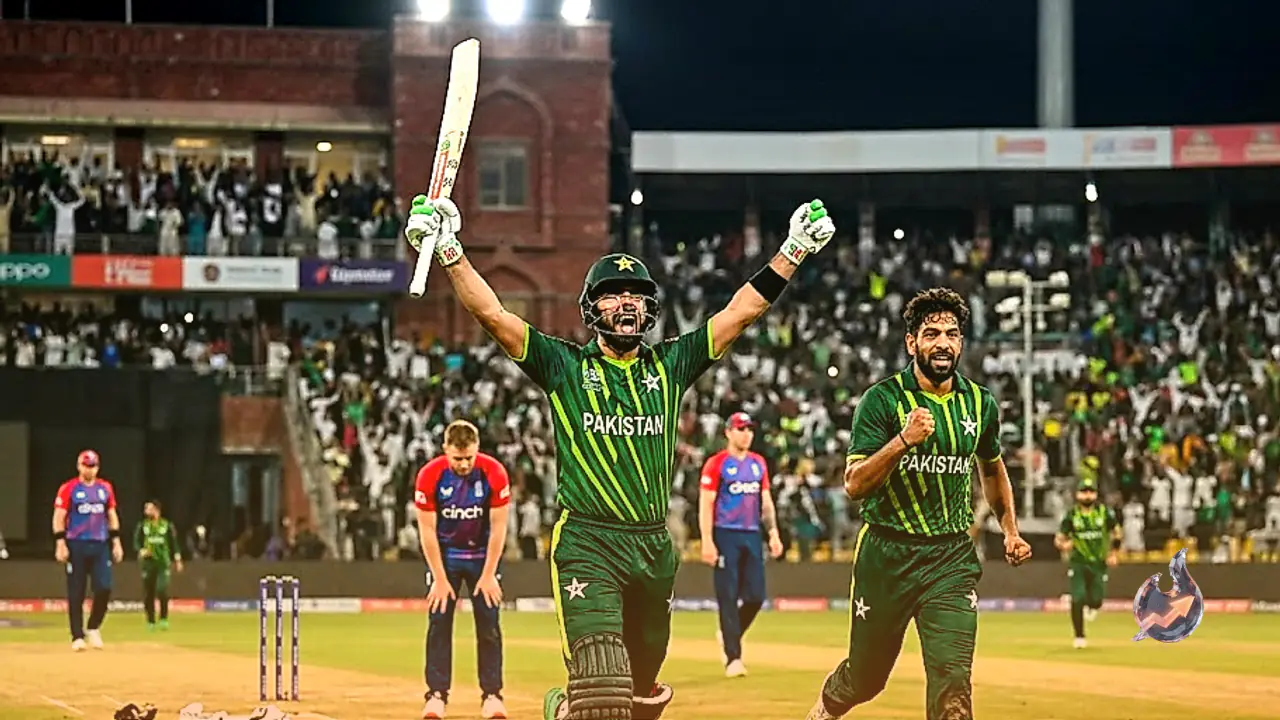

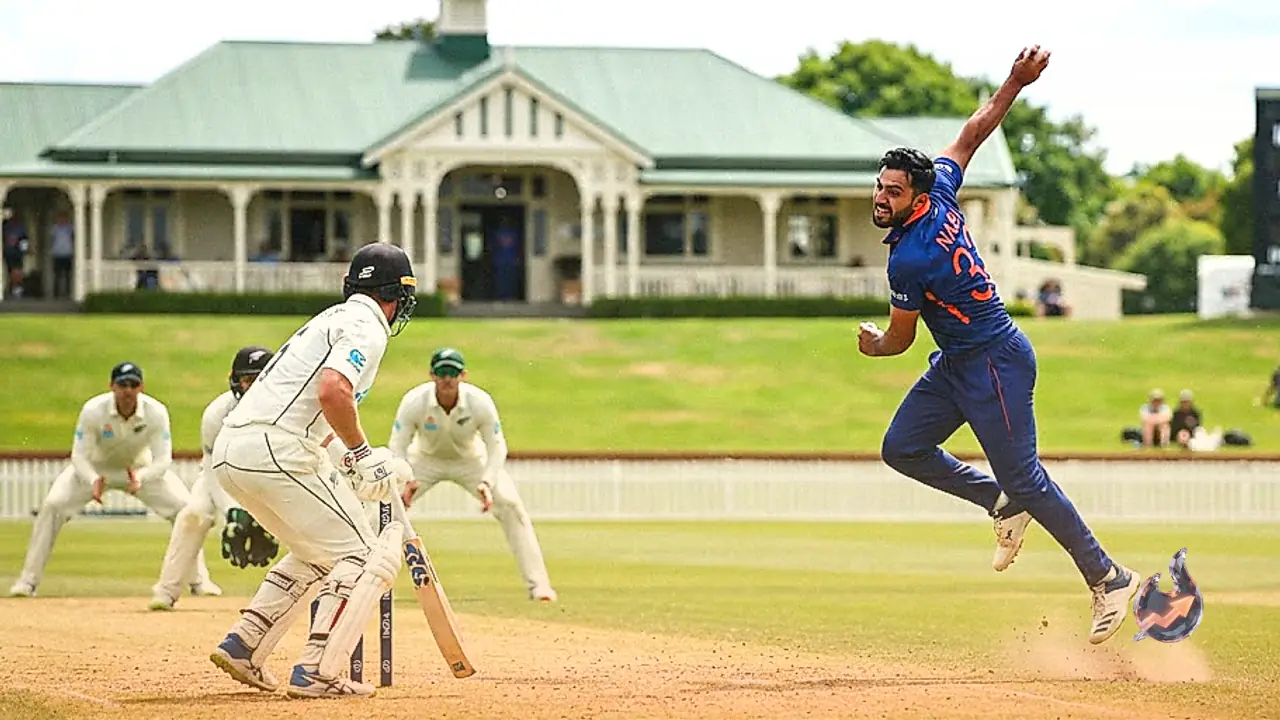



















Bilateral cricket ties between India and Pakistan have remained completely suspended for many years, but the atmosphere was notably different two decades ago when the two neighboring nations regularly engaged on the cricket pitch. One of the most famous and historic chapters in this sporting rivalry took place in 2004, when the Indian cricket team traveled across the border after a long hiatus. Prior to that landmark series, Pakistan's then-President Pervez Musharraf harbored a strong desire to host at least one Test match in the port city of Karachi and formally sought approval from the Indian government. However, citing severe and credible security threats, Indian authorities firmly turned down the request.
Disclosures in Yashovardhan Azad's New Book
The intricate diplomatic and security details behind this decision have now been revealed by former intelligence and security officer Yashovardhan Azad in his recently published book, 'Policing the Republic: An Inside View of How India Fights Corruption and Crime, and Protects Rights'. Azad discloses that India's then-Deputy Prime Minister and Home Minister, L.K. Advani, played a pivotal and decisive role in managing the situation. Advani stood by the assessment of India's security team and respectfully rejected President Musharraf's personal request.
Security Evaluation and Cleared Test Venues
Yashovardhan Azad led the three-member security delegation assigned to travel to Pakistan ahead of the tour to inspect every proposed stadium and match location. After conducting thorough evaluations across various cities, the security team recommended that the tour proceed, but attached a vital restriction. In their official report, the delegation explicitly advised against holding Test matches in Karachi and Peshawar due to elevated risk levels. Instead, the security experts cleared Multan, Rawalpindi, and Lahore as safe host cities for the Test matches.
Advani's Call Over the RAX Line
Shortly after the delegation submitted its report, Azad received a direct telephone call from Deputy Prime Minister L.K. Advani over the secure 'Restricted Area Exchange (RAX)' line. On the call, Advani inquired, “Yashovardhan ji, can't we host a Test match in Karachi?”
Azad explained the detailed rationale behind excluding Karachi and Peshawar from the Test schedule. He highlighted that threat assessments for both cities were exceptionally high, and because a Test match requires a team to stay in one location for five full days, the extended stay would significantly heighten the security risk to the players. Writing in a chapter titled 'Cricket Diplomacy, Security and Politics', Azad reveals that Advani asked him to re-evaluate the risk assessment and present the findings to the Director of the Intelligence Bureau (IB). Advani also assured Azad that he would personally discuss the matter with the IB Director.
Musharraf's Direct Request and Diplomatic Channels
The historical tour began in March 2004 with a One Day International in Karachi and continued through April. Facing the unsettling possibility of having to manage security for a Karachi Test match, Azad reached out to his former school friend Arun Singh, who was then serving as Joint Secretary in charge of Pakistan affairs at the Ministry of External Affairs.
When Azad questioned why the inquiry had come directly from the Deputy Prime Minister, Arun Singh revealed a major diplomatic detail. He informed Azad that the request to hold a Test match in Karachi had originated directly from President Musharraf himself, who had routed the appeal through the Indian Foreign Minister. Azad notes in his book that while Advani possessed the full authority to override the security delegation's conclusions, he prioritised expert security advice over political considerations. As a result, no alterations were made to the cleared tour schedule.
Sachin Tendulkar's Innocent Question at Islamabad Airport
Beyond the intense security deliberations, Azad's book records a light-hearted and memorable incident involving Indian cricket icon Sachin Tendulkar at Islamabad airport. As the Indian team prepared to depart, Tendulkar was seated directly next to Azad. Observing tall security personnel clad in black suits and carrying sleek black briefcases, Tendulkar turned to Azad and innocently asked, “Is this the nuclear button?”
Azad smiled and explained that the briefcases were not nuclear activation controls, but rather signal-inhibiting 'jammers' designed to block electronic signals. Tendulkar's curiosity did not end there; he posed several detailed follow-up questions about how the jammers functioned until he was completely satisfied with the explanation. Azad remarked that conversing with the legendary batsman was a delightful experience, noting Tendulkar's deep curiosity about subjects outside his own sporting realm.
On-Field Triumph of the Friendship Tour
Played under the inspirational captaincy of Sourav Ganguly, the 2004 series became widely celebrated as the 'Friendship Tour'. Navigating diplomatic tensions and security protocols off the field, the Indian team delivered exceptional cricket on it. India won the five-match ODI series 3-2 and clinched the three-match Test series 2-1, marking a historic victory on Pakistani soil.