























Weather patterns are beginning to shift, with mild chill in the mornings and evenings. In the days ahead, falling temperatures will increase the intensity of winter. During this period, safeguarding the health of livestock is just as important as caring for humans. Neglecting the upkeep of dairy animals such as cows and buffalos can compromise their health and directly impact milk production. Experts emphasize that livestock keepers should initiate preparations right away rather than waiting for the severe cold to set in.
Shifting weather conditions exert a direct influence on animal well-being. Common ailments such as colds and nasal discharges frequently affect cows, bullocks, and buffalos during the winter months. Under these circumstances, shielding animals from biting winds while simultaneously managing their dietary intake and sanitation practices becomes essential. Failing to provide proper care can substantially reduce the milk-yielding capacity of the animals.
Avoid Tethering Animals in the Open
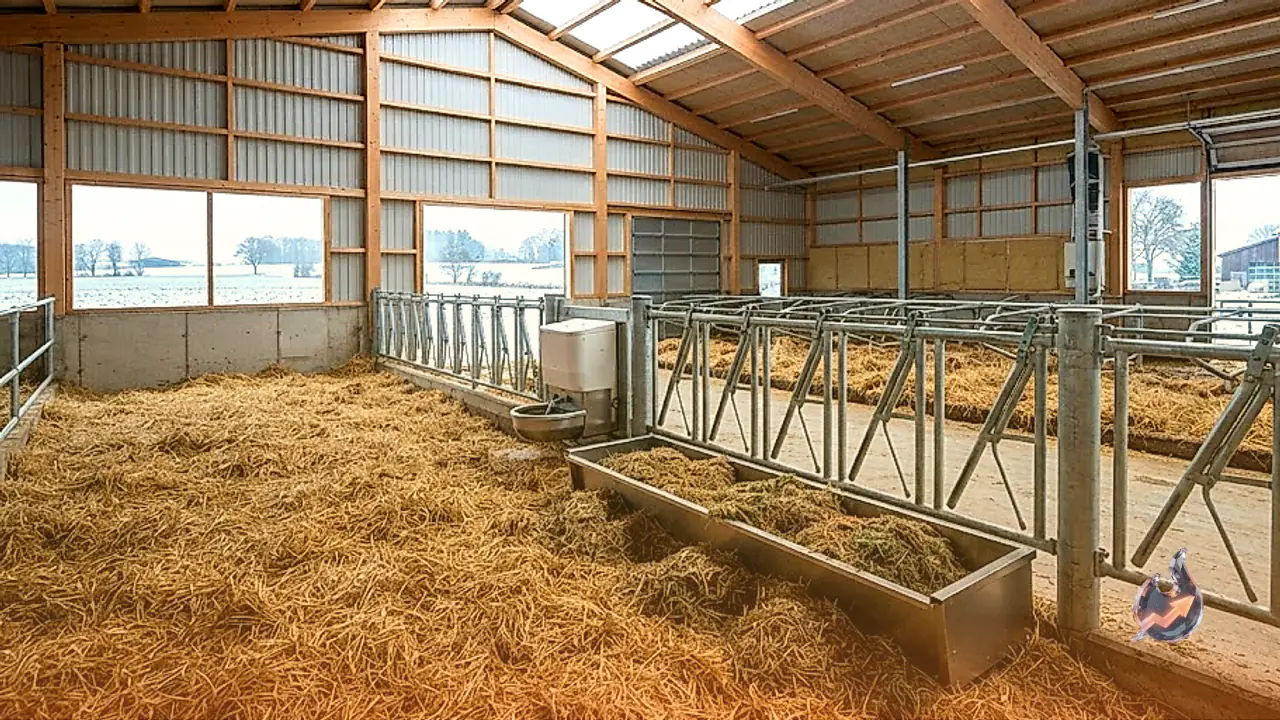
During the winter season, animals should be housed in secure enclosures rather than being tied outside in the open. Protecting them from cold night breezes is particularly crucial. While shelters must block direct drafts of cold air, adequate ventilation should still be maintained to allow fresh air circulation. The resting areas for animals must be kept clean and dry, avoiding damp and muddy ground surfaces completely. If temperatures drop drastically, burlap sacks can be used as makeshift covers, provided they do not restrict the animal's movement or cause any breathing difficulties.
Provide a Balanced Diet and Proper Nutrition
According to veterinary guidance, animals during the winter months should receive green fodder, dry fodder, and a balanced animal feed tailored to their specific requirements. Incorporating a mineral mixture into their daily diet is also highly beneficial. The exact quantity of feed must be determined based on the animal's age, weight, and milk output. Maintaining proper nutritional balance helps keep livestock healthy and minimizes the risk of adverse effects on overall milk production.
Use Jaggery and Pulses with Caution
Livestock owners can integrate crushed pulses and other nutritious elements into the rations of their animals. Jaggery water or porridge mixed with jaggery can also be fed according to individual requirements, though the quantities must remain strictly balanced. Excessive amounts of jaggery or high-energy feed should be avoided. Furthermore, many animals tend to consume less water during the winter, yet an insufficient water supply can severely impair their health and milk yield. Therefore, clean drinking water must be provided regularly. Water troughs should be kept clean, and owners must monitor whether the animals are drinking adequate amounts.
Maintain Special Vigilance Over Dairy Animals
Milking animals like cows and buffalos can experience drops in milk production due to cold stress, inadequate feeding, or water deprivation. Consequently, their diet, housing conditions, and daily routines demand close attention. If an animal suddenly experiences a drop in milk output, stops eating, or exhibits unusual behavioral shifts, these signs should never be ignored.
Identify Early Symptoms of Illness
Livestock keepers must remain vigilant if an animal develops a persistent cough, nasal discharge, lethargy, loss of appetite, or breathing difficulties during the winter season. If the body temperature feels abnormal or the animal behaves strangely, veterinary examination should be sought immediately. Antibiotics or other medications must never be administered without professional veterinary advice. Timely treatment prevents minor health issues from escalating into severe conditions.