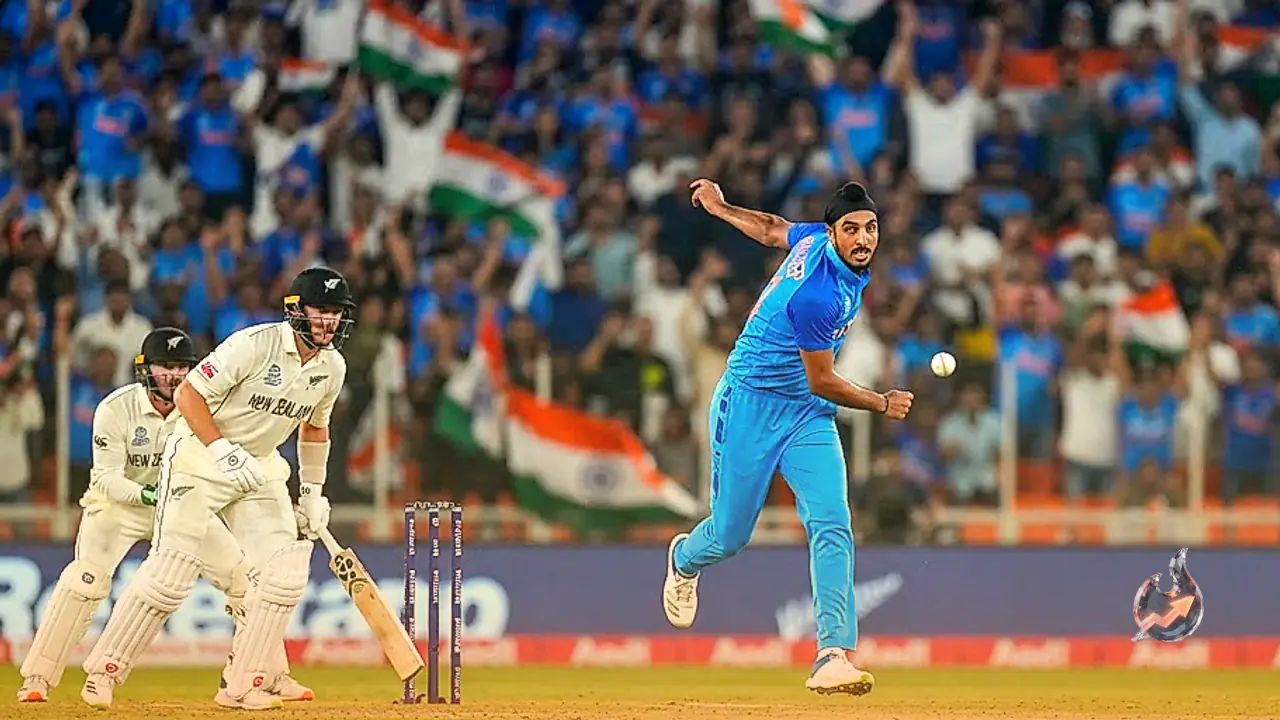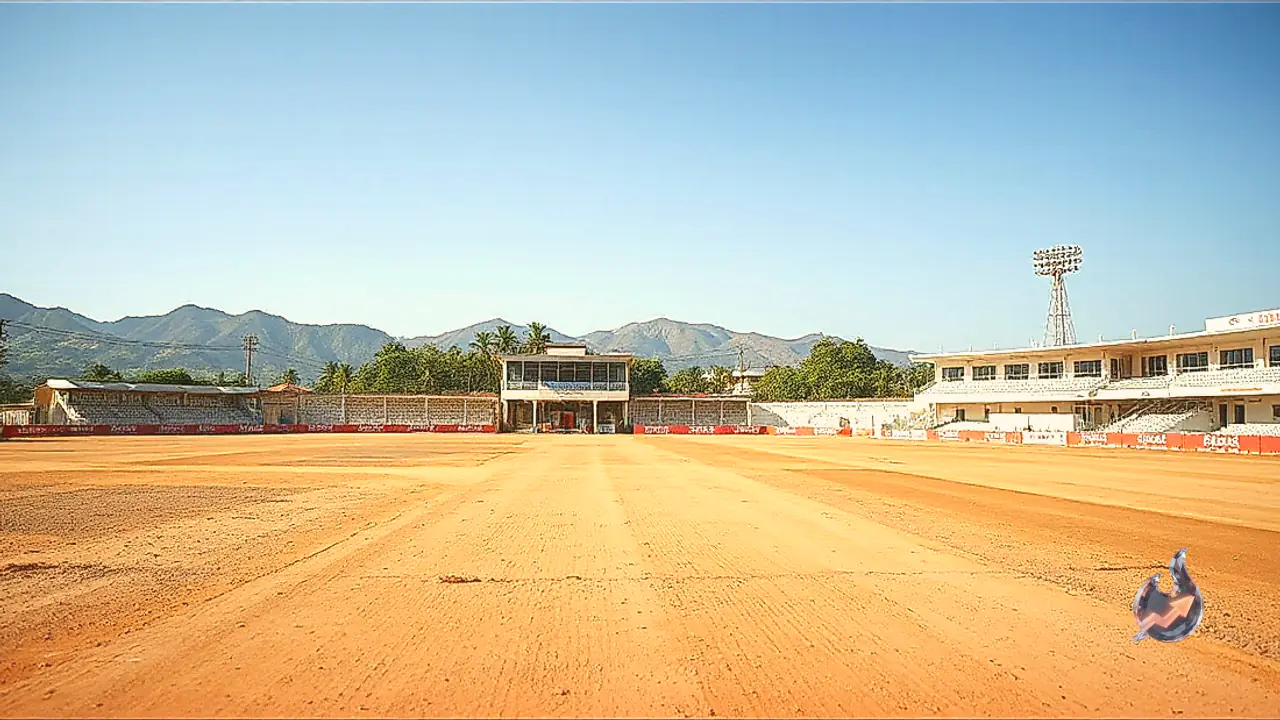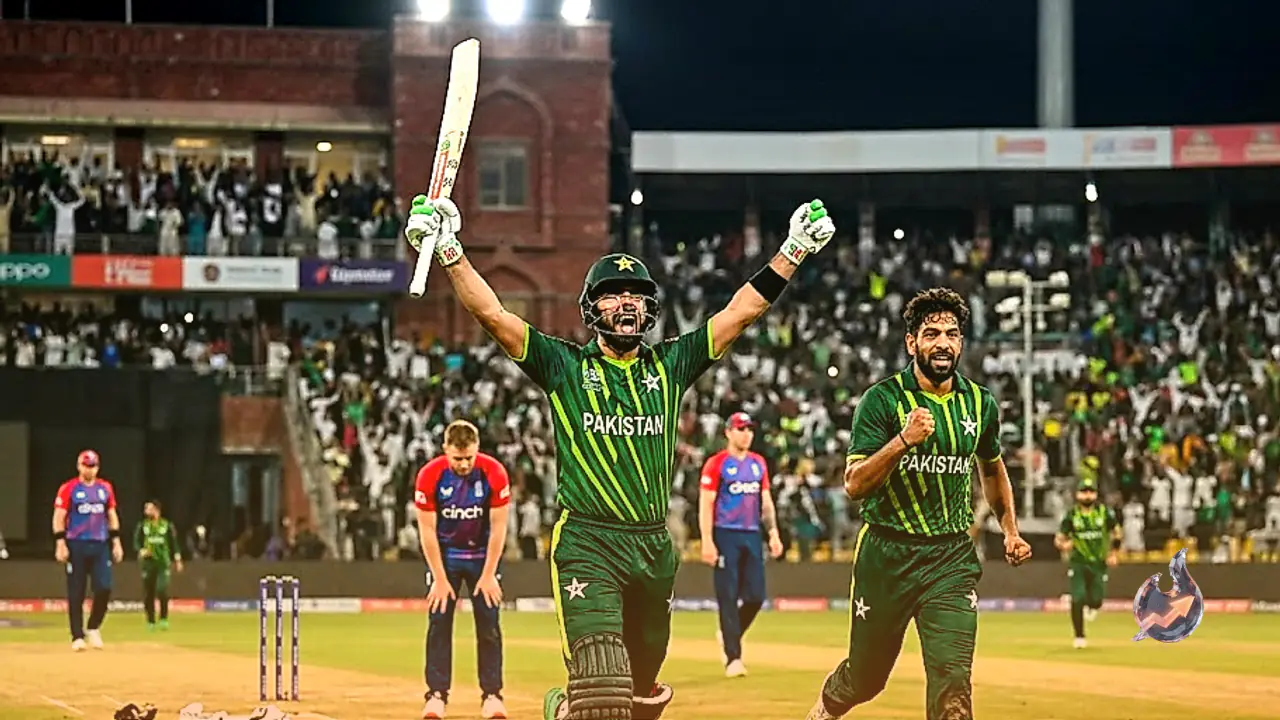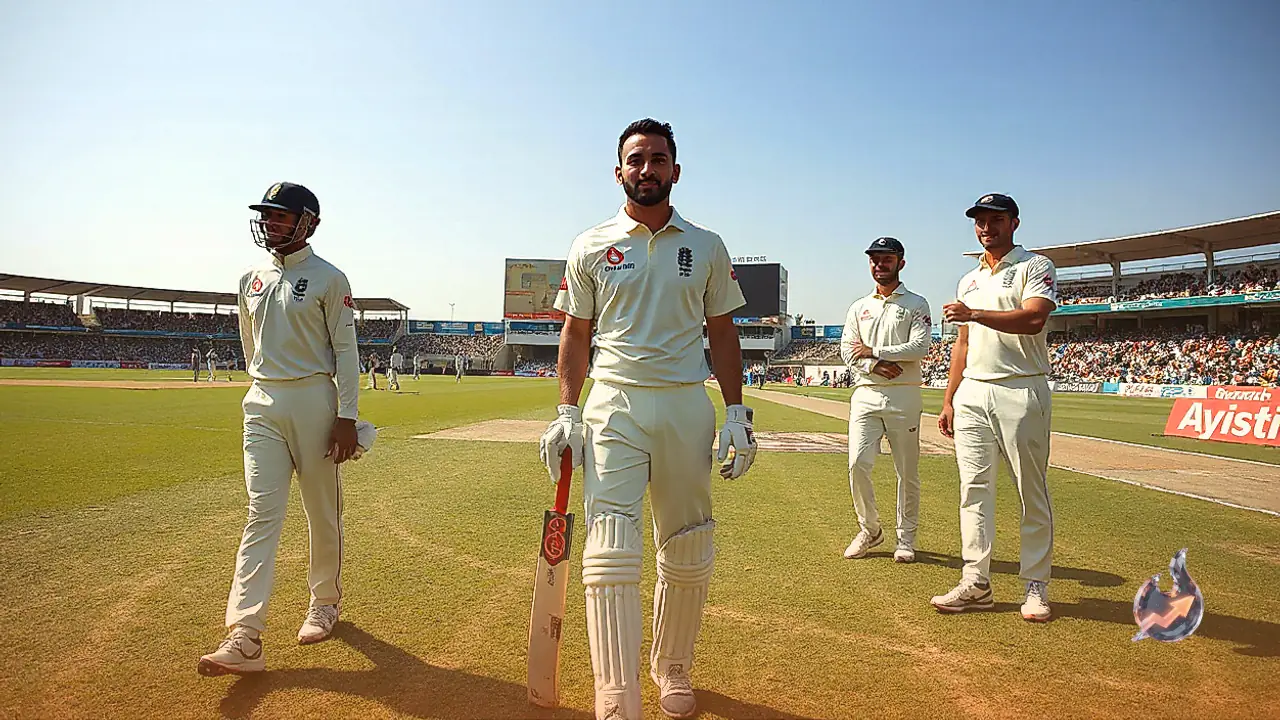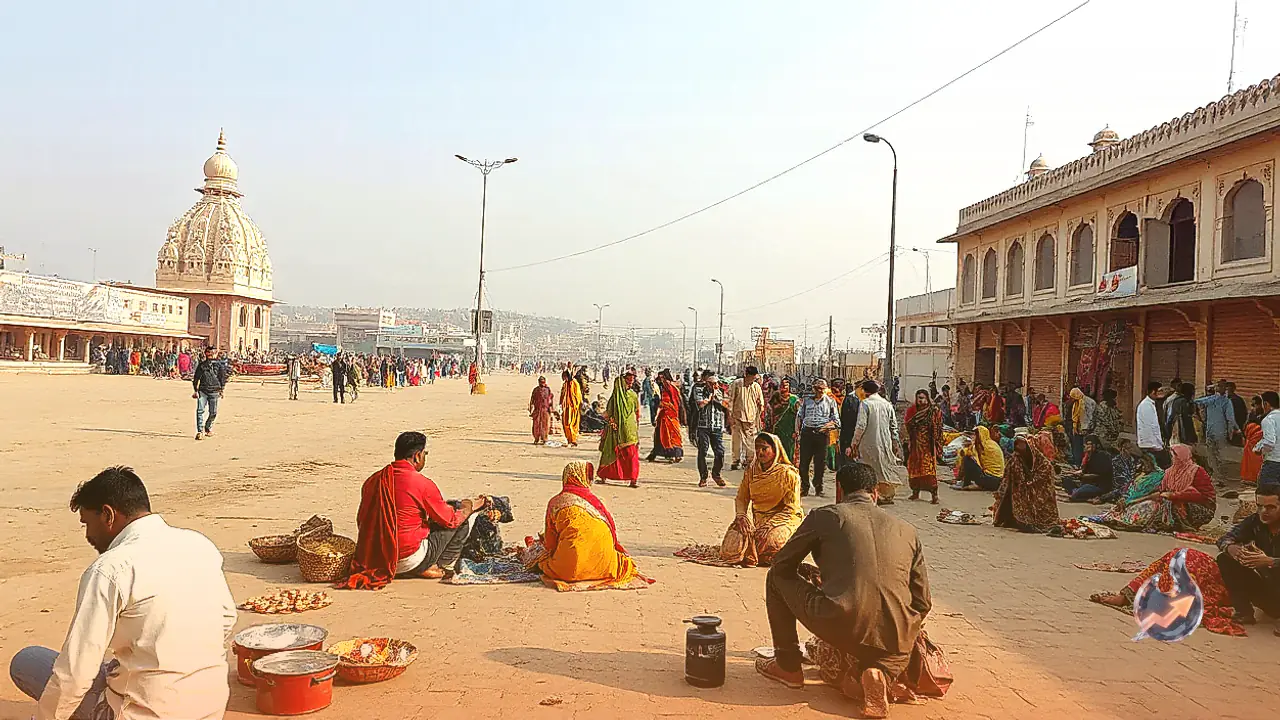



















A heated debate is currently underway within the sporting ecosystem regarding the participation of India's premier cricket team in the upcoming Asian Games. At the heart of the discussion are the logistical hurdles in Nagoya, where adequate rooms and high-end hotels have not been smoothly secured for the visiting contingent. With the possibility of players having to share rooms if conditions fail to improve, questions are being raised about whether sending top athletes into less-than-ideal environments is practical. Despite these administrative shortcomings, the Board of Control for Cricket in India is expected to field its strongest possible lineup.
Building Soft Power on the Global Stage
India has been steadily working toward establishing sports as a core component of its national soft power. Having set sights on hosting the 2030 Commonwealth Games and launching a strong bid for the 2036 Olympic Games, opting out of sending a top-tier squad to the Asian Games could severely undermine these ambitions. Such a move would project an image that the country does not take multi-sport spectacles with the required seriousness. Minor logistical inconveniences pale in comparison to the strategic message sent to the global community when a nation participates with full force.
The Invaluable Village Experience
Athletes across generations have historically cherished the unique culture of staying within the Olympic or Asian Games Village. Accommodations inside these hubs rarely exceed a three-star standard, yet the intangible value of the shared environment remains unmatched. Athletes do not enter a games village expecting luxury hotel amenities; rather, they seek the priceless interactions that occur behind the scenes. Moments such as meeting global icons and exchanging insights on managing competitive pressure outweigh any temporary logistical discomfort.
Administrative Lapses and Limited Choices
The current situation is far from ideal, a predicament largely attributed to delayed planning under ACC leadership headed by Mohsin नकवी. Had proactive measures and room reservations been made a year in advance, the present scramble could have been avoided. With Nagoya facing a severe shortage of alternate hotel inventory, stakeholders now face a stark choice of accepting the available arrangements or walking away entirely. Nevertheless, the overarching objective of strengthening India's athletic standing makes the deployment of a first-string team necessary.
Legacy, Glory, and National Pride
Tennis legend Roger Federer famously regarded winning the doubles gold medal alongside Stan Wawrinka at the 2008 Beijing Olympics as one of the proudest achievements of his career, ranking it above several of his Grand Slam singles titles. Standing on a multi-sport podium and watching one's national flag rise offers an emotional resonance unique to such global gatherings. When forced to choose between hotel luxury and bringing home a gold medal for the country, athletes will invariably prioritize the medal above all else.