























Dogecoin has been battered hard during this bear market, and the pain keeps mounting. Over the past week alone, DOGE shed 12.3%, while the monthly loss stretches to nearly 28%. Measured against its all-time peak of $0.7316, the original memecoin now sits roughly 90% in the red. Despite commanding significant clout in the memecoin space, Dogecoin's price performance over the past several years has been a severe disappointment for long-term holders.
A Critical Floor Comes Into View
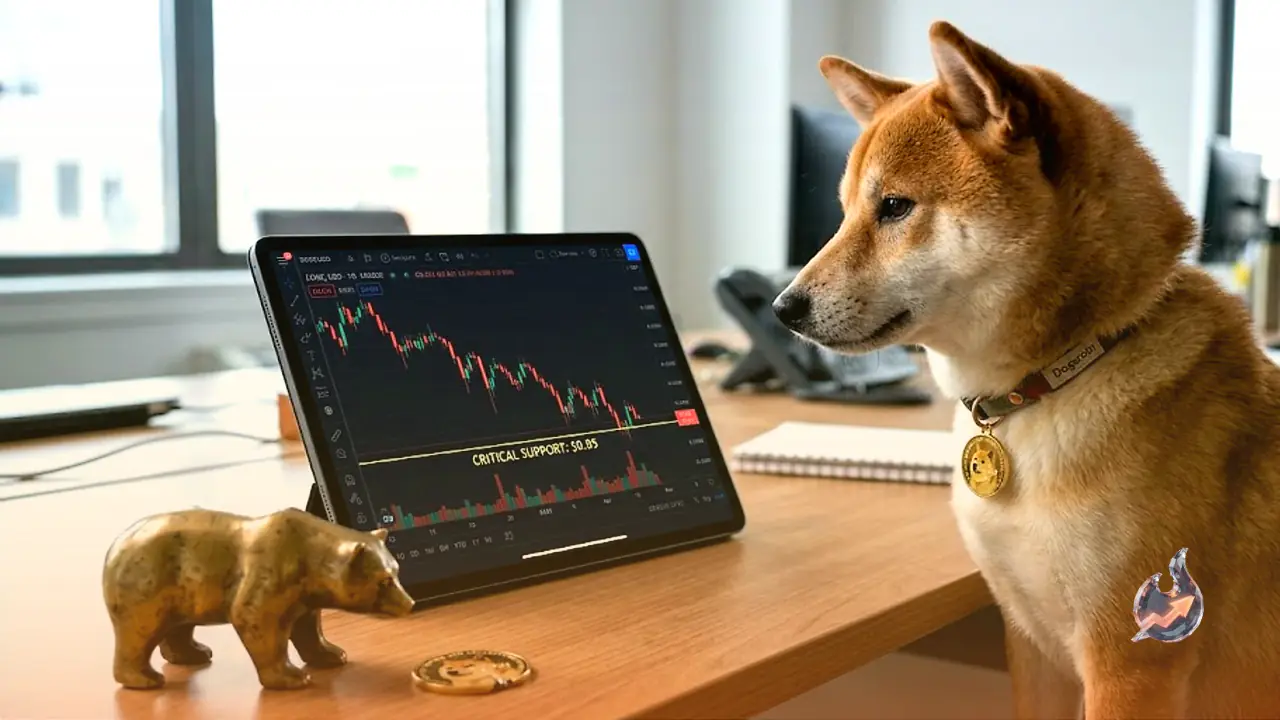
DOGE is currently trading at multi-year lows, hovering dangerously close to the $0.072 support level. If that mark gives way under continued selling pressure, a slide toward $0.05 becomes a genuine possibility. That price point carries historical significance: the last time DOGE changed hands at $0.05 was back in October 2023. Each time the token has retreated to that zone historically, buyers have eventually stepped in and driven a recovery. If another test of that level materializes, a similar rebound pattern could follow, though the fragile market climate makes any certainty difficult. This $0.05 scenario represents the worst-case outlook for Dogecoin at this stage.
Crypto and Stock Markets Both Feeling the Strain
DOGE's troubles are not unfolding in isolation. Bitcoin, the benchmark for the entire crypto sector, has dropped below $60,000, rattling investor confidence across the board. Even traditional equity markets have been gripped by heightened volatility. A broad sense of financial anxiety appears to be cutting across virtually every asset class right now.
Why the Memecoin Boom Has Gone Quiet
Dogecoin's downtrend has been playing out for quite some time. The memecoin hit $0.46 in December 2024, but nothing has gone right since that peak. What has been particularly striking is that even Bitcoin's record-breaking surge to a new all-time high of $126,080 in October 2025 failed to ignite any meaningful rally in DOGE. A Bitcoin bull run typically lifts the entire crypto market, memecoins included. The fact that this did not happen suggests something more structural has shifted in investor sentiment.
Two overlapping pressures appear to be responsible. First, the memecoin landscape has grown extraordinarily crowded. Hundreds of newer tokens now compete for the same pool of speculative capital that once flowed primarily to Dogecoin, diluting its appeal and dragging down interest significantly. Second, a deteriorating macro backdrop combining heightened geopolitical tensions with broader economic uncertainty over recent years has pushed investors into a decidedly risk-off posture. Memecoins occupy the highest-risk tier of the investment spectrum, and when risk appetite dries up, they bear the brunt of the selling most acutely. The practical result is clear: investors are not committing fresh capital to DOGE or any other meme-themed project in meaningful volume right now.