






















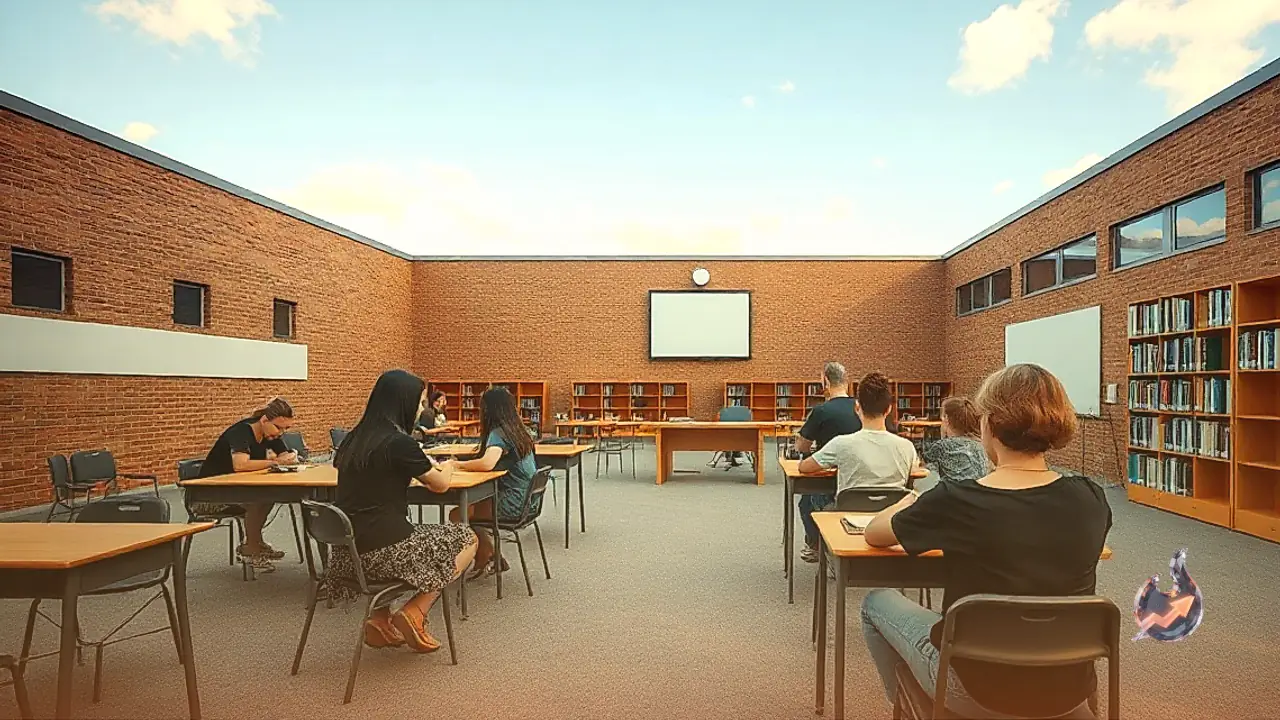

Across the modern educational landscape, relationships between students, teachers, and school leaders are facing unprecedented strain. Educators today must navigate complex sociopolitical pressures, ongoing curriculum debates, and changing student behavior driven by escalating mental health challenges. Rather than relying solely on administrative mandates or strict disciplinary measures, forward-thinking educators are pioneering relationship-centered approaches. Empirical research and classroom observations confirm that focusing on belonging, co-regulation, structured student dialogue, and restorative conflict resolution creates a supportive climate where academic engagement and emotional stability can thrive.
Connection Before Correction: Fostering Classroom Belonging
In a 5th-grade mathematics classroom, a teacher named Sarah noticed that a student named Maeve consistently displayed disruptive behavior right before major examinations. On test days, Maeve would crumple papers, disturb her peers, and make defensive remarks. Sarah faced a choice between immediate behavioral reprimand or establishing personal connection first. Choosing connection, Sarah quietly pulled Maeve aside to inquire about her emotional state regarding the upcoming test.
Maeve admitted to intense anxiety and fear of failure. Sarah listened attentively, normalized test anxiety, and reassured her that making mistakes is an integral part of learning. Once Maeve felt validated and calm, Sarah briefly addressed the earlier disruption, treating it as a symptom of underlying anxiety rather than deliberate misbehavior. A survey of nearly 100 educators highlights that simple practices, such as warm greetings at the door, active listening, and validating student emotions, lay the groundwork for strong trust.
When students experience what researchers identify as belonging uncertainty, they doubt their social connection to the learning environment, which leads them to view academic challenges as insurmountable obstacles. Prioritizing connection before correction reassures students that obstacles are temporary and manageable within a supportive community.
Empowering Student Voice Through Structured Dialogue
Following the tragedy of George Floyd in June 2020, graduates from a suburban high school contacted their former district curriculum office. They reported feeling unprepared to participate in complex discussions surrounding race and social equity in their college environments. When secondary social studies and English language arts (ELA) teachers were informed, many expressed hesitation, fearing that open debates on controversial topics could trigger microaggressions or administrative backlash.
Research indicates that open classroom dialogue requires deliberate structural scaffolding to remain constructive. Educators adopted evidence-based practices to facilitate respectful civic debate
- Co-creating Classroom Norms: Engaging students in establishing guidelines for respectful peer interactions during sensitive discussions.
- Scaffolding Civil Discourse: Utilizing structured frameworks like Yes-No-Maybe exercises to teach active listening, reflection, and balanced articulation of viewpoints.
- Audience-Focused Communication: Training students to adapt their tone and argumentation for diverse audiences, including peers, educators, and community members.
Structured forums such as Socratic seminars and restorative circles cultivate an environment where students feel safe taking intellectual and social risks without fear of personal hostility.
Co-Regulation as the Foundation for Emotional Stability
Following a conflict in a middle school algebra class, a student entered the school counselor's office displaying acute physiological signs of distress, including rapid breathing and tense posture. Rather than immediately interrogating the student about the altercation or issuing warnings about school behavioral codes, the counselor sat beside the student and calmly suggested taking slow, deep breaths together.
Once the student's nervous system returned to a baseline state, the counselor asked open-ended questions to guide the student in processing the conflict and formulating an actionable plan to repair the peer relationship. This process relies on co-regulation, where a calm adult provides external scaffolding to help a dysregulated child stabilize their emotional state.
Psychiatrist Dr. Bruce Perry outlines a three-step neurosequential framework for co-regulation
- Regulate: Use physiological grounding exercises, such as deep breathing or movement, to soothe the lower brain.
- Relate: Establish an empathetic human connection through active listening and validation.
- Reason: Engage the higher cortical brain regions in logical reflection and collaborative problem-solving.
Neuroscience confirms that logical reasoning cannot occur until the brain's lower stress centers are fully regulated.
Restorative Practices Over Exclusionary Punishment
During a 7th-grade social studies group project, an argument erupted between two students over task allocation. One student slammed her laptop closed and declared she gave up because her partner insisted on doing everything her own way. Instead of dispatching the students to the administrative office for disciplinary sanctions, the classroom teacher led both students into the hallway for a brief restorative conversation.
The teacher asked each student to share her perspective and identify who was impacted by the outburst. She then prompted them with repair-focused questions, asking what concrete steps they could take to resolve the conflict. Within five minutes, both students agreed to apologize to their project team and clearly delineate individual responsibilities. Studies by the Learning Policy Institute demonstrate that restorative practices significantly reduce suspensions, diminish bullying, and bolster academic connectedness compared to punitive measures.
Educator Wellness and Organizational Co-Regulation
The emotional demands placed on educators during and after the COVID-19 pandemic highlighted the necessity of supporting teacher mental health. School administrators recognize that adults must be emotionally regulated in order to effectively co-regulate students. One principal established a three-minute structured routine at the beginning of staff meetings called SELf-Questioning.
Using an "I do, We do, You do" structure, the principal aloud asked two core reflective questions: "What am I feeling right now?" and "What strategy can I use to calm myself?" Staff members then wrote down their responses, shared them in pairs, and eventually introduced the same reflection technique to their students. Systemic investment in adult emotional well-being fosters greater professional resilience and improves overall school climate.
Reclaiming Human Connection as the Core of Education
Sustainable improvement in school climate does not stem from increasingly rigid policies or punitive enforcement. Grounded in neuroscience and educational research, relationship-centered strategies recognize that student behavior is a direct form of communication. By prioritizing belonging, structured dialogue, co-regulation, and restorative resolution, schools construct a safe foundation where both students and educators can thrive academically and personally.