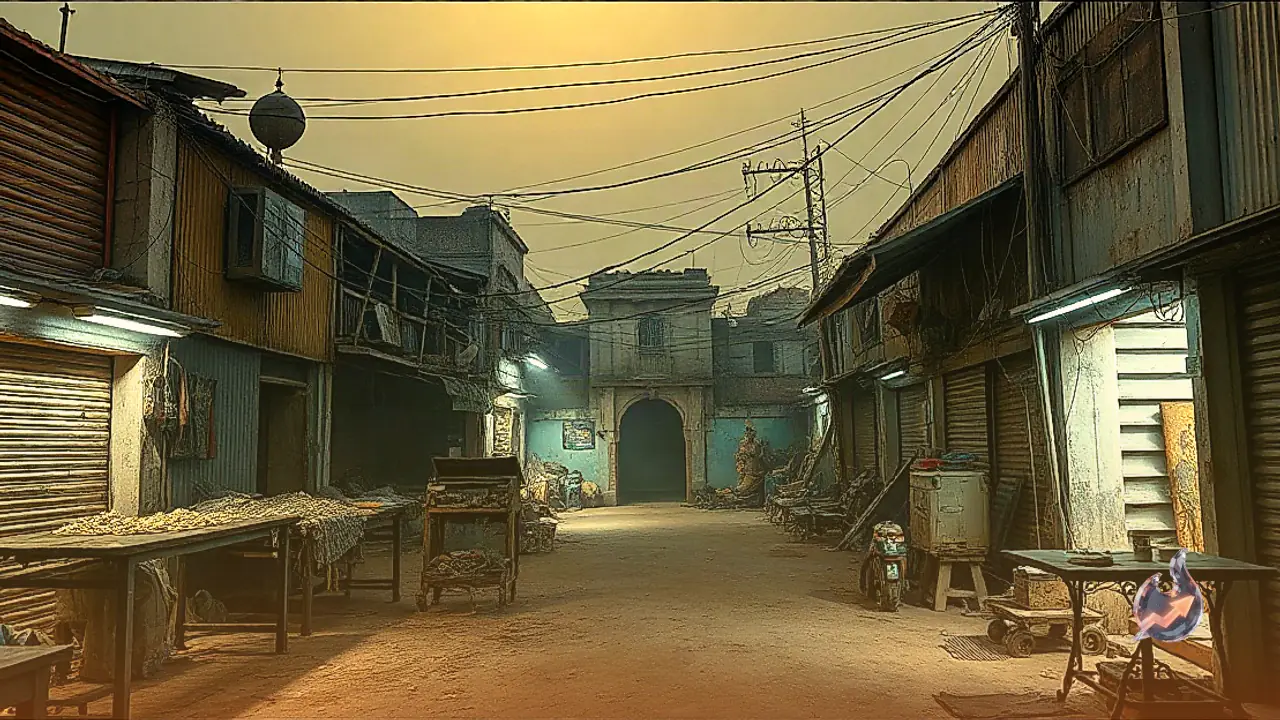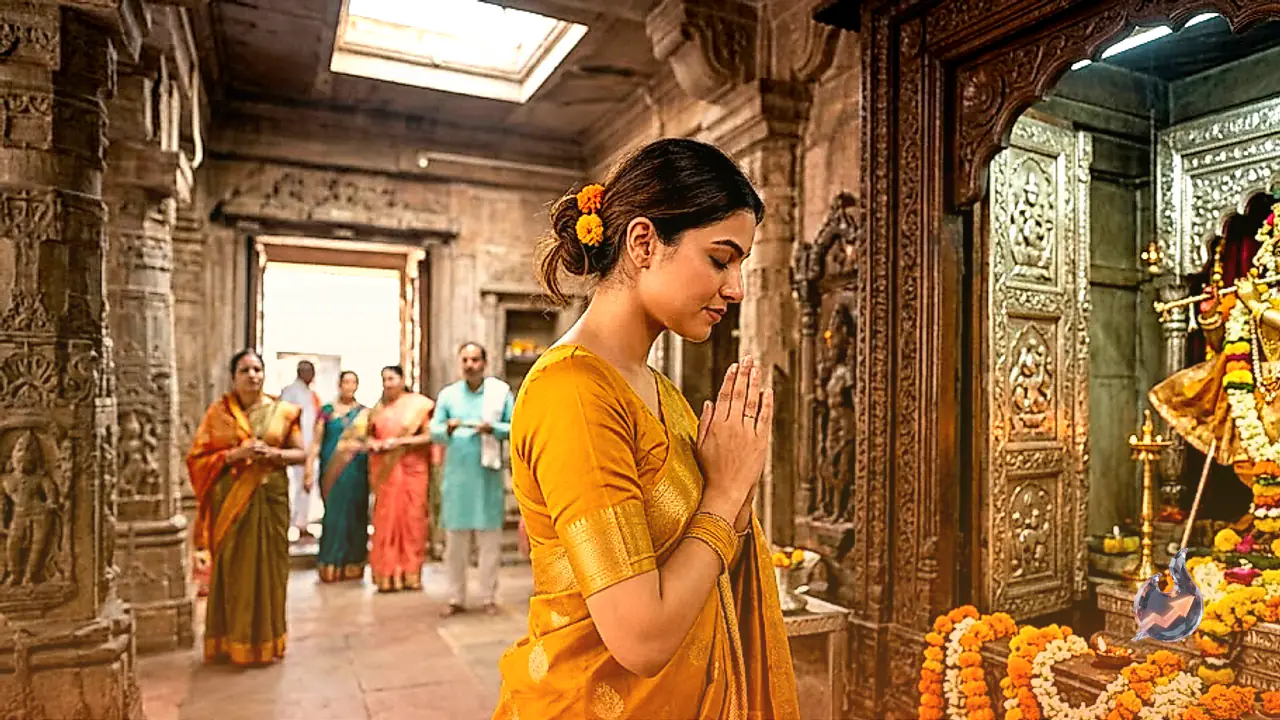




















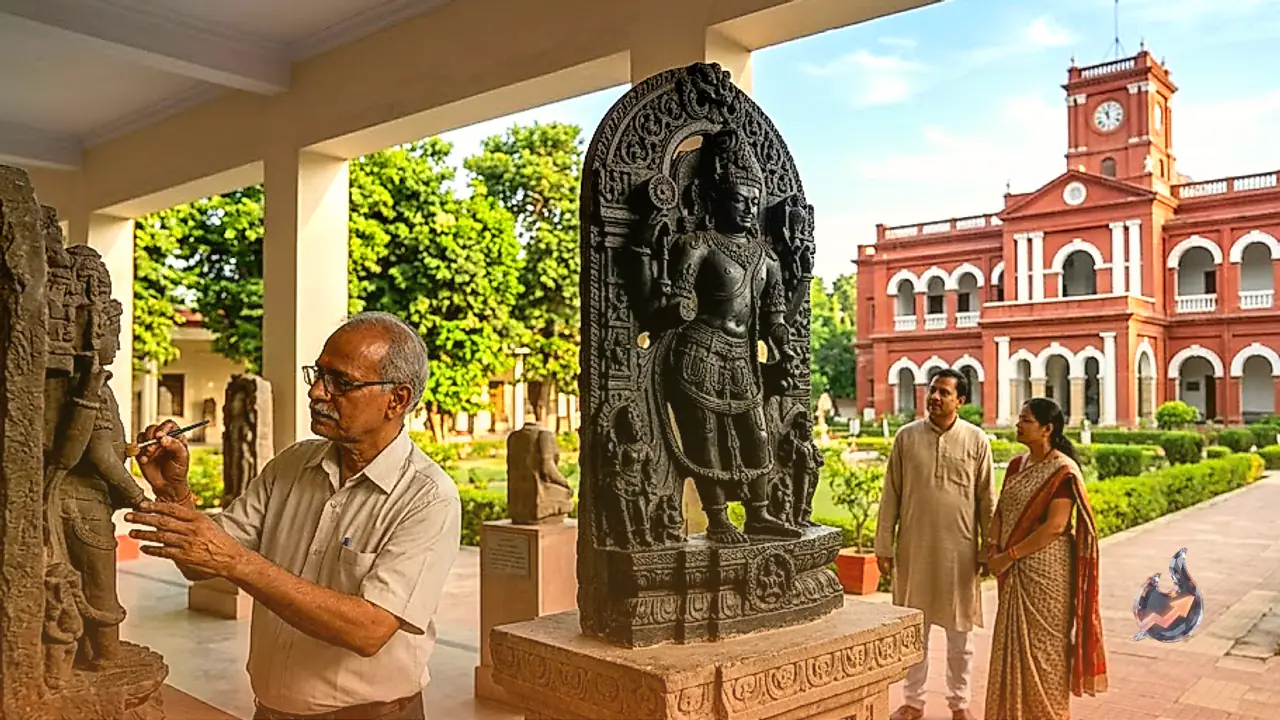

Situated in eastern Uttar Pradesh, the historic city of Gorakhpur is widely celebrated as the sacred abode of Mahayogi Guru Gorakhnath and a vital hub of spiritual devotion. Beyond its religious prominence, however, the city preserves a multi-layered historical heritage spanning centuries. From ancient civilizations to the era of British colonial rule, Gorakhpur houses numerous old buildings, temples, and archaeological artifacts that narrate stories of bygone eras. Scattered across different neighborhoods, these historic sites feature architectural designs and sculptures that bear witness to the region's dynamic past, making the city a significant destination for history enthusiasts and academic researchers alike.
Colonial Architecture and British Era Landmarks
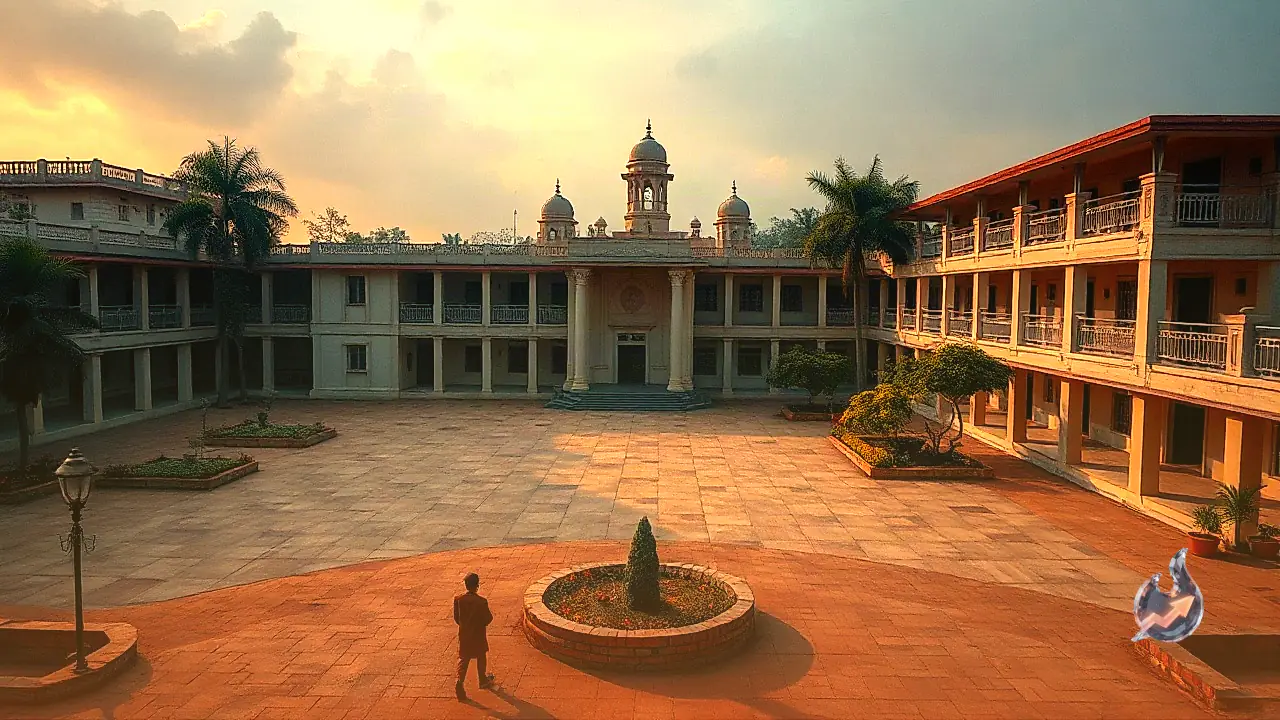
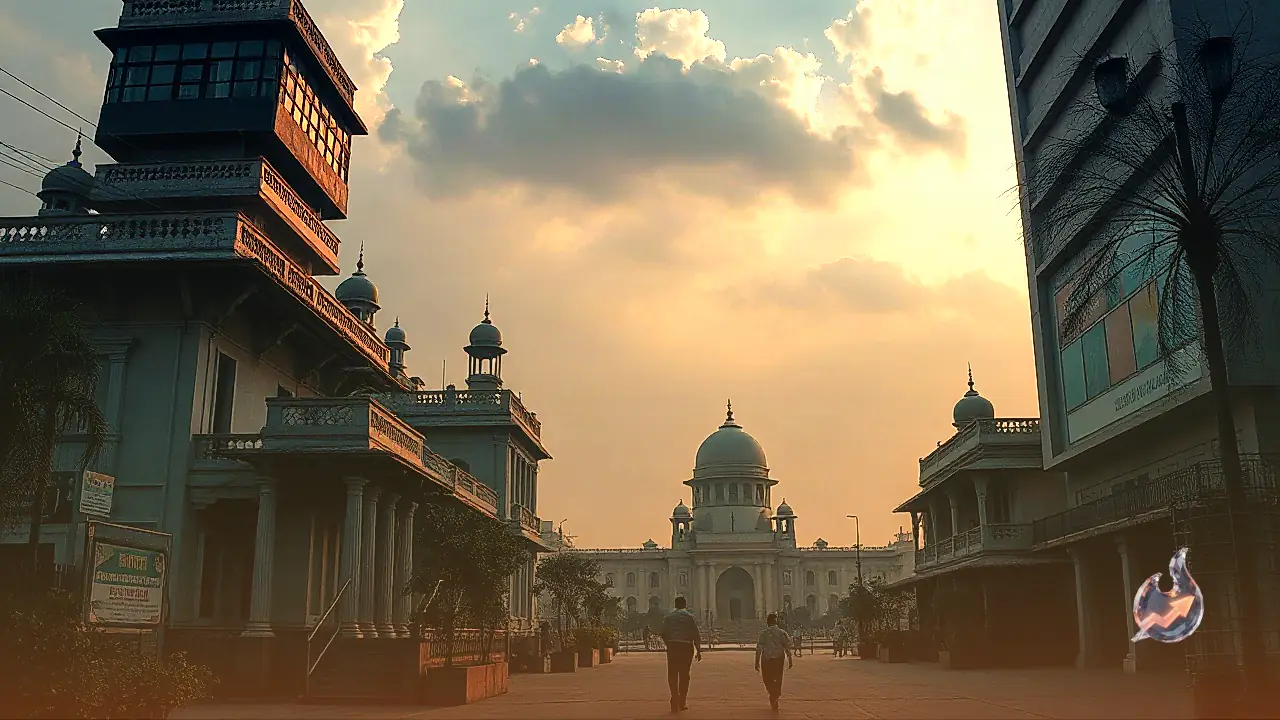
A prominent segment of Gorakhpur's built environment reflects its colonial past. Within the Jamia Islamia campus, a historic red-brick structure stands as a striking reminder of British governance. Local history experts note that during colonial times, this building served as an operational center for the indigo trade and associated administrative functions. Its red-brick masonry, distinctive layout, and colonial architectural elements vividly reflect the commercial operations of that period. Beyond this campus, several other structures showcase British-era construction in the city, including the old railway station complex, Saint Andrews Church, and select administrative buildings that offer insights into the region's colonial administrative evolution.
Pala Era Sculptures and Ancient Artistry
The historical timeline of Gorakhpur extends far beyond colonial times into antiquity. According to Professor Pragya Chaturvedi from the History Department at Gorakhpur University, several ancient statues located at the Vishnu Temple and Vindhyavasini Park belong to the Pala artistic traditions. The intricate craftsmanship, carving techniques, and structural composition of these sculptures demonstrate that a sophisticated religious and cultural tradition flourished in the region during the Pala period. Professor Pragya Chaturvedi emphasizes that Gorakhpur's history spans several centuries, with these surviving artifacts serving as crucial links to ancient Indian art and civilization.
Cultural Influences of the Malla and Kosala Regions
Historians also highlight Gorakhpur's deep connections with the cultural heritage of the ancient Malla and Kosala territories. Positioned along the fertile banks of the Rapti and Rohini rivers, the area historically functioned as a vital crossroads for trade routes, cultural exchanges, and religious gatherings. Over the centuries, the region absorbed artistic and social influences from the Pala dynasty, the medieval era, and eventually British rule. Physical evidence of these historical phases remains preserved across various parts of the city, depicting how Gorakhpur evolved over time while maintaining its core cultural identity.
Preservation Needs and Heritage Tourism Potential
As Gorakhpur undergoes rapid modern urban development, the conservation of its historical monuments and ancient artifacts has become increasingly vital. These structures and sculptures are not merely old brick edifices or carved stones; they represent the foundational identity and cultural memory of the city. Heritage experts point out that with structured restoration efforts, effective conservation plans, and proactive promotion, Gorakhpur can emerge as a major destination for heritage tourism alongside its established reputation in religious tourism.