




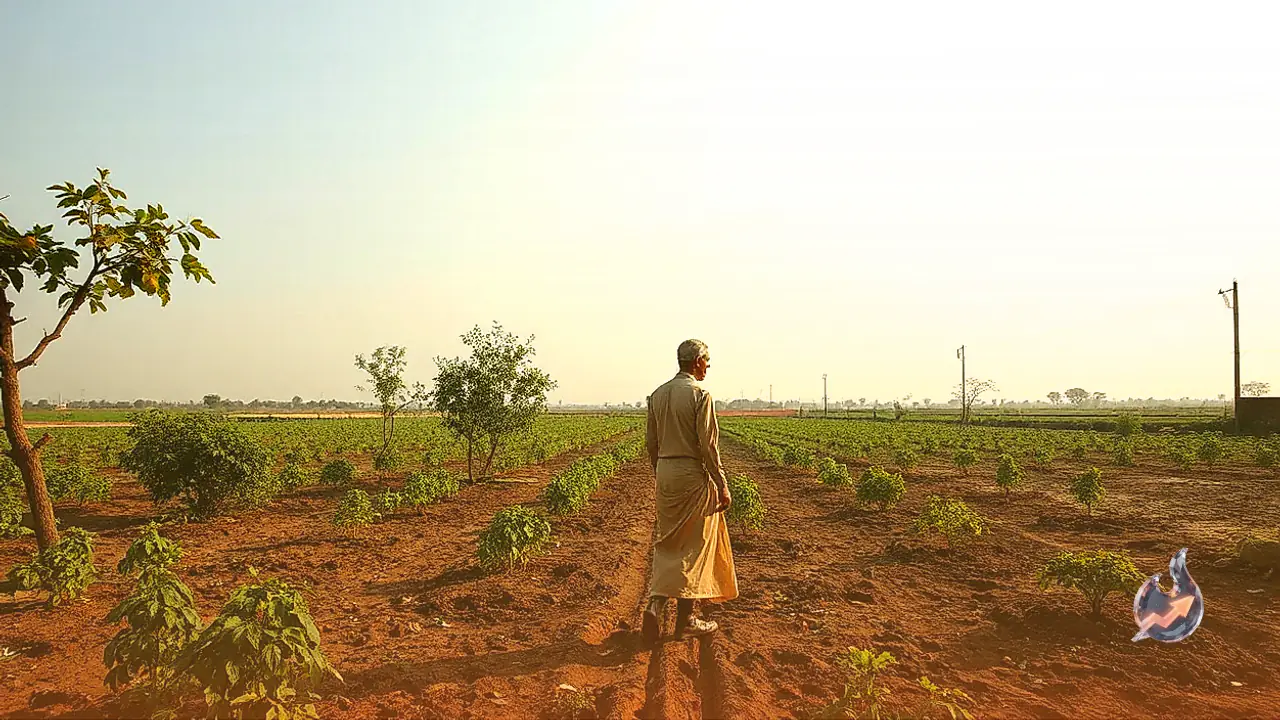
















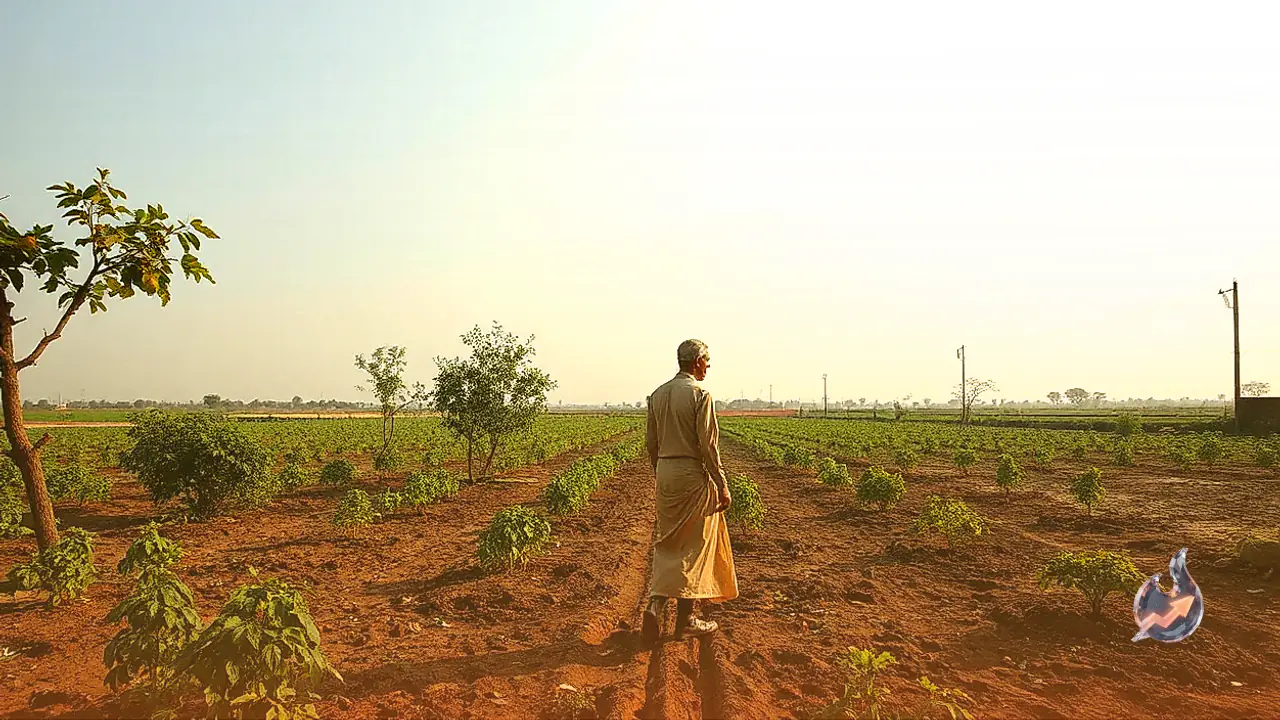

Agriculture in the Karmaha region of Surguja district in Chhattisgarh is witnessing a strong inclination toward native crop cultivation. Amid the rising dominance of hybrid varieties, local farmers have dedicated large tracts of land to growing traditional tomatoes. Spanning an estimated 50 to 100 acres, these crops are currently ripening in the fields, with harvesting slated to begin by the second week of November. The natural aroma and unique qualities of this produce continue to draw strong interest from consumers near and far.
Compact Size and Distinctive Flavor Profile
Native tomatoes are generally smaller in physical appearance compared to the large, uniform varieties commonly found in commercial markets. However, their compact size is overshadowed by an intense fragrance and a rich balance of sweetness. A young local farmer named Mahesh noted that this traditional variety is cultivated without heavy chemical fertilizers and pesticides. This chemical-free approach ensures strong local demand, as consumers actively seek out its authentic and unadulterated taste.
From Seedling Preparation to Ridge Planting
The cultivation of native tomatoes follows a careful, multi-step agricultural process. Initially, seeds are sown on leveled land, followed by a waiting period of roughly 15 to 20 days for the seedlings to sprout and mature. Once the young plants reach a suitable stage for transplantation, farmers prepare structured ridges across the fields. The tomato saplings are then carefully planted along these elevated ridges to optimize growth and moisture management.
Culinary Versatility in Traditional Kitchens
The utility of native tomatoes extends far beyond standard vegetable preparations in rural households. They are widely used to prepare flavorful chutneys, and rural residents deeply relish traditional style roasted tomato dishes known as chokha. Despite modern dietary shifts, the classic taste of these tomatoes retains a devoted following, securing a distinct identity and continuous presence in local culinary traditions.
Contrasting Native and Hybrid Varieties
Significant differences set native tomatoes apart from their hybrid counterparts. According to Mahesh, hybrid tomatoes typically feature a much thicker outer skin and lack the distinct natural sweetness characteristic of local variants. In contrast, native tomatoes offer a pleasing combination of tanginess and sugar. This structural difference in skin thickness and flavor remains the primary reason why traditional varieties continue to outperform hybrids in personal preference.
Large-Scale Farming and Sustained Popularity
The immense popularity of native tomatoes is reflected in the vast acreage dedicated to their production in the region. With nearly all area farmers participating in the cultivation across 50 to 100 acres, the traditional farming sector remains robust. Driven by local demand and the appreciation of authentic flavors, farmers continue to champion this crop, ensuring that the genuine taste of native produce remains a staple in kitchens.