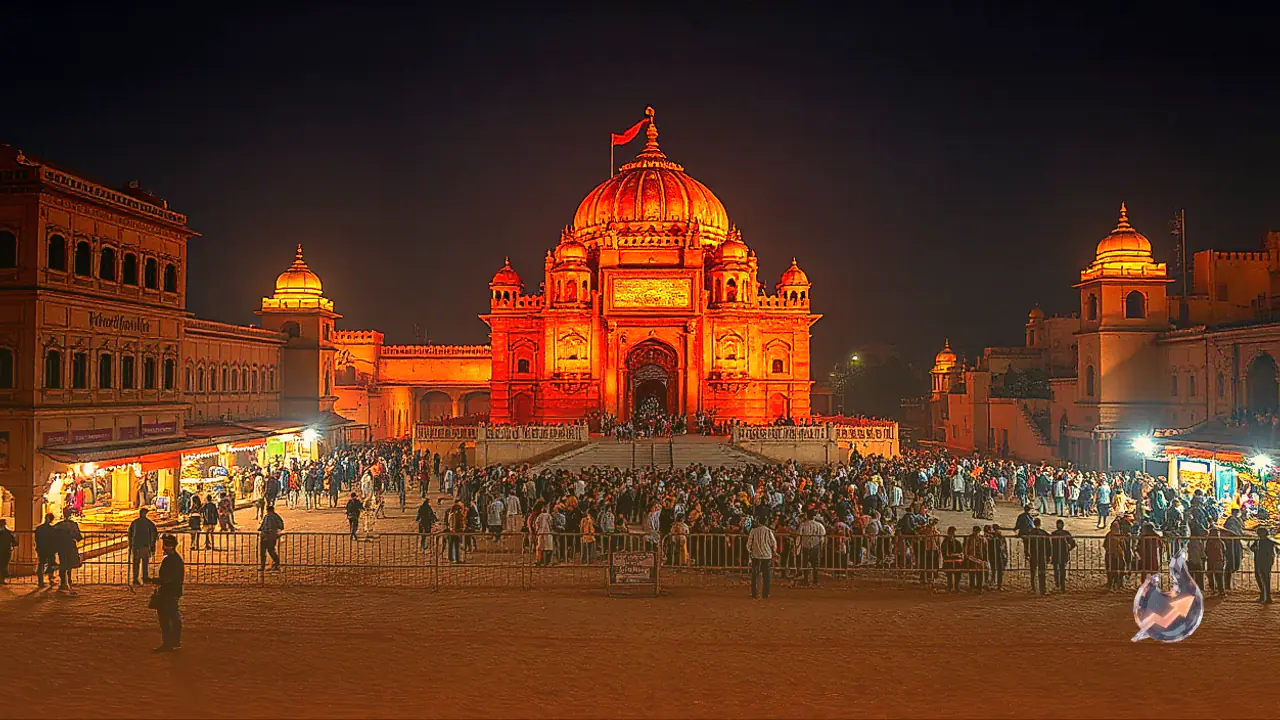
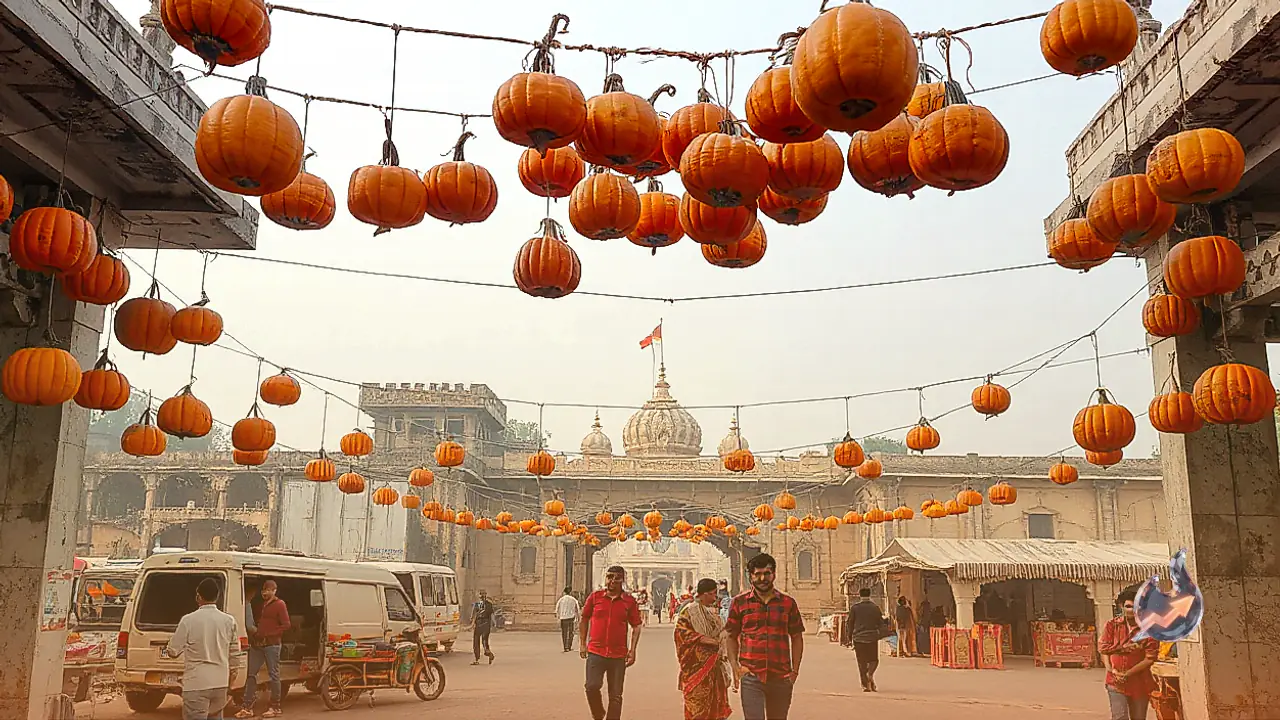
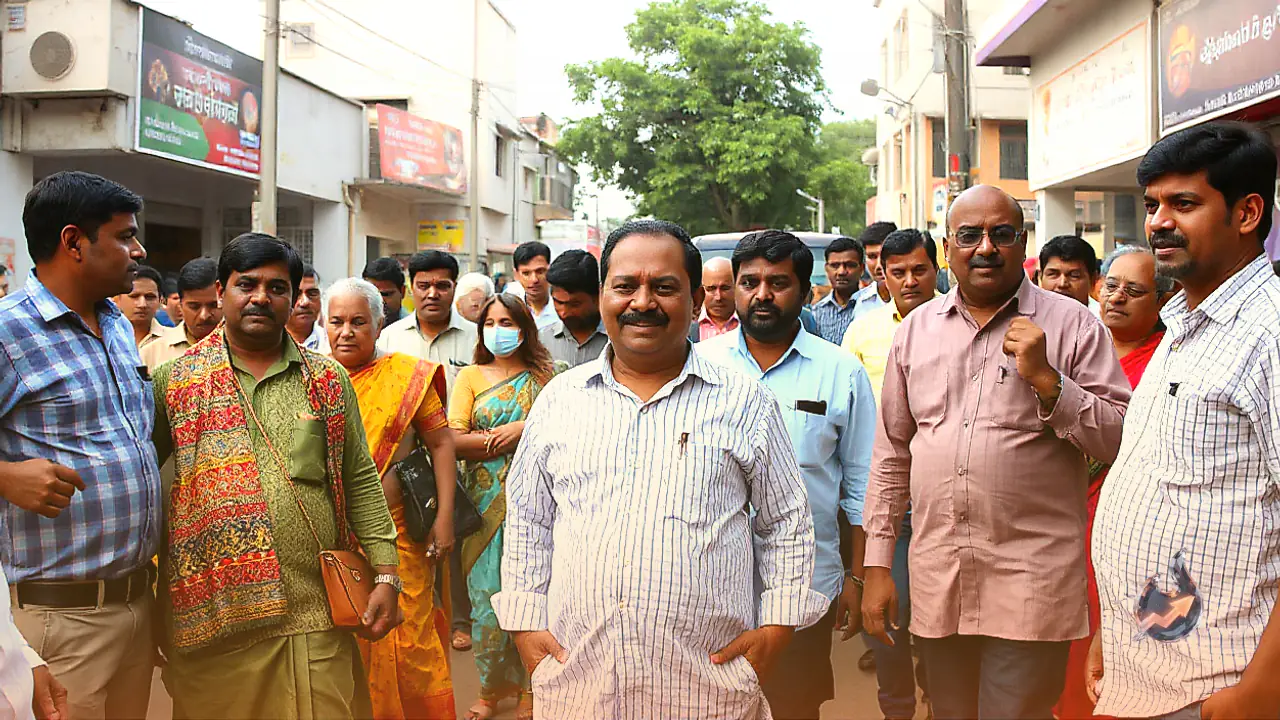
















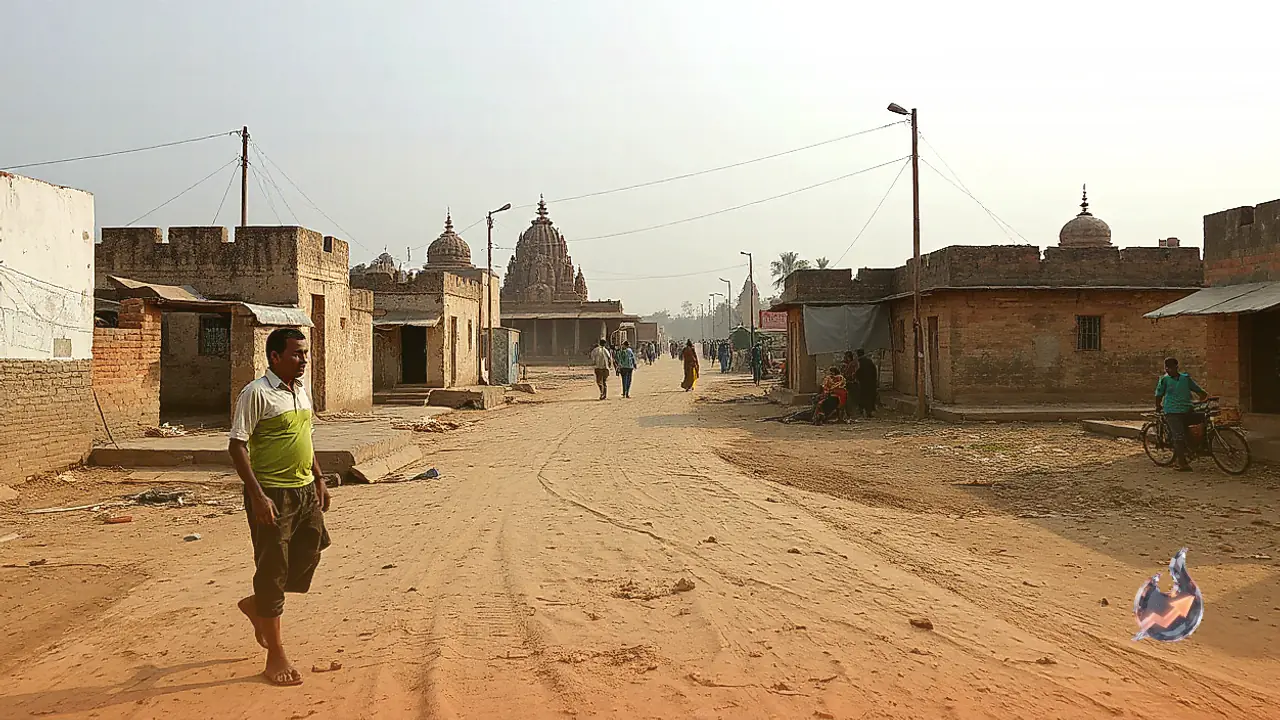

In the Mathura district of Uttar Pradesh, the historic settlements of Barsana and Nandgaon uphold a distinctive social custom that has endured across centuries. Guided by long-standing local convictions, residents of these two neighboring localities never arrange marriages between their communities. The people view this custom as an unbroken link to the Dwapara Yuga, adhering to it with deep cultural devotion from one generation to the next.
Reverence Rooted in the Divine Bond of Radha and Krishna
According to traditional lore across the Braj region, Barsana is celebrated as the cherished home of Radha Rani, while Nandgaon is revered as the abode of Lord Krishna. The shared heritage and spiritual identity of both localities revolve entirely around the devotion associated with Radha and Krishna. To preserve the sanctity and unique spiritual standing of this legendary bond, residents deliberately refrain from establishing familial matrimonial ties between the two villages.
Nandgaon resident Sushil Goswami explains that no wedding alliances have taken place between the two settlements for thousands of years. He points out that this uninterrupted norm dating back to the Dwapara era continues to be respected and observed by the modern inhabitants of both localities.
Festive Ties during Holi and a Distinct Culture of Respect
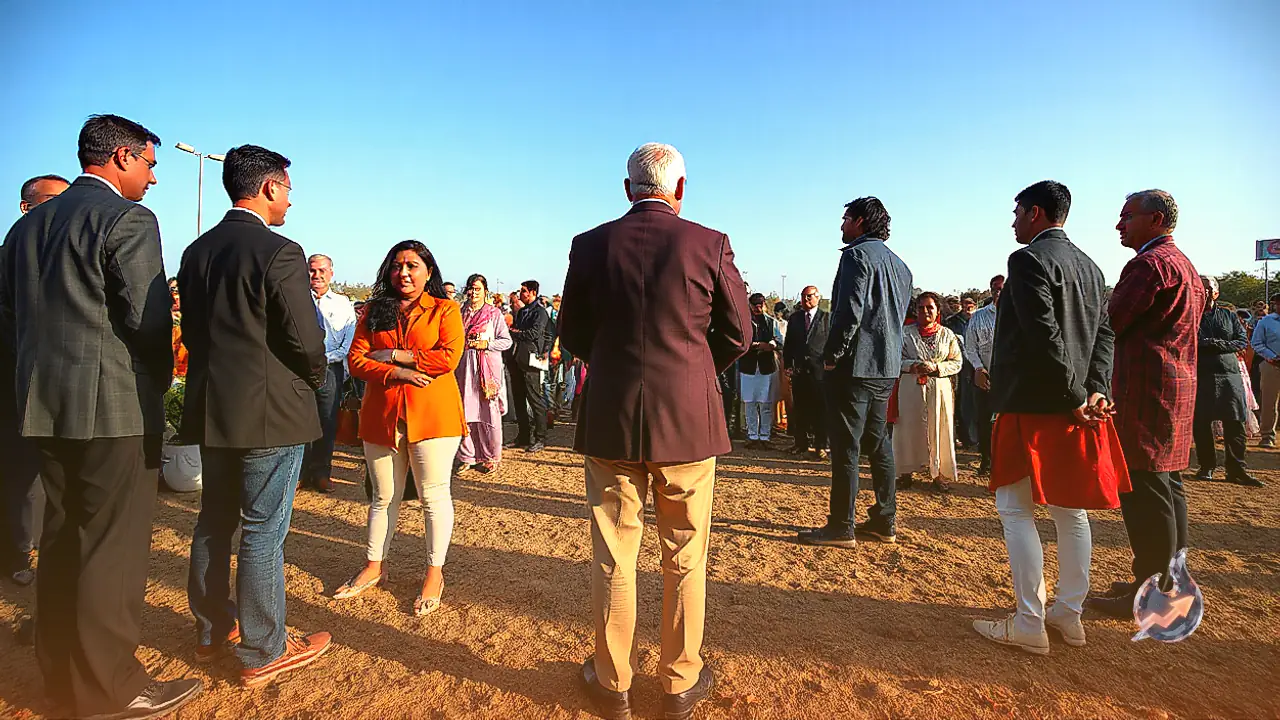
Despite strictly abstaining from marital relations, the two communities share an exceptional bond that comes alive during the festival of Holi. During this annual celebration, people from Barsana travel to Nandgaon to take part in festivities, while residents of Nandgaon visit Barsana in equal enthusiasm. Both villages celebrate the occasion together through traditional festive customs and rituals.
Highlighting an important cultural practice that follows the celebrations, Sushil Goswami notes that after playing Holi, the men touch the feet of the women they played colors with to seek their blessings. This local custom stands out as a meaningful gesture designed to show profound honor and respect toward women within the community.
A Social Custom Embraced Across Religious Communities
This generational convention transcends religious divisions in both settlements. According to local accounts, the practice of avoiding matrimonial ties between Barsana and Nandgaon is not confined solely to Hindu households. Muslim families residing in the region likewise do not marry their daughters into the neighboring village. Consequently, the tradition serves as a shared cultural foundation and enduring pillar of community unity across both settlements.