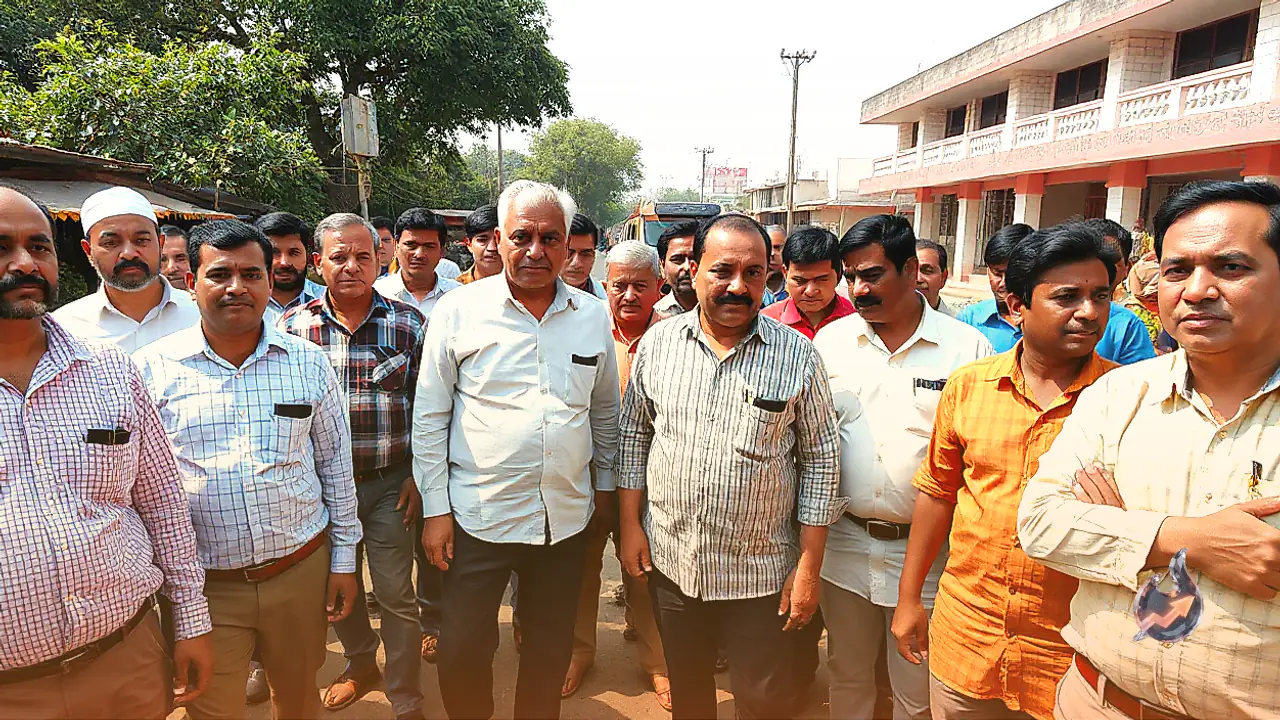














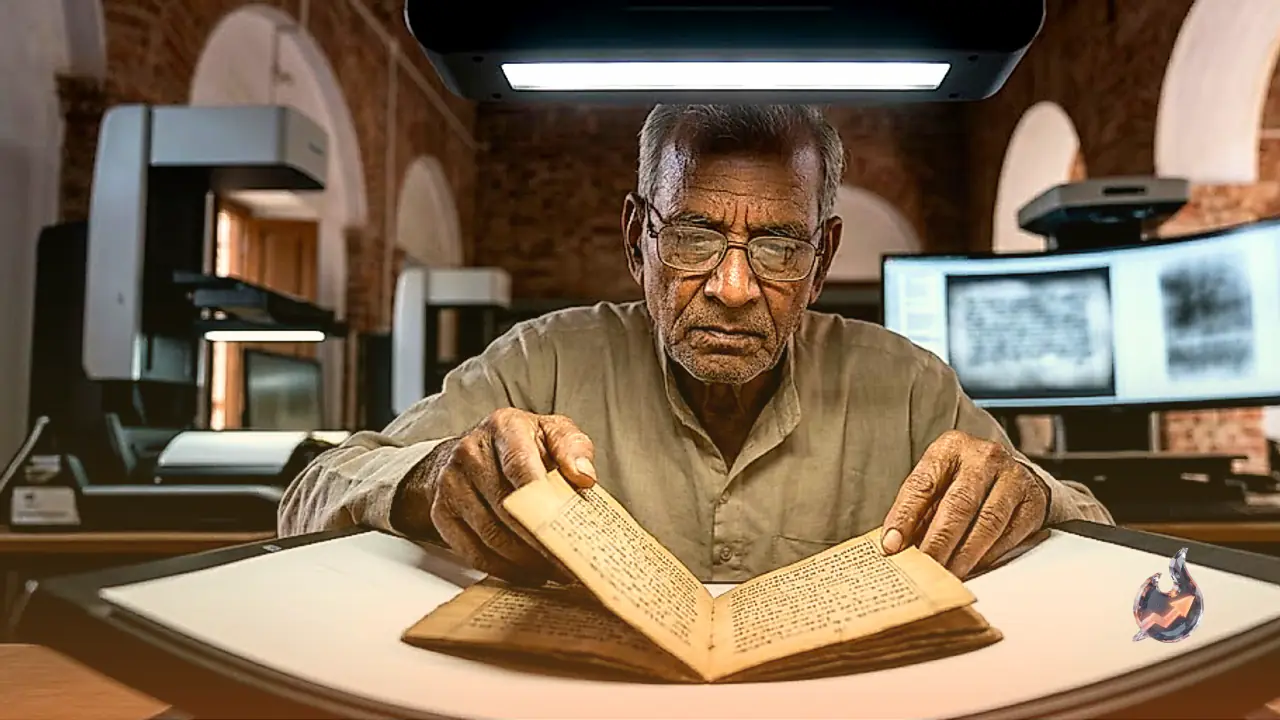

A specialized district-level committee has been established in the Madhubani district to focus on the conservation and digitalization of ancient manuscripts. Operating under the 'Gyan Bharatam Mission', the primary goal of this initiative is to secure old historical documents while revitalizing the rich cultural heritage contained within them. In an era dominated by high-speed digital technology and social media, where the younger generation seeks information through Google and mobile applications within seconds, preserving the ancient legacy of Mithilanchal has become a pressing necessity.
Securing History in a Digital World
As modern technology continues to reshape how information is consumed, efforts are underway to digitize the unique cultural assets of Mithila. The project will soon make it significantly easier for people to access and understand handwritten manuscripts and documents that were previously difficult to interpret. These materials include the genealogical records of the poet Mahakavi Vidyapati, as well as the historical accounts of the Maharajas of Darbhanga, Raja Nanyadeva, and the ancestors of the broader Maithil community.
The Initiative at Saurath Sabhagachhi
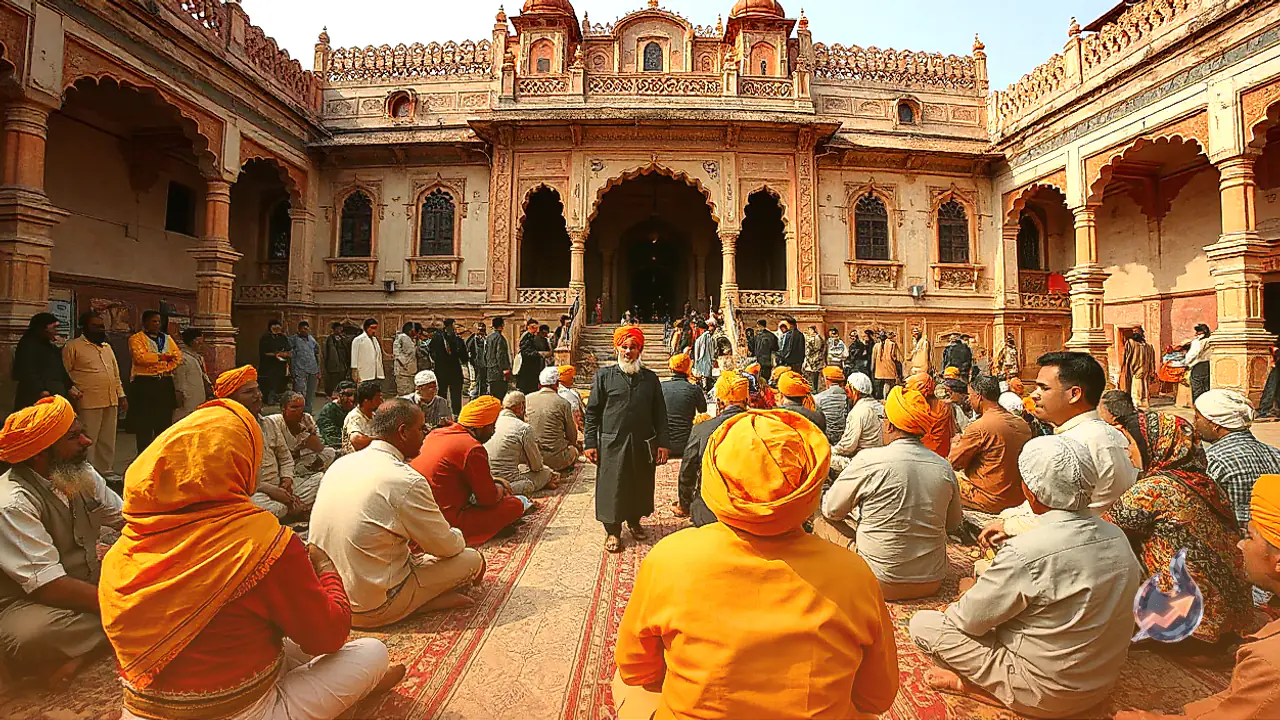
This mission to digitize invaluable records was initiated following a formal request submitted by several registrars of Saurath Sabhagachhi to the government. Through the collaborative efforts of government officials and various non-governmental organizations, the digitalization of these documents is now actively underway. The project involves scanning the original records and utilizing specialized computer fonts to publish them online. This ensures that the wisdom of the past is passed down to future generations, keeping the distinct traditions of Mithila alive.
Scientific Traditions: The Significance of 'Siddhant'
The practice of 'Siddhant', which involves matching family trees before marriage, is not merely a social formality in Mithila but a sophisticated social and scientific tradition. Under this practice, the family lineages of both the bride and groom are traced back through seven generations. The primary objective is to verify that they do not share the same lineage (Gotra) and that there are no close blood relations, which could pose health risks. From a scientific perspective, this tradition helps prevent the transmission of genetic disorders in future generations. Preserving such traditions now serves as a key pillar of this ongoing digital project.