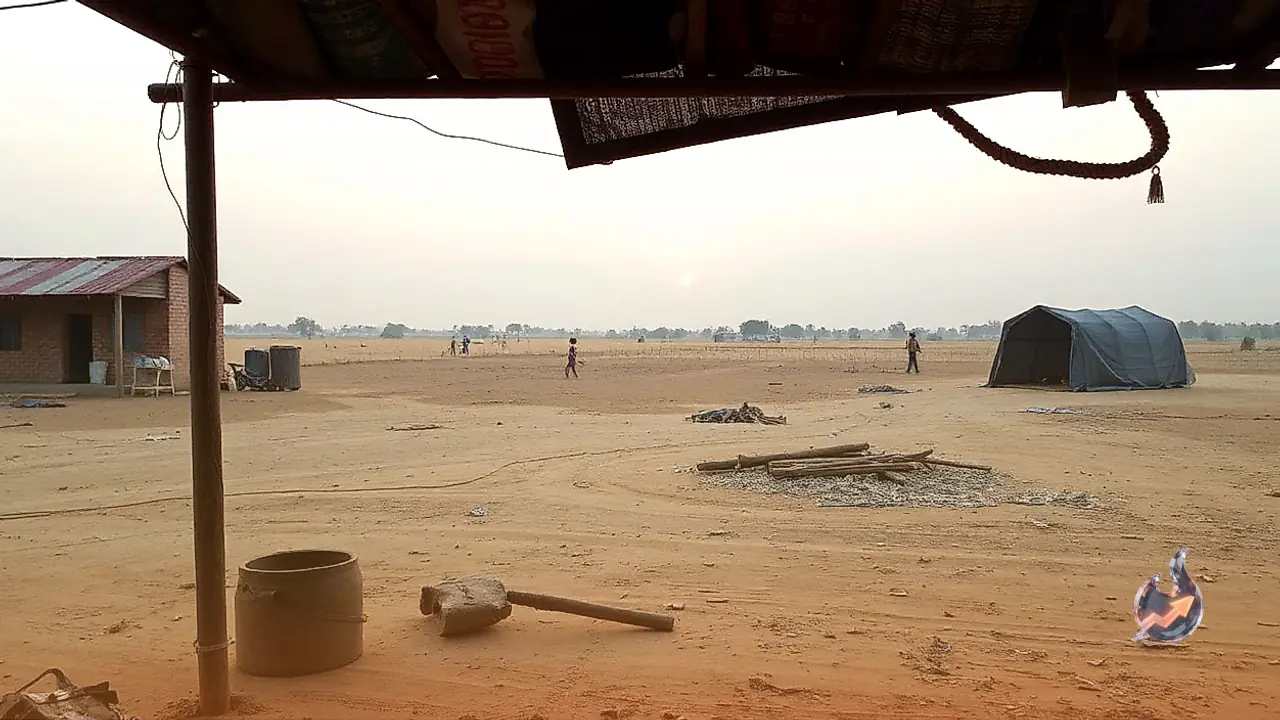



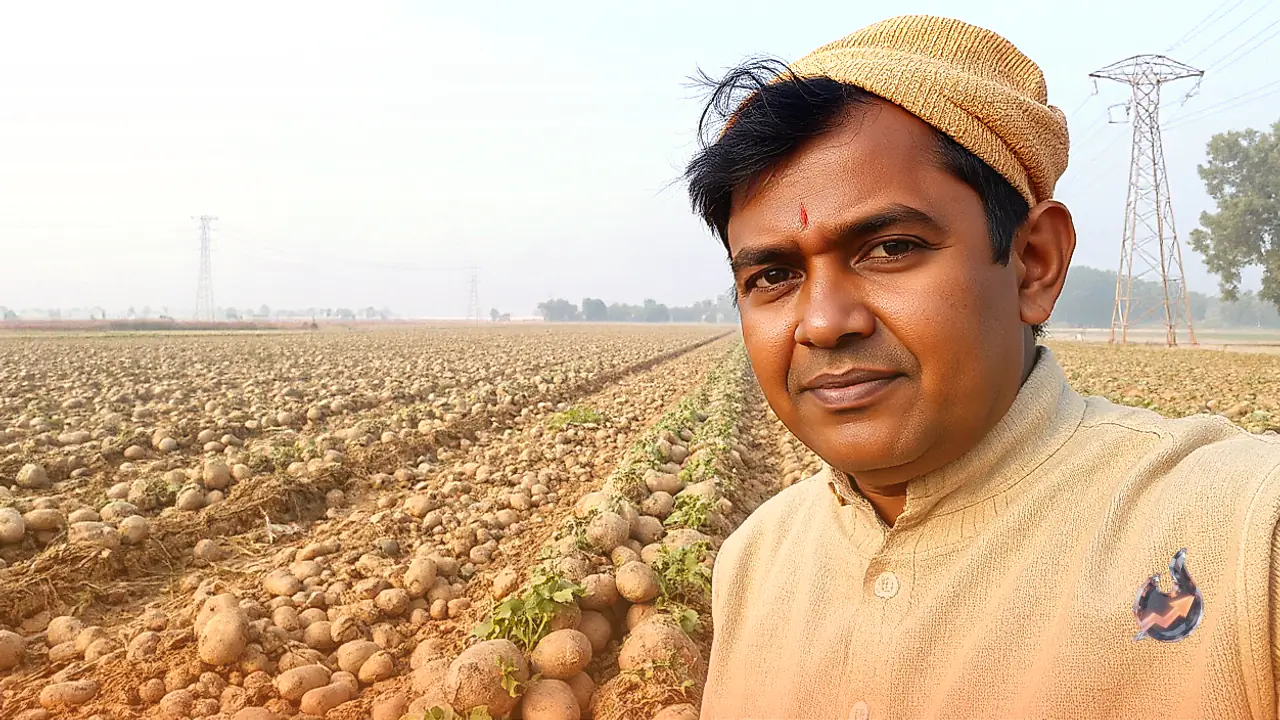

















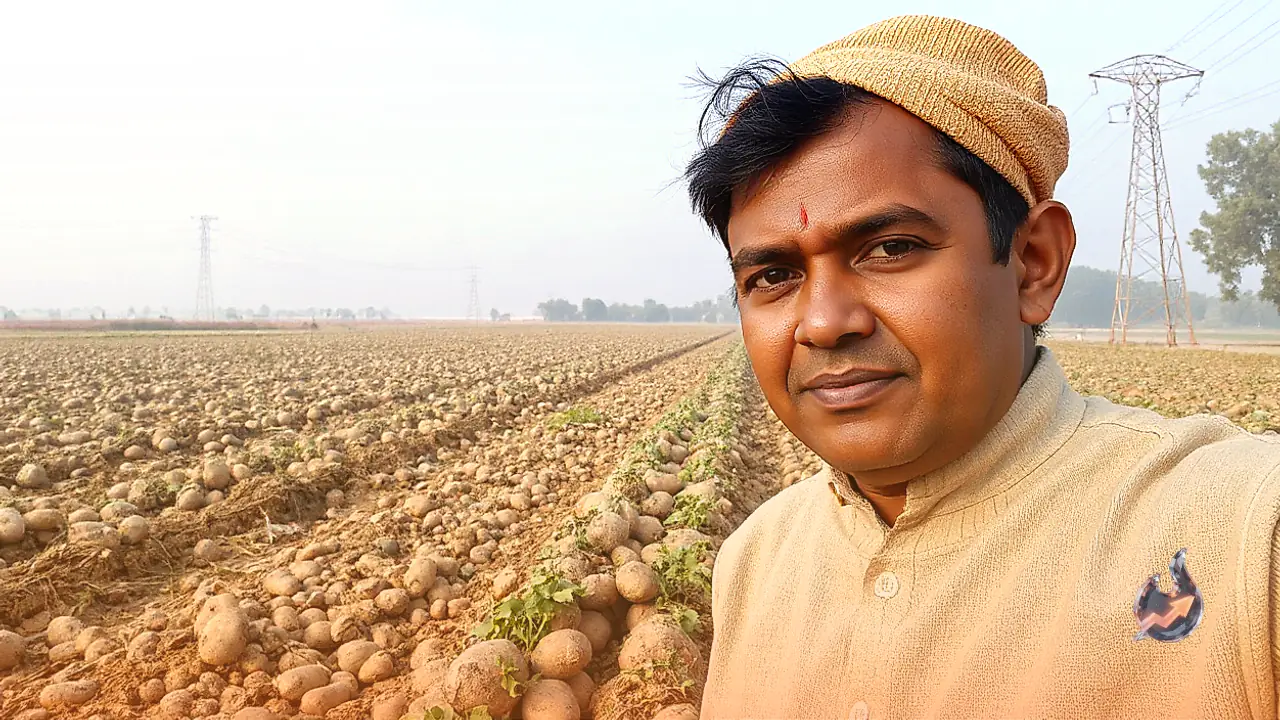

The arrival of the winter season in Deoghar, Jharkhand, brings growing concerns for local farmers as cold weather, heavy fog, and frost pose a significant threat to agricultural fields. Many cultivators are currently engaged in potato farming across the district, while several have already completed planting. Amidst these shifting weather patterns, failing to care for potato plants in a timely manner can lead to severe crop damage caused by fog and frost. When heavy fog sets in, potato plants begin to wither, and the negative impact becomes clearly visible on the leaves.
Relying later on chemical sprays to salvage the crop not only incurs financial costs for farmers but also makes the produce toxic, with no absolute guarantee that the harvest will be saved. To address this, timely awareness and proactive measures can help farmers ensure an excellent potato harvest. Understanding the early signs of weather-induced stress is vital for maintaining crop health throughout the winter months.
Expert insights on identifying and managing crop risks
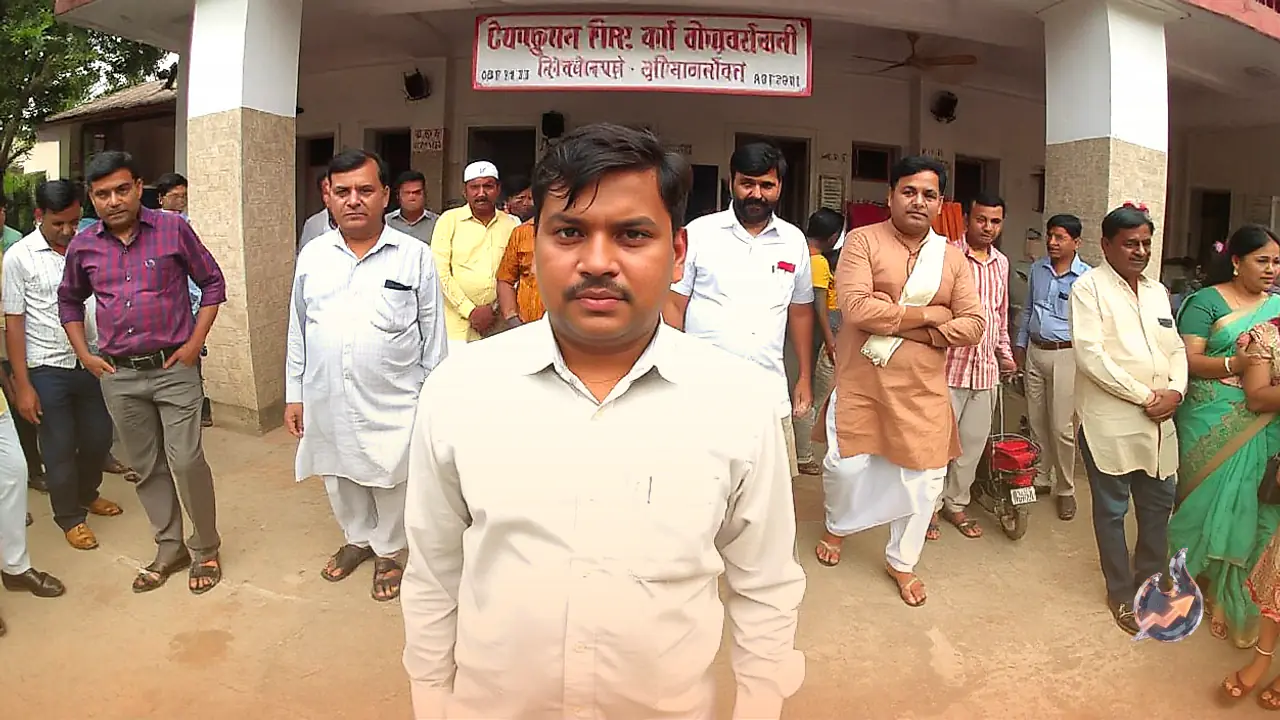
Deoghar agriculture expert Ambika Kushwaha explains that when continuous fog begins settling over fields, farmers must immediately prioritize monitoring their crops. The adverse effects of fog and frost can damage plant foliage and completely stunt overall crop growth. In such scenarios, agricultural professionals generally recommend commercially available treatments found in the market. Chemicals such as mancozeb and manganese carbonate are frequently utilized to protect potato crops from frost and fog damage.
However, prior to applying any chemical treatment, farmers must consult an agriculture expert regarding the correct dosage, application method, and actual necessity. Excessive application without proper knowledge can prove detrimental to the crop. At the same time, many cultivators prefer avoiding chemical-laden treatments entirely to prevent the produce from absorbing harmful residues.
Traditional methods for farmers avoiding chemical treatments
For growers who want to protect their potato fields from frost and fog without resorting to toxic chemical sprays, alternative traditional solutions work effectively. Agriculture expert Ambika Kushwaha notes that several farmers in Deoghar focus on maintaining adequate soil moisture throughout the foggy season. When heavy fog intensifies, keeping the right level of moisture in the field soil becomes essential for plant resilience.
Additionally, farmers practice the traditional method of lighting slow fires around the perimeter of the fields during early mornings and evenings using dry weeds and leftover crop residue to generate smoke. Rural cultivators have relied on these indigenous techniques for generations to safeguard delicate crops from freezing temperatures without incurring heavy expenses.
Daily crop monitoring essential during cold weather
Agricultural advisors strongly recommend that farmers inspect their fields on a daily basis during the winter months. If any changes in leaf structure, wilting, or early signs of disease are observed, cultivators should get in touch with an agriculture expert right away. Through minor vigilance, timely care, and accurate information, farmers can successfully protect their potato crops from winter weather damage to a large extent.