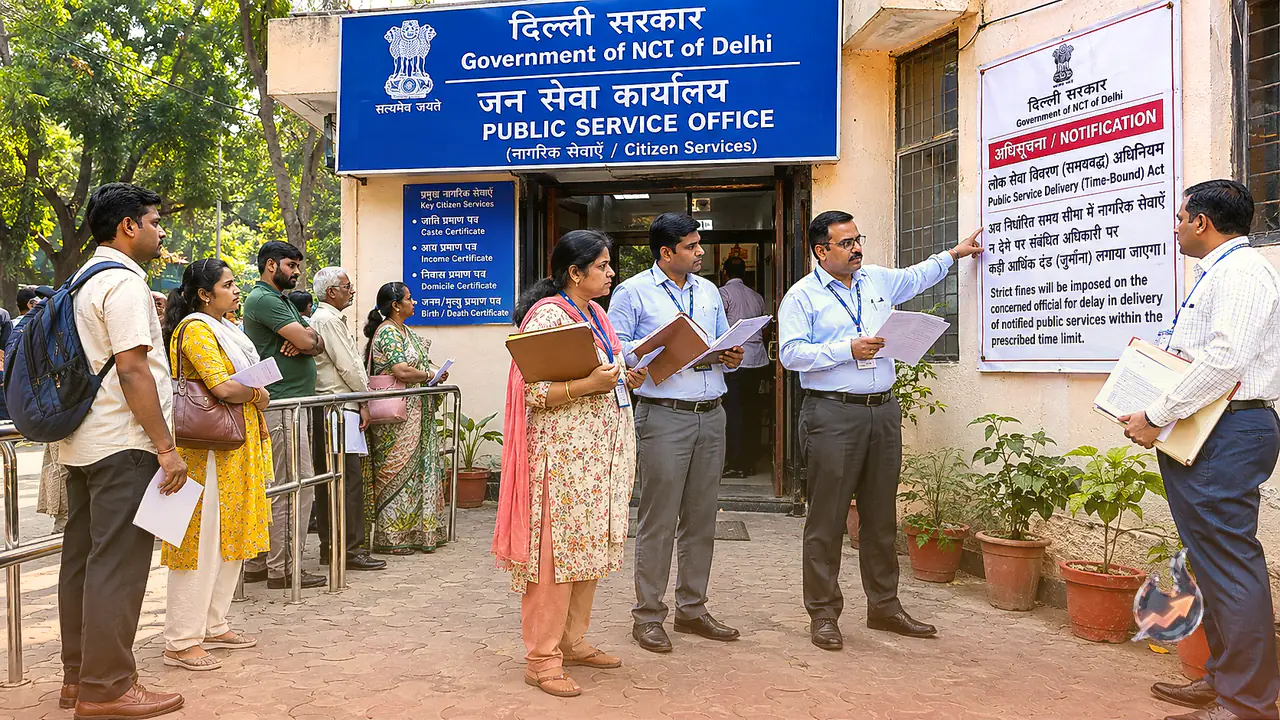

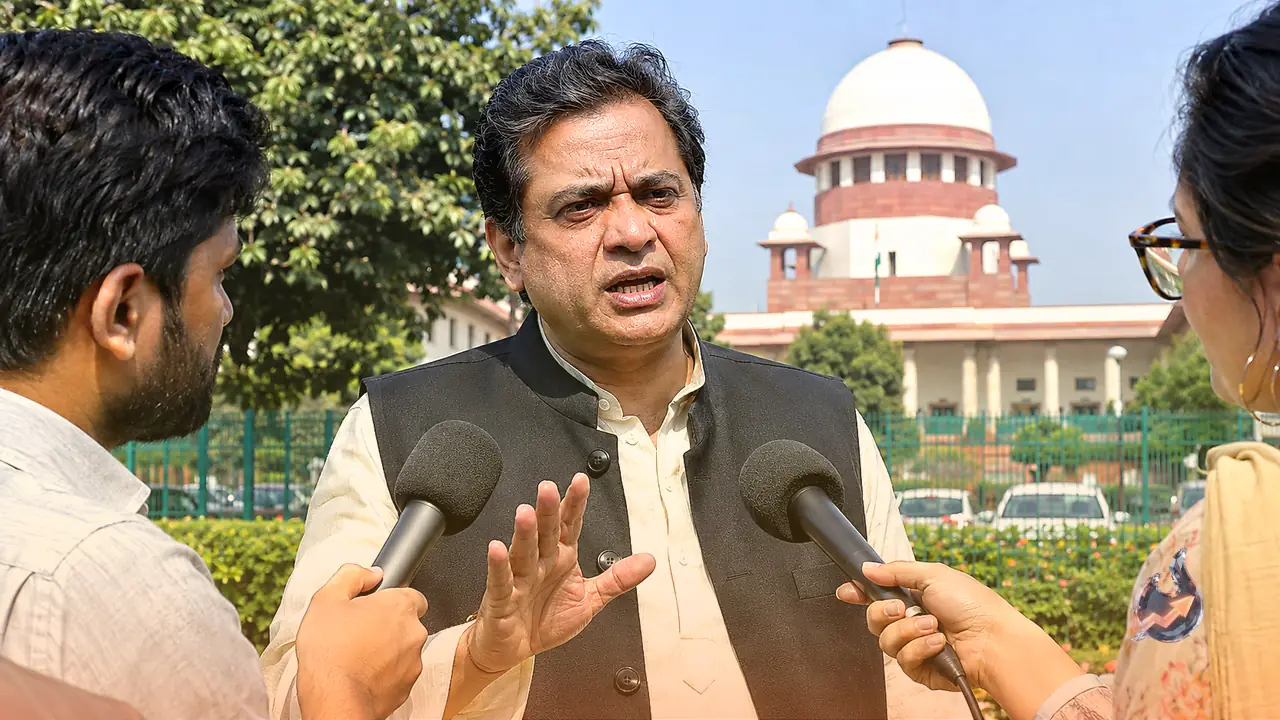















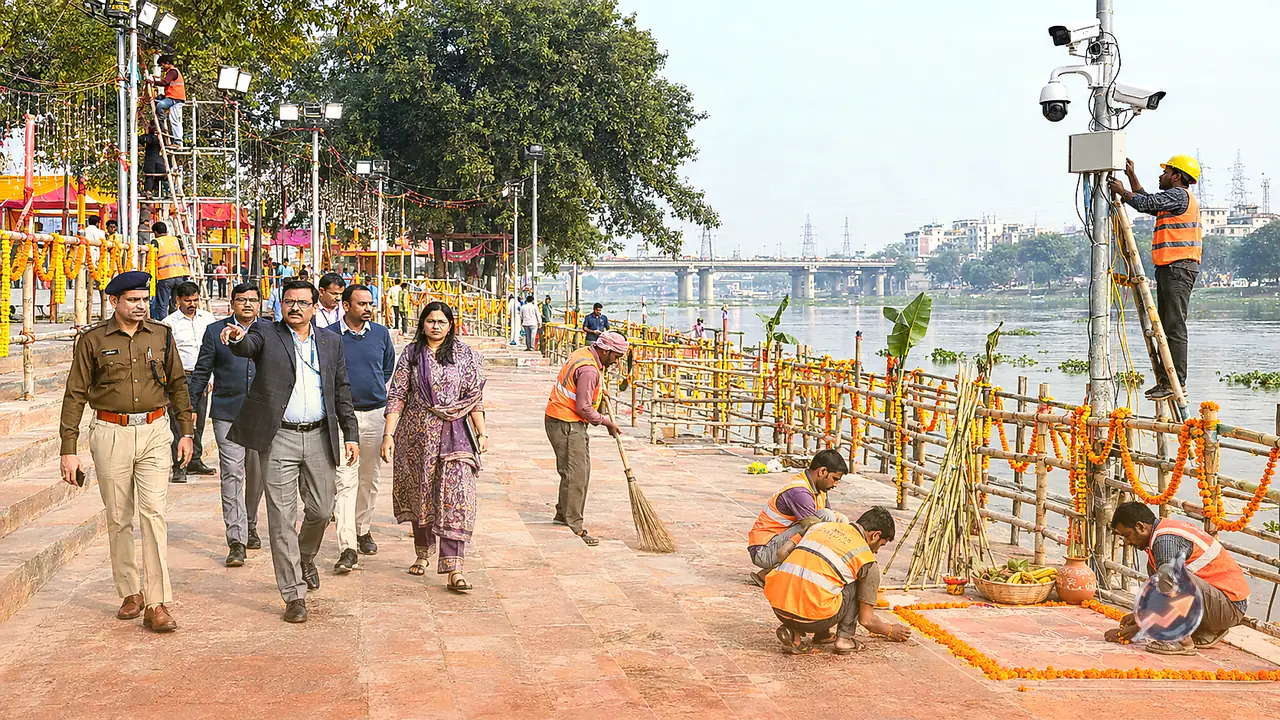

Administrative machinery in the national capital is working on a massive scale to put together foolproof infrastructure for the upcoming Chhath festival. With an eye on delivering top-tier amenities to devotees, Chief Minister Rekha Gupta chaired a high-level review meeting at the Janaseva Sadan alongside festival committees and departmental heads. The administration has issued strict directives to ensure that all ground-level arrangements are executed well ahead of schedule, leaving no room for administrative lapses. The overarching objective of the government is to provide a clean, secure, and accessible environment where families can observe their rituals with complete peace of mind.
New 11-Kilometer Ghat Developed Along Munak Canal
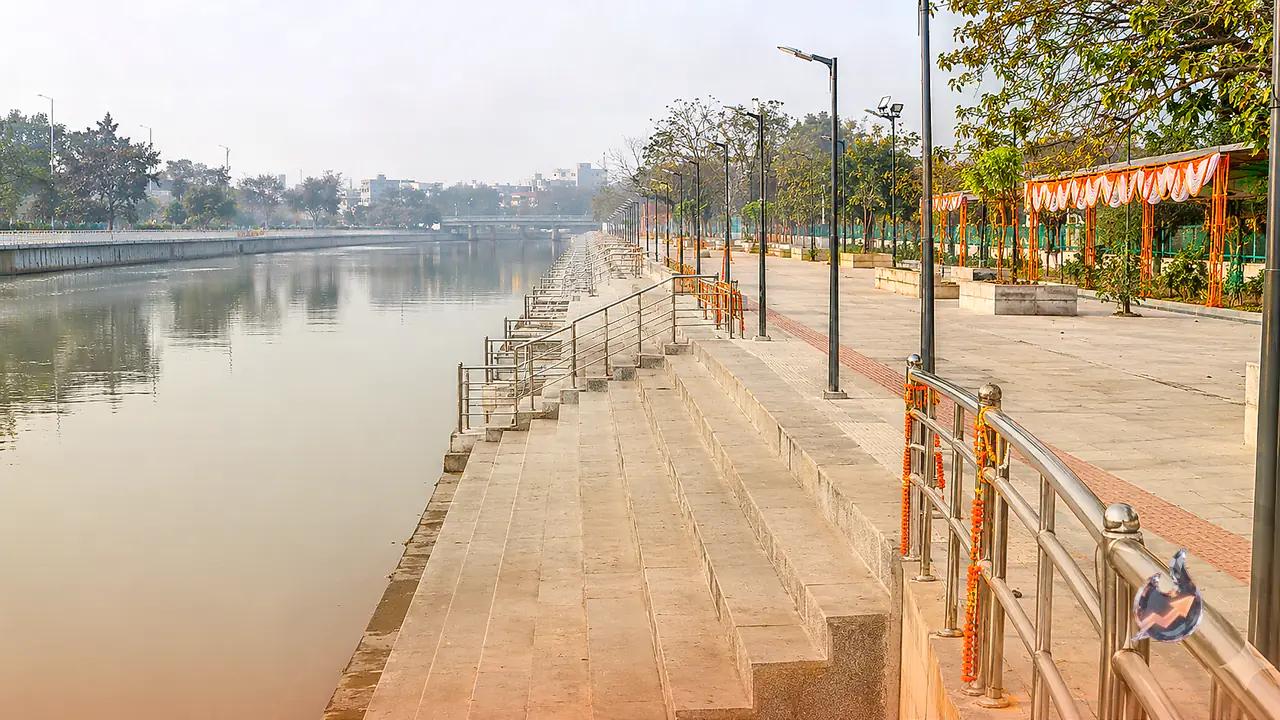
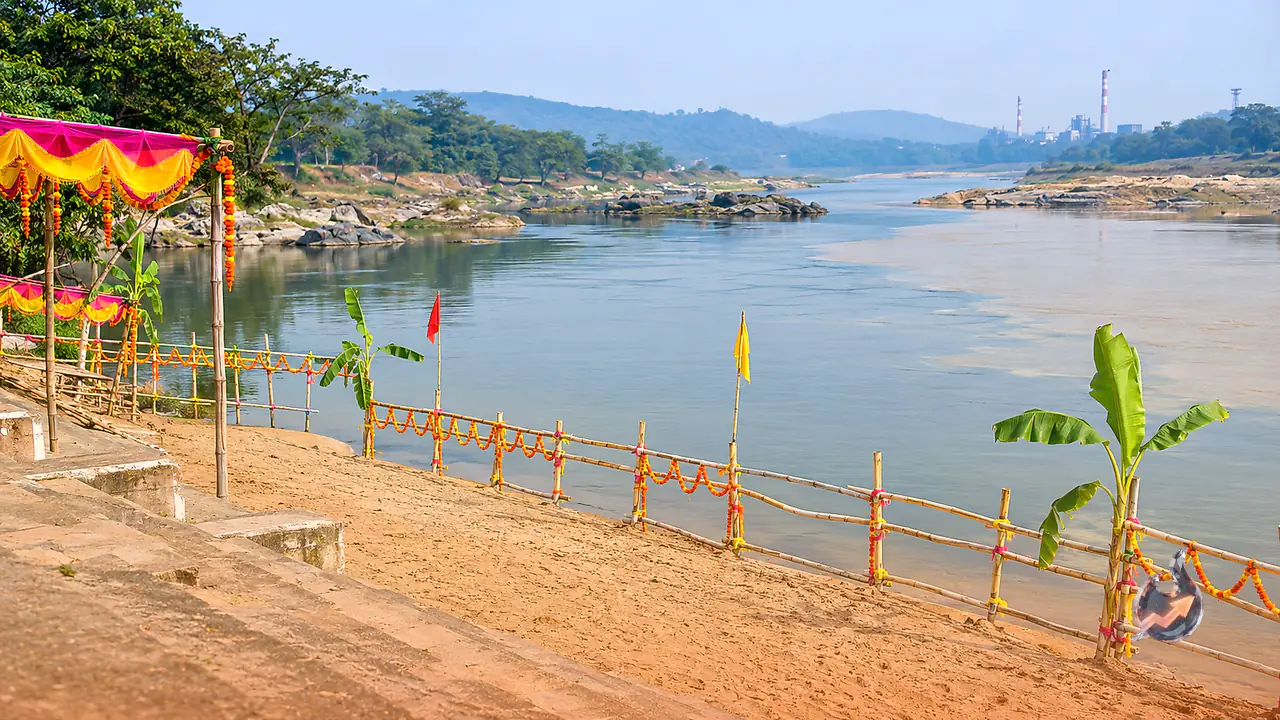
A major highlight of this year's festival infrastructure is the development of an extensive 11-kilometer-long waterfront along the Munak Canal. Spanning the area from Outer Ring Road to Inderlok, both sides of the canal are being equipped with solid staircases and paved approach roads to facilitate smooth movement for worshippers. According to official schedules, BJP National President Nitin नवीन will inaugurate this grand facility near the Singalpur village during a special ceremony on November 12. The strategic placement of this massive development is intended to serve residents across multiple legislative constituencies, making it significantly easier for local communities to gather and offer prayers.
Expanding Infrastructure Across 1,400 Locations
The scale of the festival is expanding significantly this year, with preparations underway at over 1,400 designated ghats across Delhi, marking a notable increase from the 1,326 sites utilized last year. District administrations and allied departments have been instructed to execute basic groundwork early so that final logistics like water filling, marquee erection, and sanitation are wrapped up smoothly. The Chief Minister emphasized that primary infrastructure must be fully operational at least two days prior to the commencement of the festival, while local officials are expected to conduct routine inspections to immediately rectify any gaps.
Dedicated Amenities and Changing Facilities for Women
With the four-day festival scheduled from November 13 to November 16, authorities are factoring in late-autumn weather conditions by ordering large and medium-sized marquees at prominent locations. Prioritizing the privacy and comfort of female worshippers, instructions have been issued to set up adequate numbers of changing rooms and restrooms across all major sites. Officials have been told to maintain high standards of cleanliness and operational readiness in these utility areas to uphold the sanctity of the traditions.
Robust Security Through CCTV and Illuminated Pathways
To guarantee a secure environment for the massive gatherings expected on November 15 and 16, key sites will be brought under comprehensive CCTV surveillance. Furthermore, local bodies have been ordered to inspect all approach routes to the waterfronts, ensuring that every pathway is properly illuminated with streetlights to eliminate dark spots. Decorative welcome gates visible from main arterial roads are also being installed. Highlighting the cultural significance of the occasion, Chief Minister Rekha Gupta noted that the celebration stands as a symbol of social and cultural unity in Delhi, reinforcing the administration's commitment to a seamless experience for every participant.