
















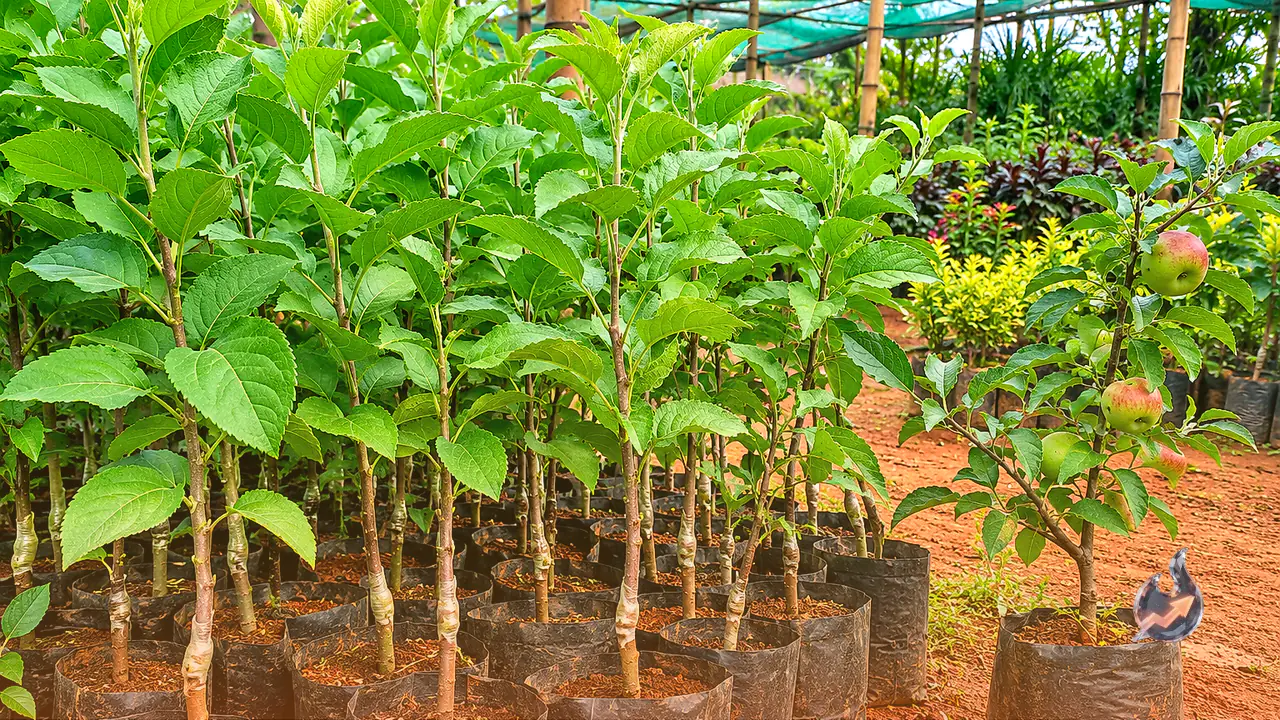

Apples have traditionally been considered a fruit exclusive to cold and mountainous regions such as Jammu and Kashmir, Himachal Pradesh, Uttarakhand, and Arunachal Pradesh. Because of this prevailing climatic requirement, people residing in warm-weather states like Jharkhand could previously only imagine growing apple trees in their home gardens. However, evolving horticultural practices and the introduction of new variants are steadily dismantling this notion. People living in Koderma can now plant apple trees within their residential courtyards and enjoy harvesting fresh fruit from their own trees within a span of three years.
Thriving Under High Temperatures
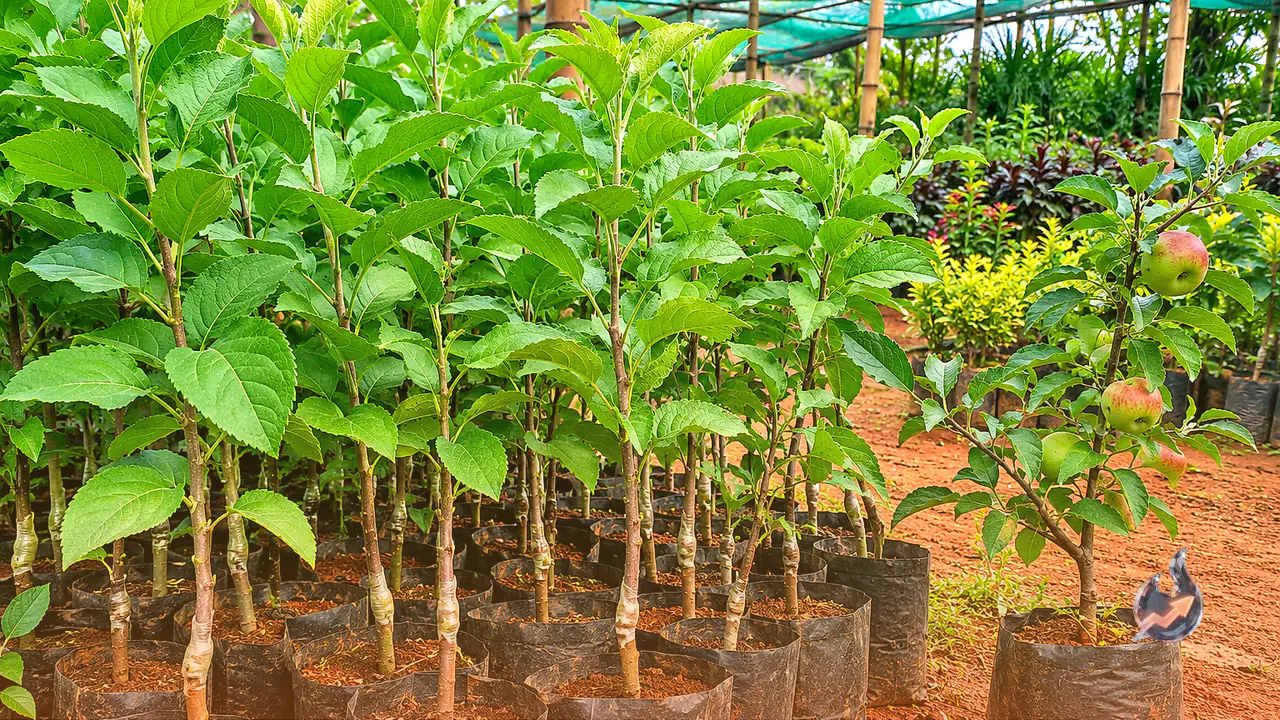
Pinku Kumar, the operator of Satyam Nursery located near St. Joseph School along the Ranchi-Patna Road in Jhumri Telaiya, stated that grafted saplings of the Herman-99 apple variety are now available at his facility. The defining characteristic of this specific variety is its capacity to thrive effortlessly in regions experiencing extreme temperatures ranging between 40 to 50 degrees Celsius. Notably, cultivators do not require a chilly climate resembling Kashmir or other hill stations to grow this plant. Local residents can successfully nurture these saplings and harvest fruits within three years right in the soil of Koderma.
Highlighting the visual and dietary appeal, Pinku Kumar explained that apples belonging to the Herman-99 variety possess a very striking appearance. The fruits feature a yellow exterior adorned with distinct red stripes running across them. The flesh inside is tender, juicy, and sweet in taste. Since apples are widely recognized as a highly nutritious fruit, planting this variety enables families to harvest fresh produce directly at home. He pointed out that because these are grafted saplings, they bear fruit much faster than trees grown from ordinary seeds. Fruit production begins approximately three years after planting, making it an appealing option for domestic gardening enthusiasts.
Nutrient Requirements and Simple Maintenance
Explaining the cultivation method, he noted that the plant adapts easily to the local soil composition. Nonetheless, mixing aged cow dung manure or vermicompost into the soil prior to planting significantly enhances the growth and vigor of the sapling. This enrichment provides essential nutrients and strengthens root development. Proper soil preparation during the initial plantation stage ensures the plant receives adequate nourishment right from the start. Furthermore, maintaining a Herman-99 apple tree does not demand specialized techniques or rigorous labor. Gardeners can manage this plant with the exact same routine care typically given to guava trees in residential spaces. Regular watering, timely provision of fertilizers, and routine oversight are entirely sufficient for its cultivation.
Local interest has steadily grown as numerous residents have already purchased Herman-99 apple saplings from Satyam Nursery to plant in their home gardens. Trees planted roughly three years ago have already begun yielding fruit, thereby boosting local confidence and enthusiasm for this innovative variety. Other households can similarly adopt this practice to cultivate apples locally.