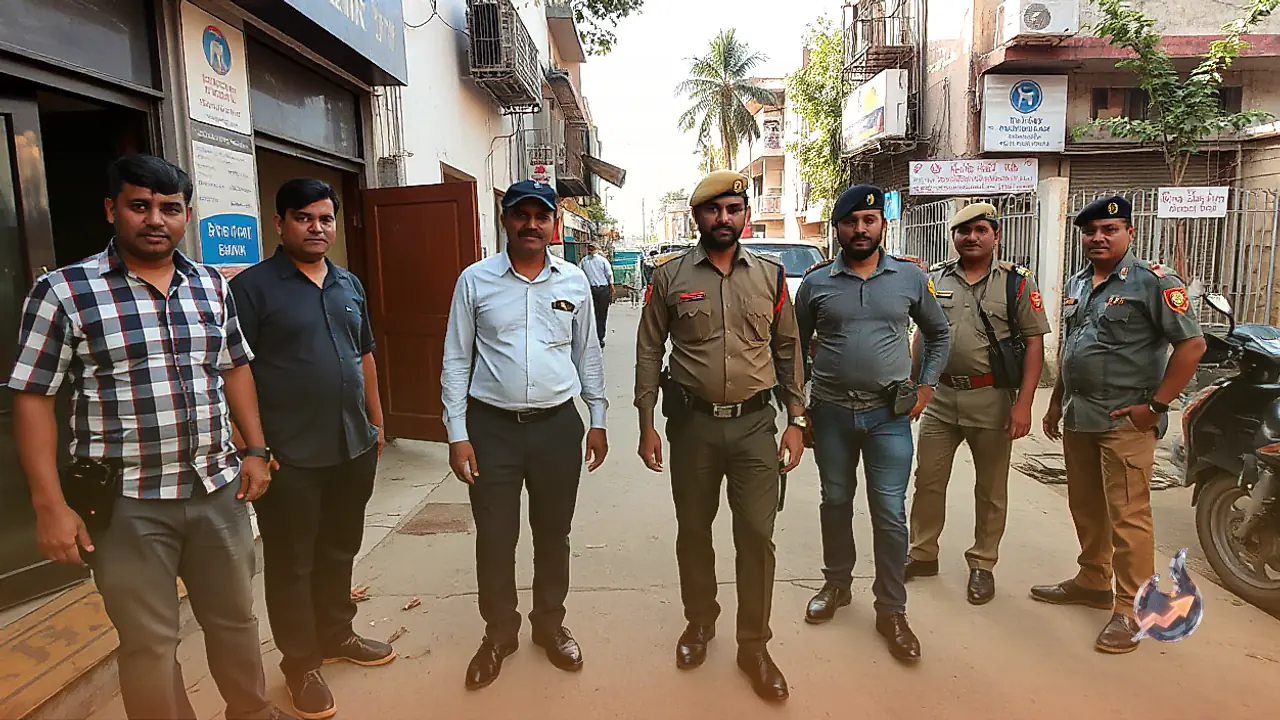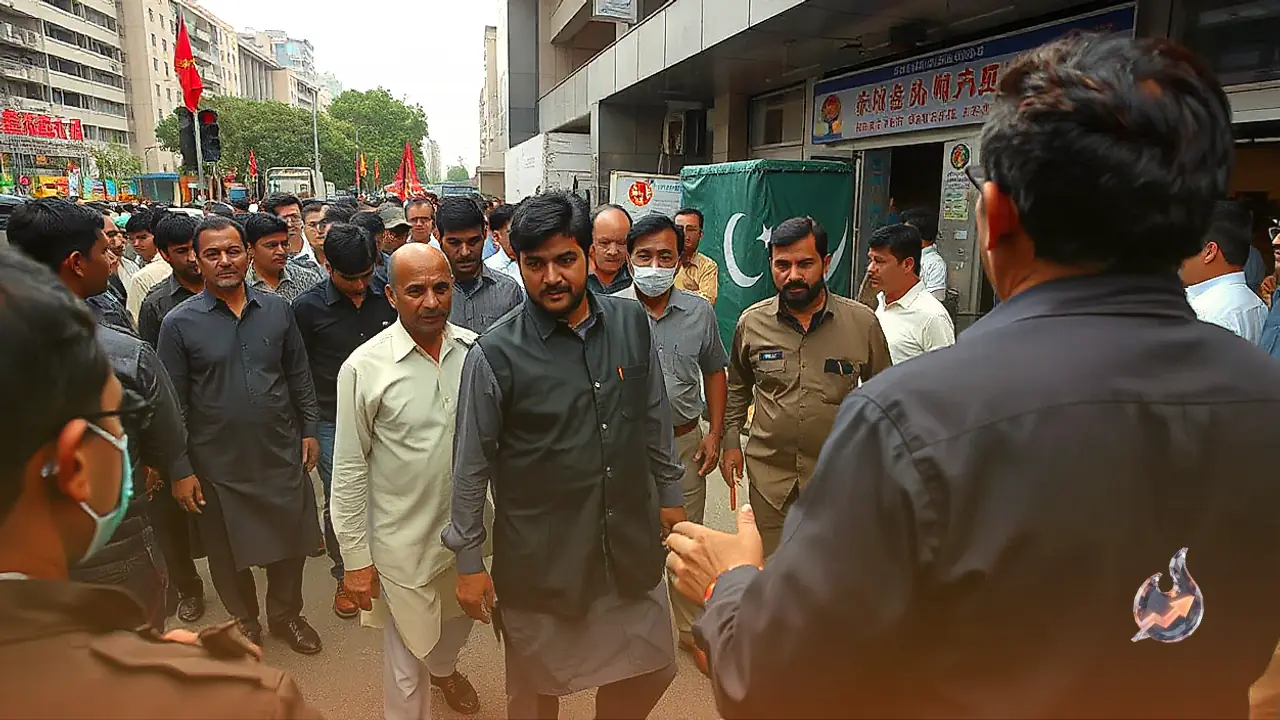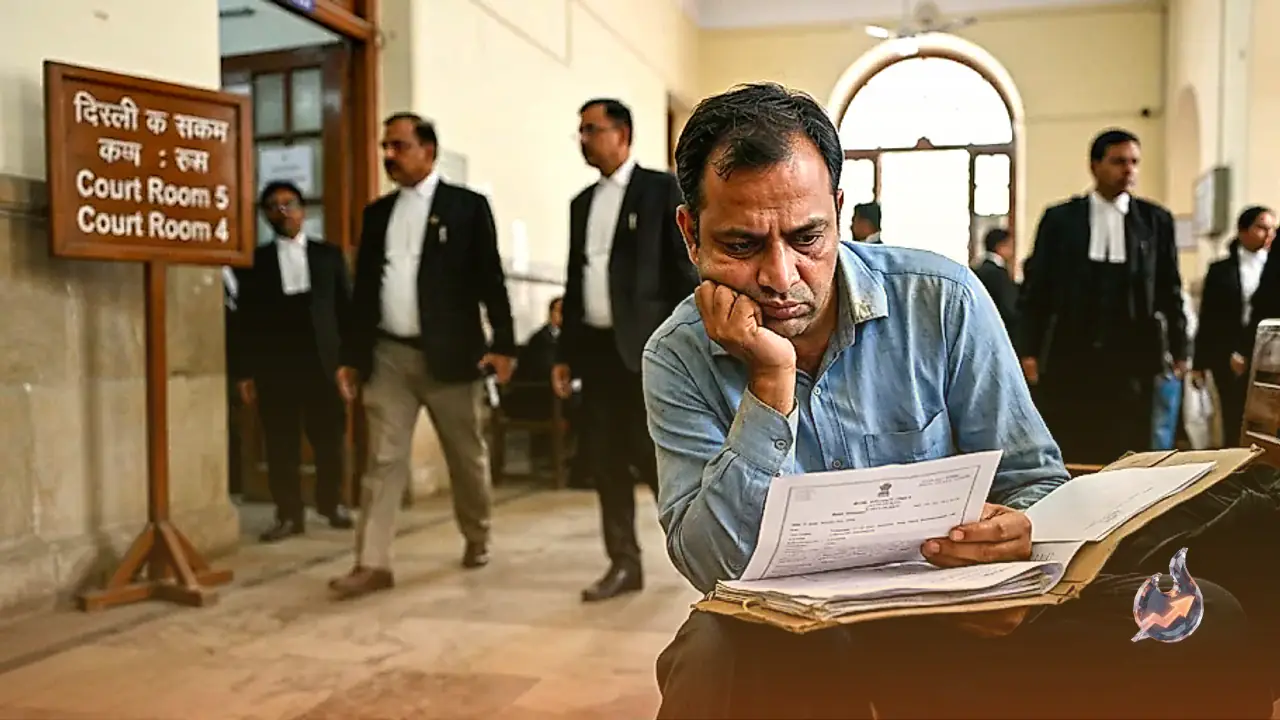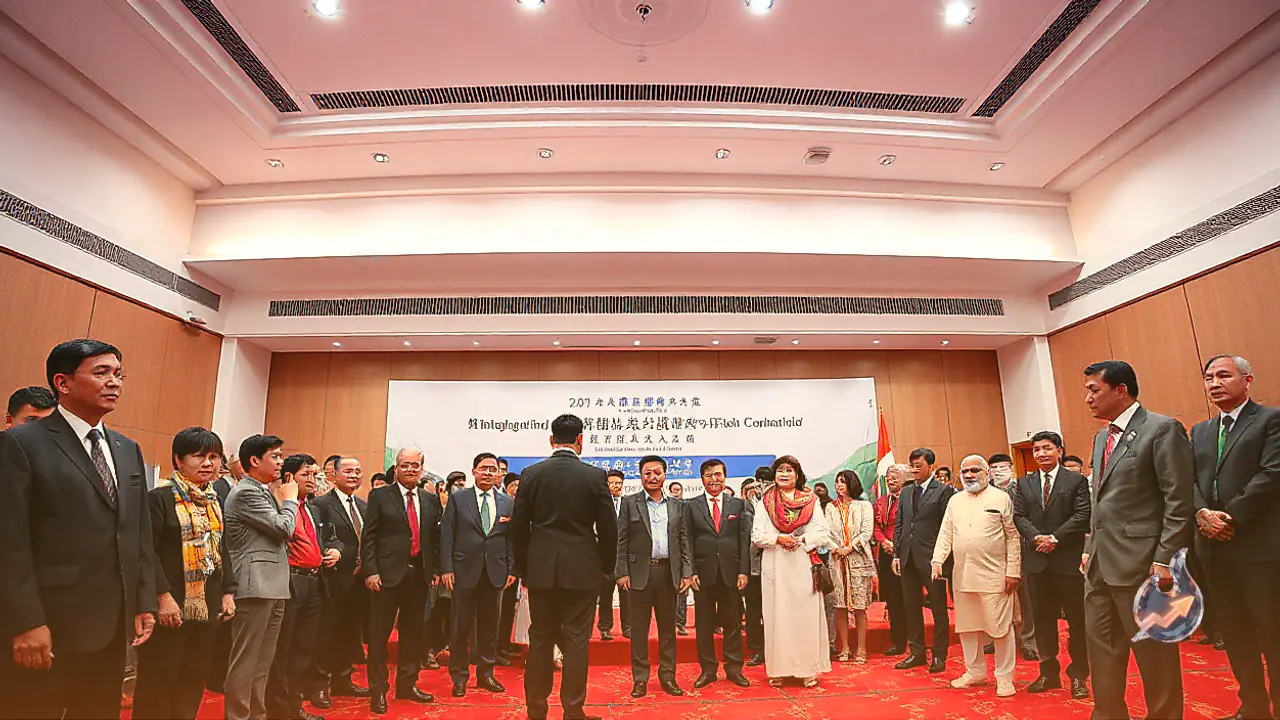

India is overhauling its national counter-terrorism apparatus to address modern technical challenges ranging from unmanned aerial vehicles to decentralized digital currencies. During a comprehensive two-day national conference organized by the National Investigation Agency (NIA), senior security chiefs and Union Home Minister Amit Shah reviewed the country's defense capabilities against evolving cross-border terror networks. The discussions focused heavily on neutralizing the use of artificial intelligence, illegal drone operations along border zones, and illicit cryptocurrency channels that conceal financial trails.
Addressing Evolving High-Tech Terror Tactics
Modern terrorist organizations are increasingly leveraging advanced technologies to launch attacks, radicalize vulnerable individuals, and fund illicit operations. Security officials emphasized that border-crossing drones have become a recurring vector for smuggling weapons, explosives, and narcotics into Indian territory. Simultaneously, bad actors are abusing encrypted communication platforms, artificial intelligence, and decentralised crypto assets to recruit local youths and obscure money trails from financial intelligence units.
To combat these multifaceted threats, central authorities are finalizing a comprehensive national anti-terror framework designated as the 'Prahaar' policy. This unified doctrine aims to standardize operational protocols across state and central agencies. A primary focus of the conference was fortifying specialized Anti-Terror Squads (ATS) in every Indian state, ensuring seamless intelligence sharing and synchronized tactical responses against emerging security risks.
Key Foreign Investigations: VanDyke, Machhar, and Bhatti Syndicates
During the summit, NIA Director General Rakesh Agrawal briefed attendees on several high-stakes international investigations currently handled by the central agency. Among these is the complex case involving Matthew VanDyke, an American national who entered India on a valid visa before illegally crossing into Myanmar and returning through unauthorized routes. Investigators are currently determining what training activities VanDyke conducted inside Myanmar, whether Indian outfits received instruction from him, and how his movement across international borders was facilitated. Agrawal chose not to comment directly on specific allegations raised by VanDyke, confirming that investigative efforts remain actively focused on his operational footings abroad.
The agency is also actively pursuing the case of Smit Machhar under its mandated authority to investigate foreign incidents involving Indian citizens or interests. As part of this probe, the agency has formally dispatched a Request Letter to authorities in the United Arab Emirates (UAE), while team members have sought formal permissions to conduct direct interrogations of key figures in the region.
Additionally, law enforcement agencies are mounting a coordinated offensive against the Shehzad Bhatti crime and terror network. Security officials identified this network as a persistent challenge because it relies on subcontracting violent tasks to local operatives within various states. To dismantle this decentralized operation, police forces across multiple jurisdictions have registered a total of 102 cases against the network. The central investigative agency directly leads 8 of these prosecutions, while state police departments handle the remaining 94 cases.
Record High Conviction Rate and Operational Expansion
Presenting the agency's annual performance report, the Director General highlighted significant operational milestones achieved over the past year. The agency registered 82 new cases this year, slightly exceeding the 80 cases recorded in the previous annual cycle. Notably, 12 of the newly registered cases stem from major outbreak incidents in West Bengal, with the remaining balance directly related to organized counter-terror operations.
- Court Verdicts: Special courts delivered final judgments in 29 cases over the course of the year.
- Conviction Success: Prosecutions successfully secured convictions in 27 out of those 29 cases, translating to a remarkable 93% conviction rate.
- Sentencing Breakdown: Judicial rulings resulted in 123 individuals being convicted, with 10 offenders receiving the death penalty and 14 sentenced to life imprisonment.
- Judicial Infrastructure: Specialized NIA court networks currently operate across 25 locations nationwide, supported by dedicated state units functioning in 21 states. Plans are underway to operationalize 14 additional special courts in the near future.
Launch of 'Pushti' Portal to Curb Cyber Fraud and Digital Arrests
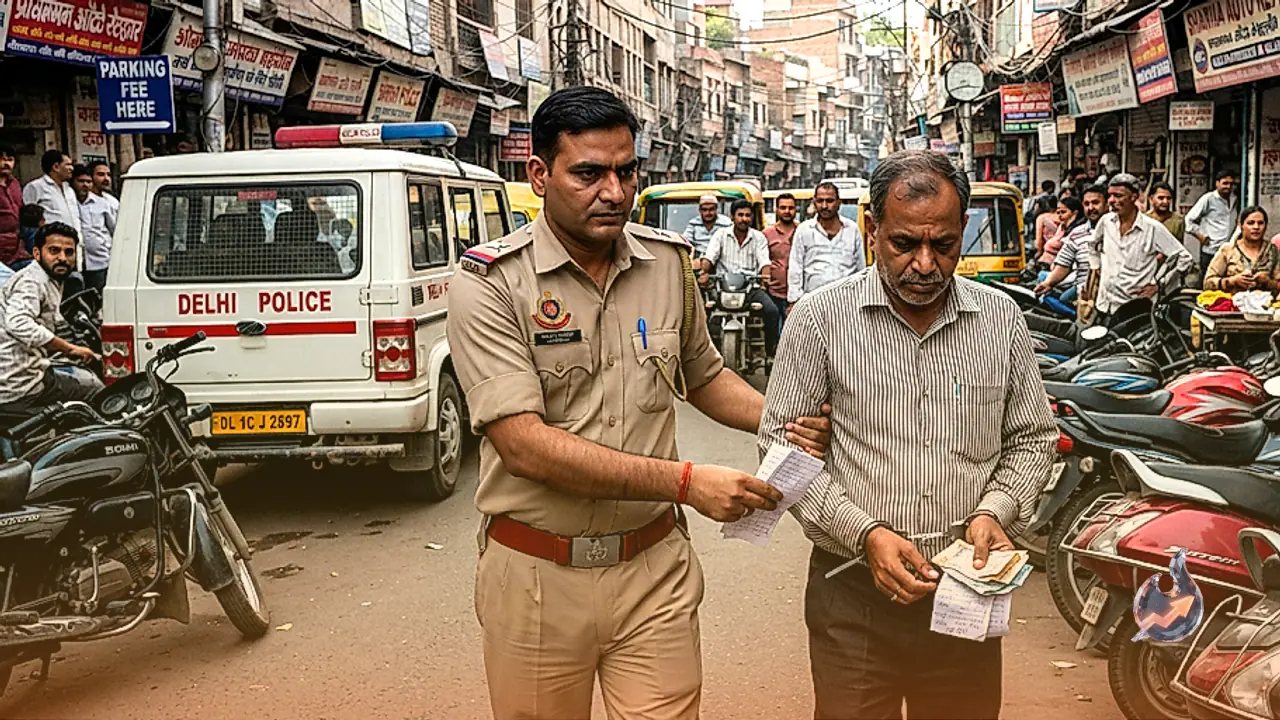
To protect ordinary citizens from sophisticated digital scams, Union Home Minister Amit Shah officially launched a dedicated verification platform named the 'Pushti' portal. Cybercriminals and fraud syndicates have increasingly targeted individuals by issuing forged summons, fake notices, and illegal demands while impersonating central investigative officers to enforce illegal 'digital arrests'.
The newly inaugurated portal provides an immediate verification mechanism for any member of the public receiving an official-looking document. By entering the unique identification code printed on the notice alongside the recipient's name, individuals can instantly verify whether the document is a genuine legal communication from law enforcement or a fraudulent attempt at extortion.
Extradition Progress and Tackling Left-Wing Extremism
International cooperation in apprehending fugitive criminals hiding abroad has seen measurable acceleration. Agency statistics show that 303 fugitive offenders have been extradited or deported back to India from 36 different sovereign nations since 1999. Officials expressed confidence that ongoing extradition requests will yield further high-profile repatriations before the next annual counter-terrorism conference takes place.
Addressing the broader national security spectrum, Home Minister Shah underscored that Left-Wing Extremism (LWE) remains one of the country's most pressing internal security concerns. Delegations underscored that combining modern technological defense capabilities, robust legal frameworks like the proposed 'Prahaar' policy, and tight operational alignment between central and state law enforcement forces remains essential to eradicating both armed extremism and foreign-backed terror infrastructure.