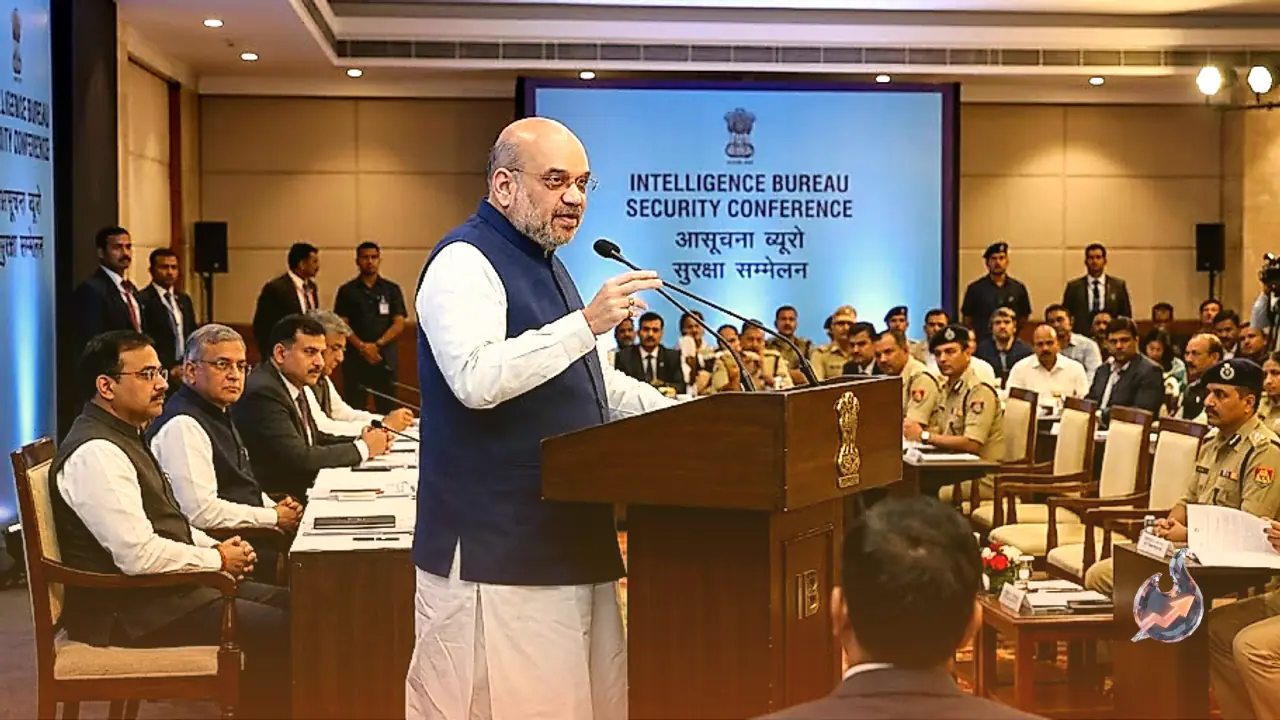






















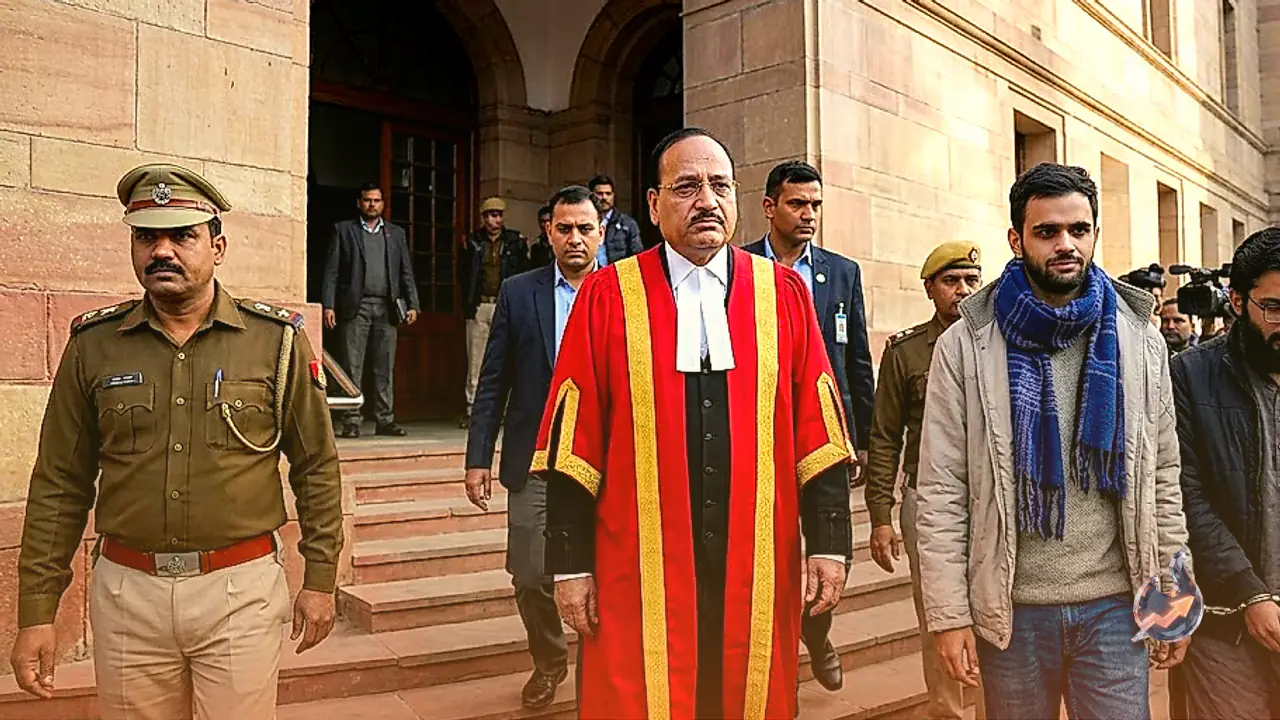

Umar Khalid and Sharjeel Imam, who have been incarcerated for an extended period in connection with the Delhi riots case, have once again faced a significant legal setback. The court has formally dismissed their latest bail application, ensuring that both individuals remain in Tihar Jail for the time being. Their cases are particularly complex due to the charges under the Unlawful Activities Prevention Act (UAPA), which has made securing bail an arduous and often unsuccessful process for the defense.
The Burden of Judicial Delays
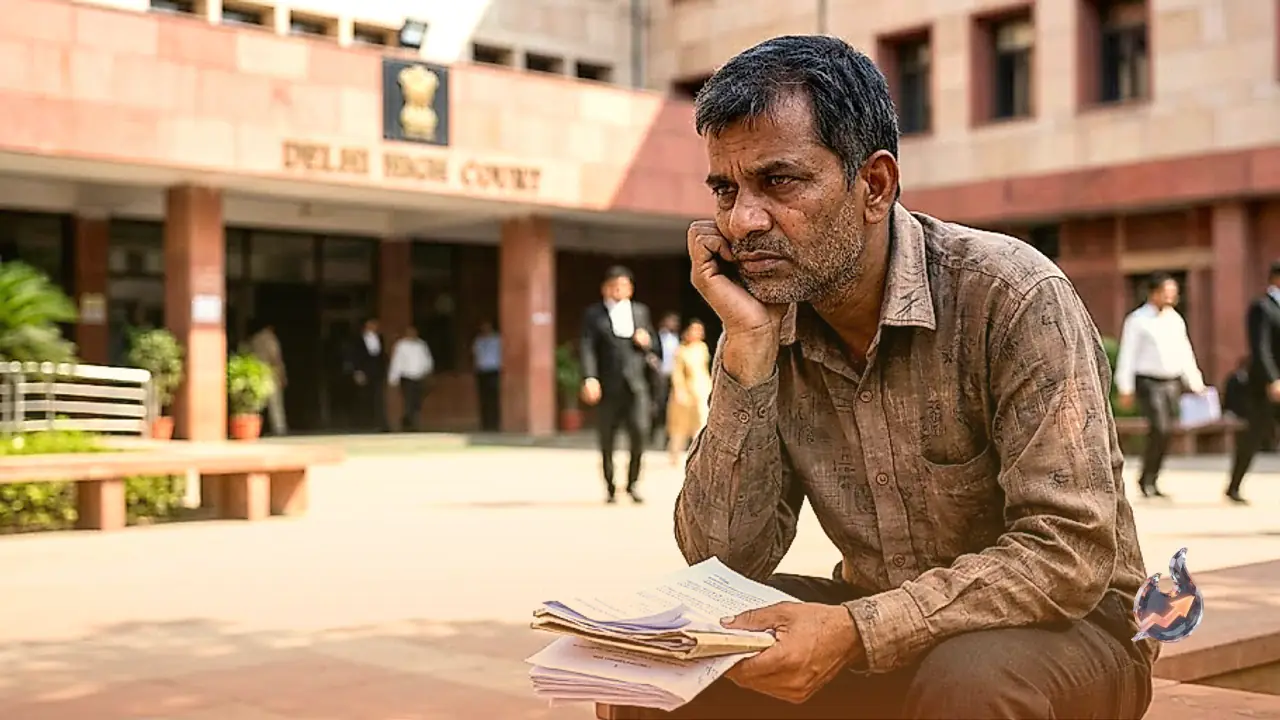
The sluggish pace of the Indian judicial system remains a critical concern, as evidenced by the millions of pending cases across trial courts, high courts, and the Supreme Court. Because cases are rarely resolved within a fixed, time-bound framework, many petitioners find themselves trapped in an endless cycle of court hearings that span years. Chief Justice Surya Kant recently addressed these systemic issues, highlighting how the failure to expedite trials forces individuals to endure lengthy periods of pre-trial detention. He emphasized that the lack of efficiency in legal proceedings undermines the very foundation of timely justice.
Challenges Posed by UAPA
The invocation of UAPA in the cases against Umar Khalid and Sharjeel Imam serves as a major hurdle to their release. Under this legislation, the threshold for granting bail is remarkably high, often requiring the accused to overcome rigid statutory barriers. CJI Surya Kant has shared his perspective on how the combination of such stringent anti-terror laws and recurring procedural delays creates a difficult situation for those seeking relief. Having spent several years behind bars, the continued detention of both men serves as a stark example of the intersection between harsh legal frameworks and a clogged judicial pipeline.