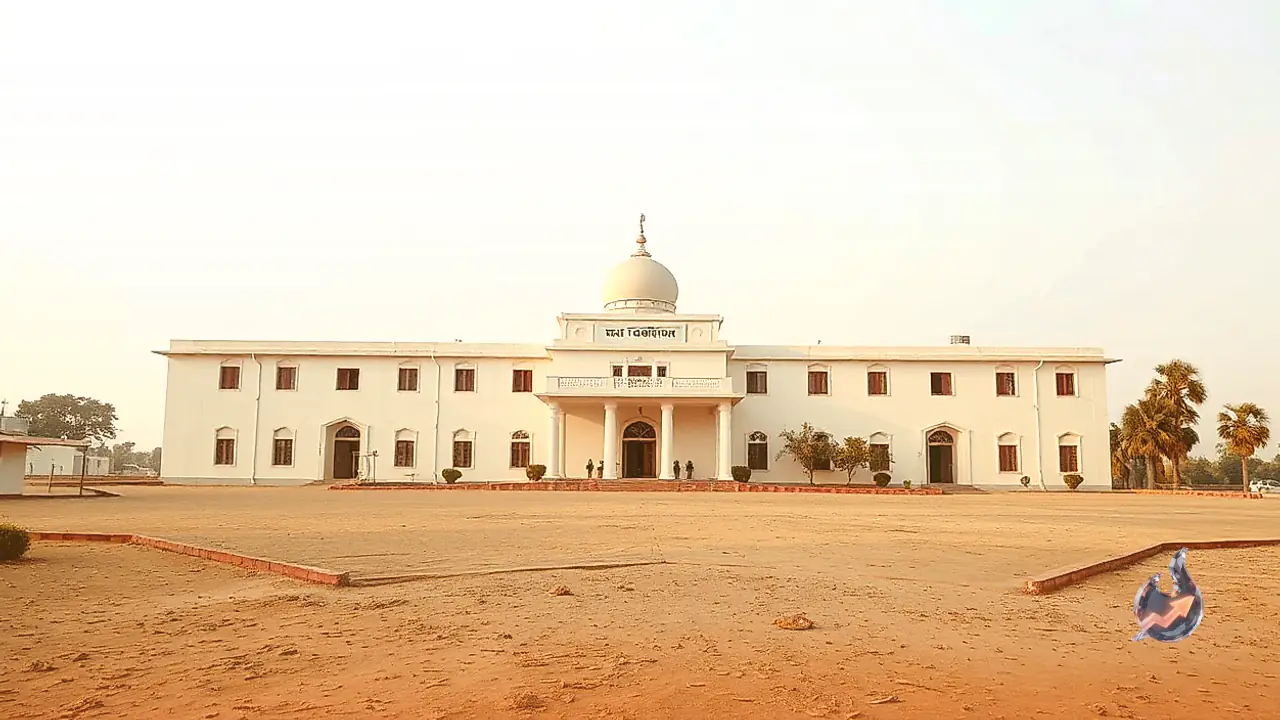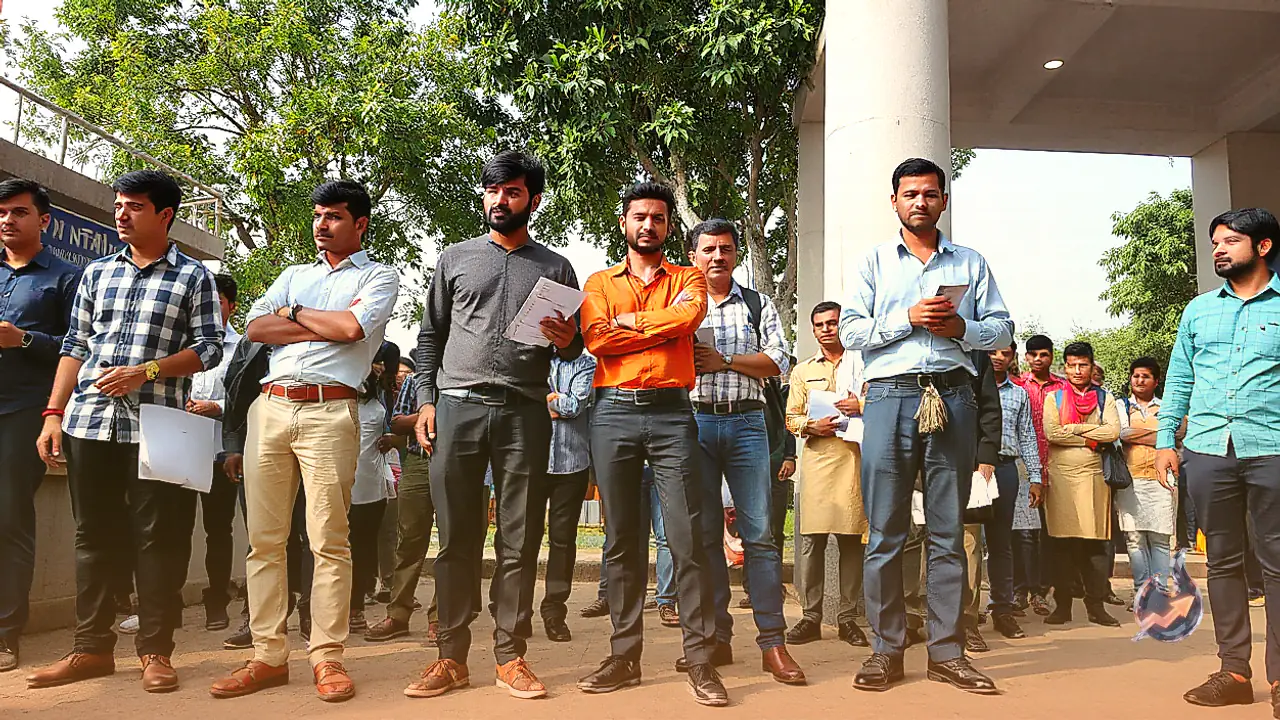























A major educational milestone has been achieved in western Uttar Pradesh with the launch of a dedicated offline training center for visually impaired youth. Located at Tyagi Hostel on Western Kutchery Road in Meerut, this facility is designed to help blind individuals build a secure future by learning modern technology. The center represents the first offline facility of its kind in Uttar Pradesh, offering all its courses and resources completely free of cost to help students integrate into mainstream society.
Expanding Educational Horizons From Online Classes To A Physical Center
Previously, NAB Meerut, under the guidance of its founder Poonam Tyagi, had been actively supporting the visually impaired community through virtual classrooms. The organization conducted training sessions primarily through online channels for several years. However, recognizing the growing demands of the modern world and the necessity of hands-on, practical guidance, the organization decided to establish a physical, offline training center. Visually impairment teacher Sameer Vishnoi shared details about this transition, emphasizing that the physical center will cater to both completely blind youth and those who unfortunately lost their eyesight during their youth. The objective is to harness the power of modern education, particularly artificial intelligence (AI), to shape their career paths. To illustrate the hidden potential of such youth, Vishnoi pointed to the example of Sunil Lodhi, whose song in the movie Hanuman Ansh has recently gained widespread appreciation.
Harnessing Artificial Intelligence And Assistive Technology
Students at the Meerut center are being equipped with high-tech smart goggles that function as an artificial pair of eyes. These specialized goggles connect seamlessly to mobile phones using Bluetooth AI technology and a dedicated mobile application. The system captures the surroundings through a camera interface and translates visual information into audio descriptions, keeping the users fully informed about their environment. Apart from assistive technology, the comprehensive curriculum at the center includes extensive computer training, traditional Braille literacy, mobility and orientation lessons, and adaptive cooking techniques. By mastering these daily living and professional skills, the students can lead self-reliant lives and navigate their careers with confidence.