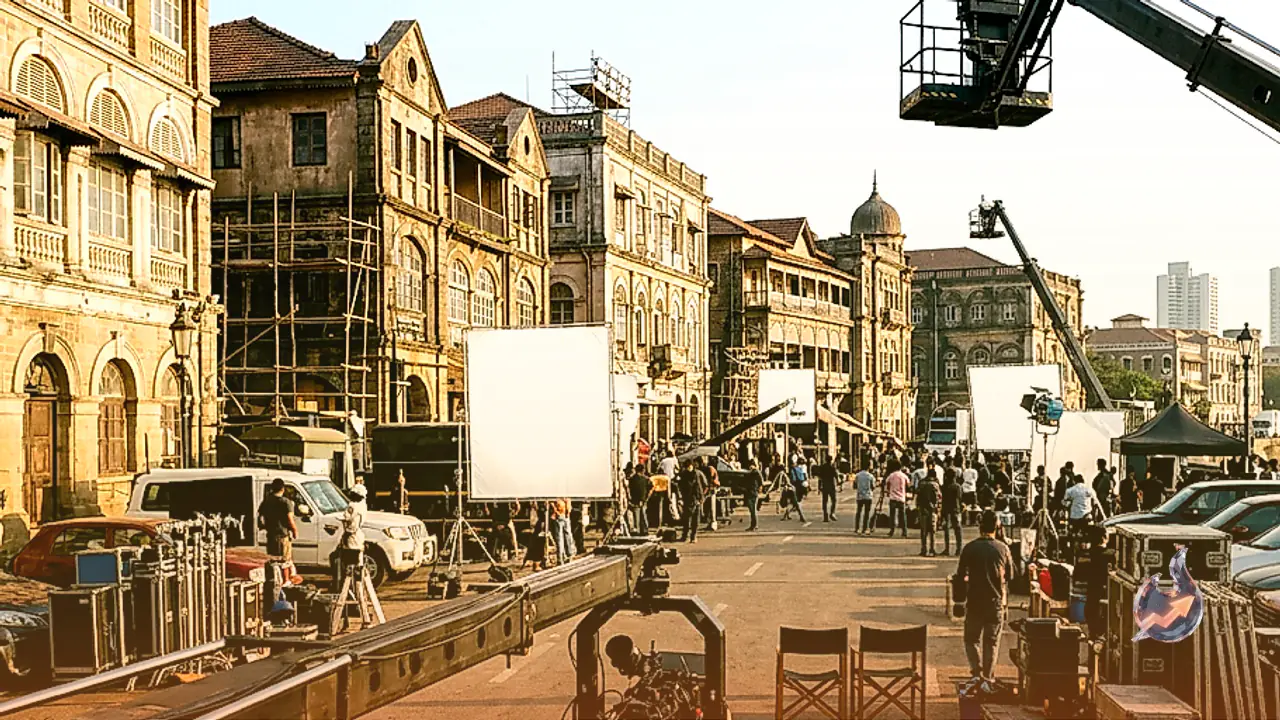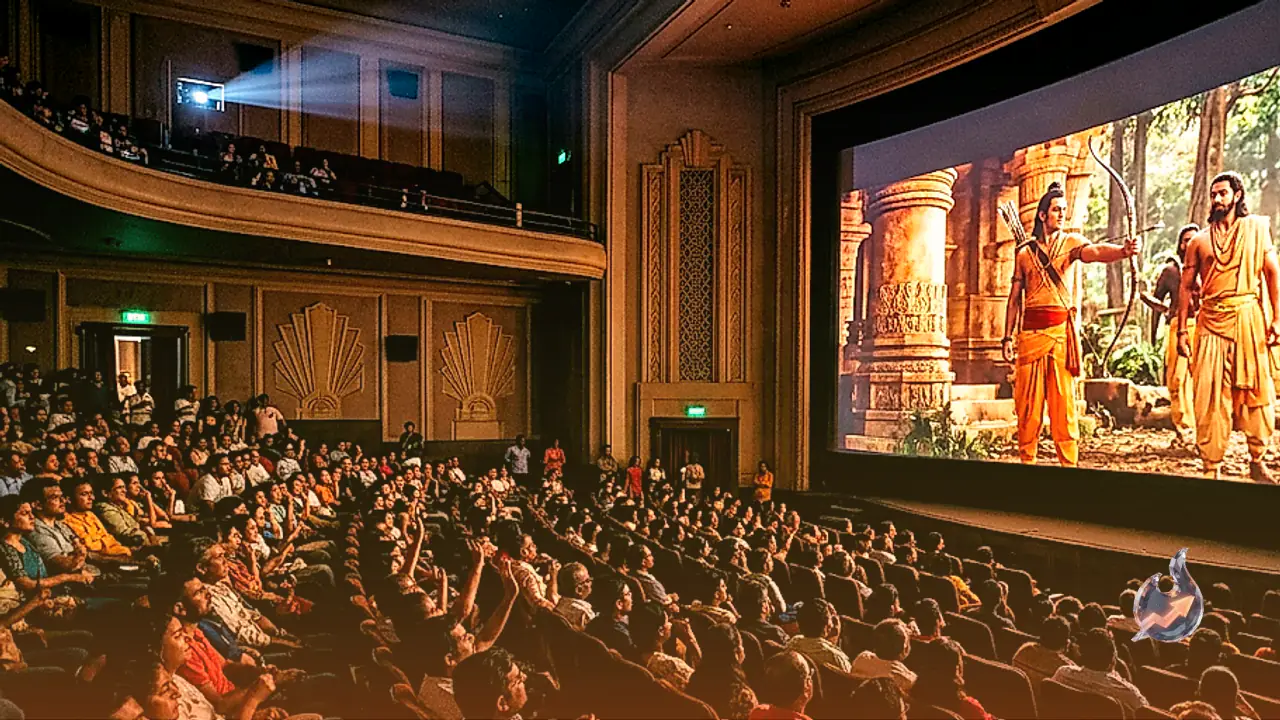

















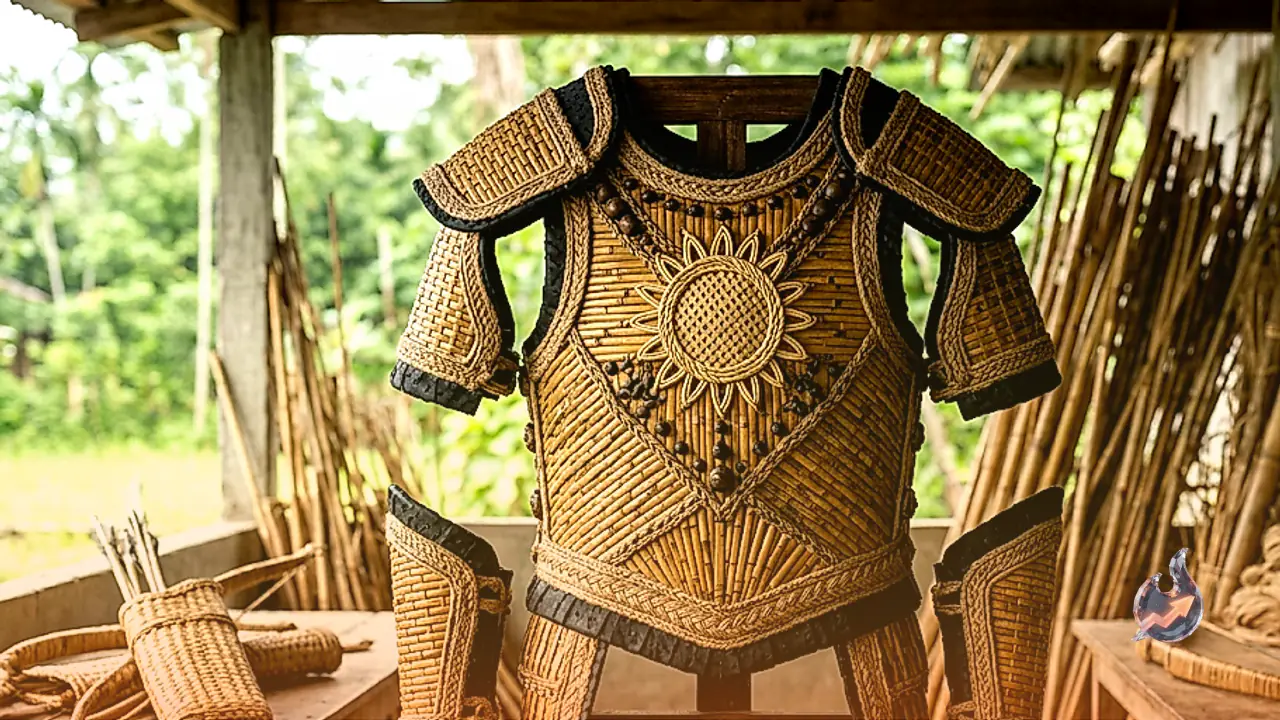

When a grand cinematic production lights up the big screen, audiences naturally gravitate toward the prominent stars, lavish sets, and striking costumes. Yet behind this visible splendor lies the tireless effort of unseen craftsmen whose names rarely reach the public eye. A fascinating story of this exact nature emerges from Nitesh Tiwari's ambitious film Ramayana: Rise of a Legend. In this upcoming cinematic project, the combat armor worn by the deity Rama, portrayed by Ranbir Kapoor, was brought to life by the skilled hands of traditional artisans from a remote village in Assam. What makes this achievement remarkable is that the meticulous work required approximately three and a half years to complete. A dedicated team of 15 local craftsmen came together to handcraft these specialized pieces, working for a long time without even knowing which project their creations were ultimately destined for.
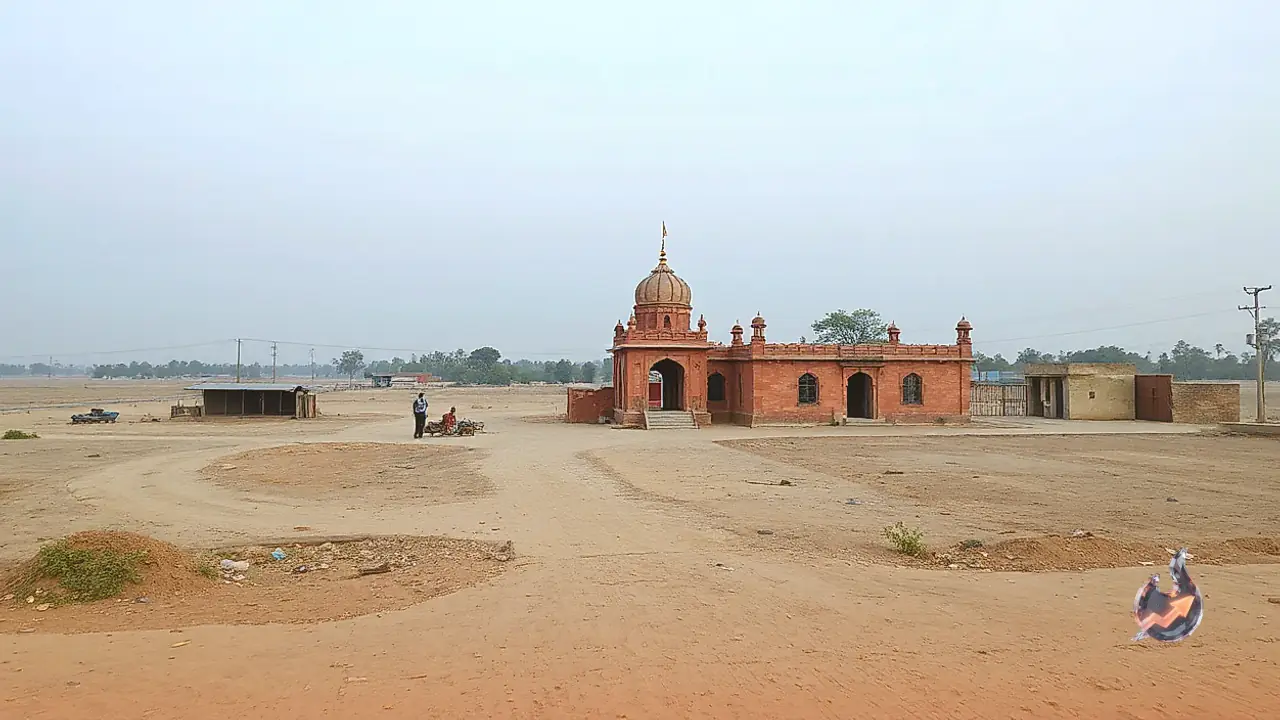
While various striking details regarding the film's extravagant production have previously circulated, including a one crore throne, a one-and-a-half crore chariot, and a twenty-four-carat gold Ravana court, the story behind Ranbir Kapoor's wearable armor remains uniquely compelling. This journey originates in Zenia Banglipara village, located within the Barpeta district of Assam. Master artisan Jaynal Abdin, alongside his team of fifteen skilled makers, undertook the assignment to construct these custom protective garments. The workflow began when local community organization Gram Unnayan representative Abdul Malik received the initial project inquiry and subsequently reached out to Jaynal to brief him on the requirements.
At the very beginning of the assignment, the craftsmen were provided with a design file containing detailed sketches and layout drawings. After thoroughly studying the visual specifications, Jaynal consulted with his team and concluded that the task was achievable. Soon after, a delegation of five or six individuals representing the film production unit visited the village in person. Among them, a team member named Sagar stayed behind on-site to assist the local makers with precise measurements and necessary design adjustments. The primary challenge throughout this developmental phase was engineering an armor piece flexible enough to allow the lead actor to perform demanding physical action sequences without restriction.
During the initial phase, the artisans constructed a sample utilizing pure cane materials. However, this early prototype presented notable fitting issues around the neck and shoulder regions. The production unit marked the necessary corrections directly onto the piece and sent it back to the workshop for redesign. The makers incorporated the requested adjustments and subsequently tested the adjusted garment on Ranbir Kapoor himself. Yet this fitting revealed a new obstacle, as the rigid nature of pure cane made the armor uncomfortably stiff, restricting the actor's natural limb movement and placing excessive strain on his neck and shoulders.
Jaynal explained that the actor found the initial armor exceptionally rigid and confining. Consequently, the production team approached the workshop to request alternative material suggestions, noting that the makers could utilize any suitable substance provided to them. Following this discussion, the unit supplied black and green rubber materials. However, weaving solely with rubber proved impractical. To solve this obstacle, Jaynal consulted with costume designer Ajay, who proposed combining cane and rubber in equal measure. The costume designer welcomed the hybrid concept, prompting the creation of a fresh sample based on this innovative technique. Once this new approach received formal approval, the team proceeded with production.
Jaynal noted that production demands fluctuated constantly, with requests ranging from eight to ten pieces at a time, requiring the workshop to fulfill urgent requirements according to shooting schedules. Over the span of roughly three and a half years, the collective crafted between thirty and thirty-five individual armor pieces. On numerous occasions, Mumbai-based shooting schedules created an immediate demand for the completed gear. Under these tight deadlines, the finished jackets were transported swiftly from Barpeta to the Guwahati airport. Jaynal was provided with a specific contact number at the airport, where he simply handed over the consignment to the designated individual, receiving confirmation from the film unit within two to three hours.
Throughout this lengthy collaborative effort, the village craftsmen remained entirely unaware that their work was intended for the Ramayana film production. The studio representatives informed them only that the items were required for a commercial motion picture shoot, strictly binding the makers to confidentiality agreements regarding the project's identity. Jaynal shared that only after the production made its official public debut did he realize his workshop had contributed directly to the Ramayana universe.
Although he has not yet viewed the completed film, he remains genuinely enthusiastic about watching it on screen. He expressed immense pride in witnessing his handiwork brought to life through cinema. This sense of achievement extends beyond Jaynal alone, as he feels a profound pride on behalf of his entire team and the wider village community. He believes this recognition elevates not just fifteen individual craftsmen, but the entire region, as traditional artisanal skills nurtured in a quiet corner of the country found their way onto the global cinematic stage.