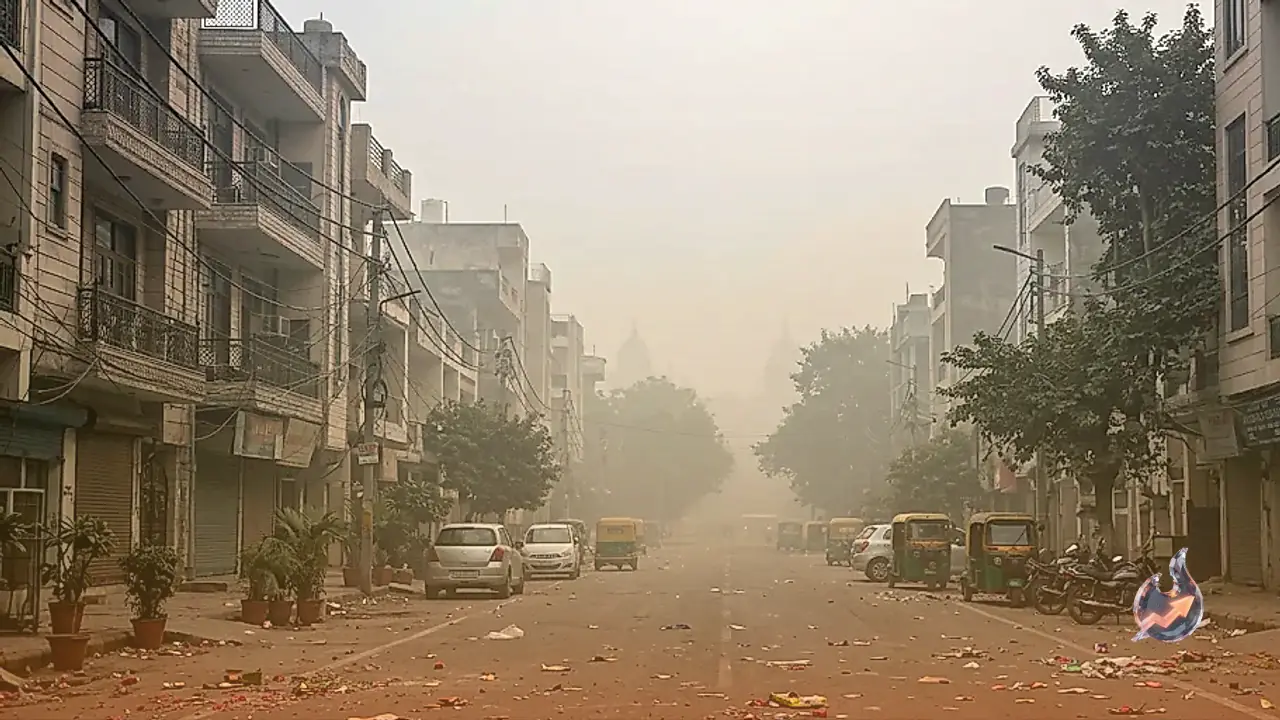





















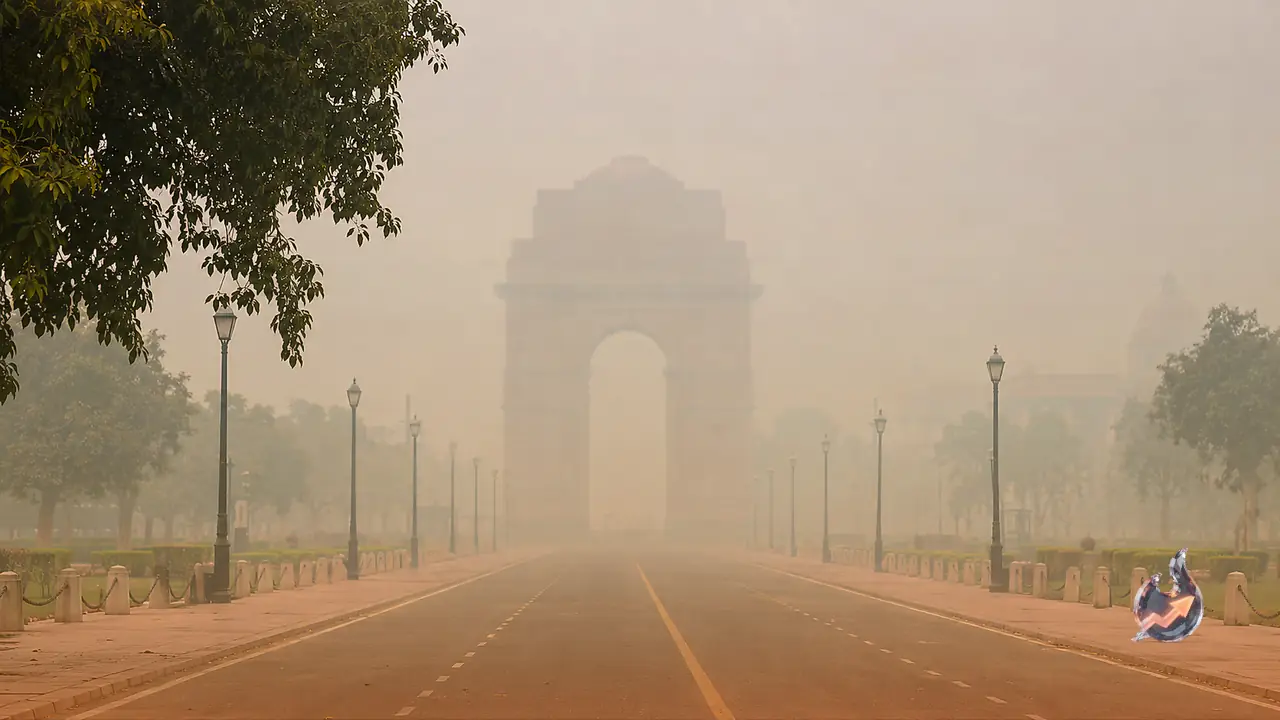

Following the festivities of Diwali, the air quality in the national capital of Delhi has deteriorated significantly, shrouding several areas in a thick blanket of smog and haze during the early morning hours. According to data released by the Central Pollution Control Board, the Air Quality Index was recorded at 368 at seven in the morning, placing it firmly in the very poor category. This hazardous pollution level is causing widespread discomfort and health complications for residents. Consequently, questions are being raised about the necessary precautions people must take during such severe conditions. Dr. Ravi Shekhar Jha, director and unit head of pulmonology at Fortis Faridabad, outlines the vital measures individuals should follow to navigate this toxic air safely.
Impact of Hazardous AQI on Human Health
Poor air quality exerts a direct and detrimental effect on our respiratory system and lungs. Microscopic pollutants suspended in the air, such as PM2.5 and PM10, can easily penetrate deep into the lungs through normal breathing, triggering inflammation, breathing difficulties, and various other respiratory complications. Prolonged and continuous exposure to heavily polluted air significantly elevates the risk of developing asthma, chronic obstructive pulmonary disease, and other severe pulmonary ailments.
Essential Precautions to Protect Yourself
According to medical experts, the most crucial precaution during hazardous AQI conditions is for people to avoid stepping out of their homes unnecessarily. This restriction applies particularly to the morning and evening hours when pollution concentration levels tend to peak. Activities like morning walks, jogging, cycling, and outdoor exercise should be temporarily suspended. If venturing outdoors is absolutely unavoidable, individuals must wear a well-fitted N95 or N99 respirator mask. Ordinary cloth masks or standard surgical masks fail to provide adequate protection against fine microscopic pollutants.
Safeguarding Indoor Air Quality
Mitigating air pollution risks inside residential spaces is equally important. Keep doors and windows firmly shut, especially during times when outdoor air quality reaches extremely poor levels. Households can utilize air purifiers equipped with HEPA filters to maintain cleaner indoor air. When dusting or cleaning floors, opt for a wet cloth or mop instead of dry brooms to prevent settled dust from becoming airborne. Furthermore, strictly avoid burning incense sticks, mosquito coils, candles, and any other smoke-generating items indoors.
Vulnerable Groups and When to See a Doctor
Children, the elderly, pregnant women, and individuals suffering from preexisting asthma or cardiovascular conditions must exercise extreme caution. Maintain proper hydration by drinking adequate water and consume a well-balanced diet, though it must be noted that simply drinking water or eating specific foods cannot neutralize the harmful effects of pollution. If you experience prominent symptoms such as shortness of breath, chest tightness, persistent coughing, wheezing, or severe burning sensations in the eyes, do not ignore these warning signs and consult a doctor immediately.