

















In the vast history of cinema, certain compositions are crafted with such timeless appeal that they refuse to fade away with the passage of time. Four decades ago, a soulful romantic track echoed across movie theaters and instantly caught the public imagination, yet nobody could have foreseen its eventual transformation. A song originally meant to express the tender agony of romantic separation was destined to be repurposed decades later as a haunting backdrop for death, grief, and bloodshed.
The story of this legendary track begins in 1983 when producer and director Rajiv Mehra introduced a romantic drama titled Ek Jaan Hain Hum. The project marked the acting debut of Rajiv Kapoor from the prominent Kapoor family, alongside newcomer actress Divya Rana. The star-studded cast also featured veteran performers like Shammi Kapoor, Tanuja, and Pran. Running for two hours and thirty-one minutes, the movie relied on musical compositions created by a young Anu Malik, while the memorable lyrics were penned by veteran lyricist Anand Bakshi.
While several tracks from the album received appreciation, one specific song swept the entire nation off its feet, titled 'Yaad Teri Aayegi, Mujhe Bada Sataayegi'. Delivered in the deep and resonant voice of playback singer Shabbir Kumar, the track struck a powerful chord. In the early 1980s, Shabbir Kumar's vocal style had become synonymous with heartbreak and melancholy. The sheer intensity with which the pain of separation was captured made it a permanent fixture on radio stations and cassette players, cementing it as the biggest chartbuster of 1983. In the narrative, Rajiv Kapoor portrayed Vikram Saxena and Divya Rana played Seema Singh, supported by Shammi Kapoor and Pran as their respective fathers.
As time marched forward, the innocent romance of the eighties gradually gave way to the gritty realism of modern cinema. However, in 2012, director Anurag Kashyap released his cult classic Gangs of Wasseypur 2. Set in a ruthless world defined by bullets, vengeance, and gang warfare, the narrative required a deeply sensitive and tragic sequence. To score this pivotal moment, Kashyap made the bold creative decision to revive the 27-year-old romantic hit.
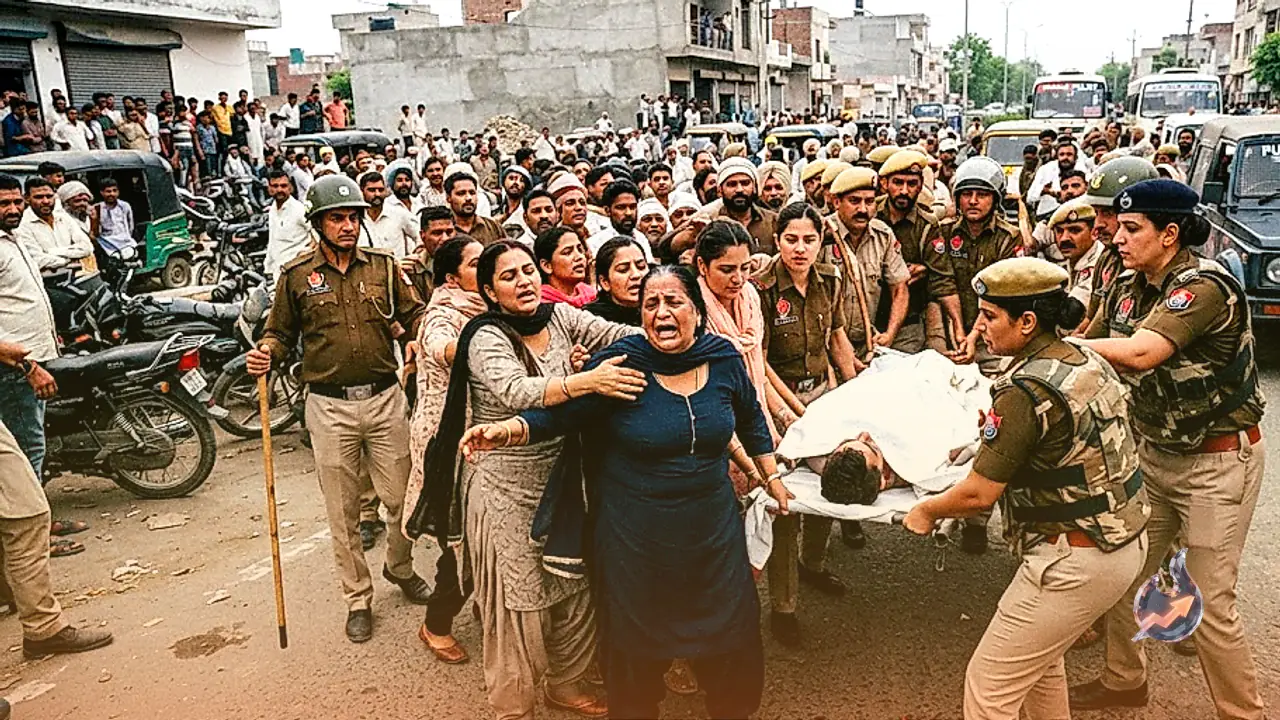
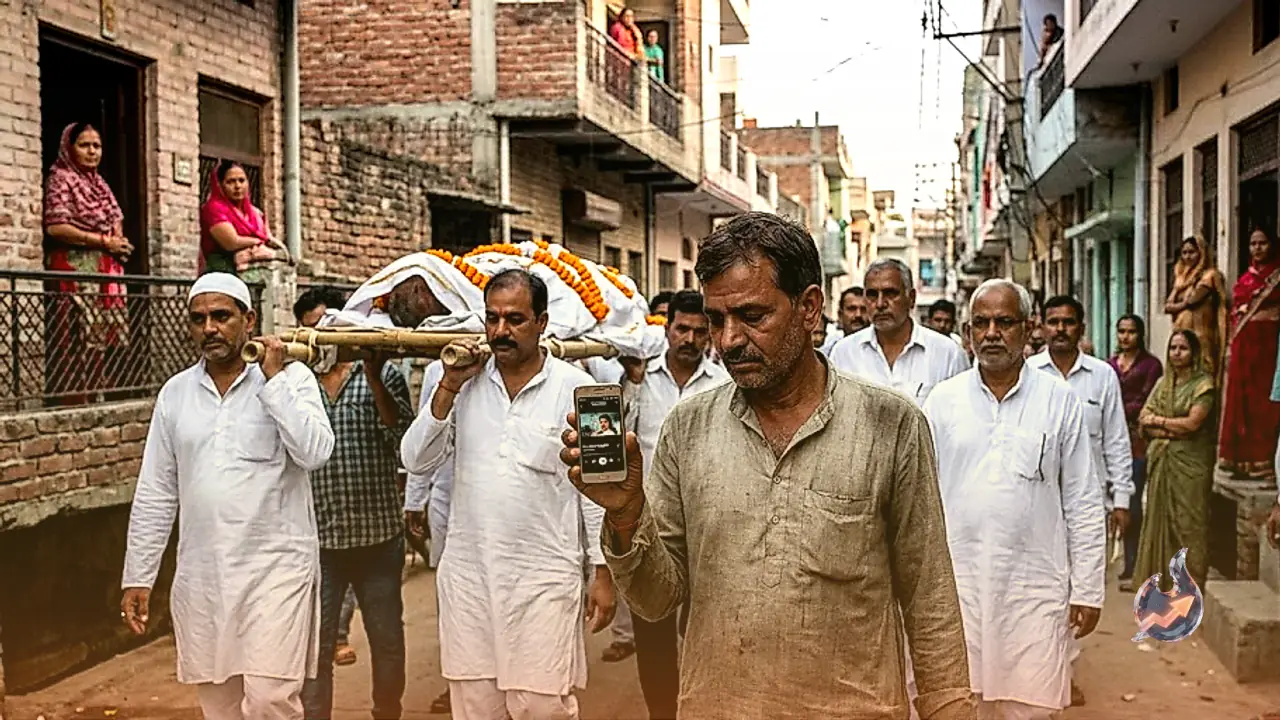
Gangs of Wasseypur remains celebrated for its raw storytelling and unforgettable characters. In the second installment, the funeral sequence of Sardar Khan, played by Manoj Bajpayee, stands out for an entirely unconventional reason. Amidst an atmosphere of profound grief, the deployment of the cheerful 1983 melody introduced a stark, jarring contrast that made the scene both eerie and fascinating. Yashpal Sharma's dramatic rendition in the background added a layer to the sequence that left audiences stunned.
A composition originally recorded to convey the sorrow of two estranged lovers suddenly transformed into an emblem of gangland mourning and tragic loss. This audacious cinematic experiment defied conventional filmmaking norms, where funeral scenes are typically backed by somber dirges. Instead, the unexpected use of a classic romantic ballad brought a chilling stillness to the procession, proving once again that great music transcends its original context and can redefine any human emotion.